
Summary
Private label gummy manufacturing typically costs between $0.05 and $0.25 per unit, with total project expenses ranging from $5,000 to over $50,000 depending on order volume, formulation complexity, and packaging requirements. This guide breaks down every cost component, from raw materials to compliance, to help B2B buyers make informed sourcing decisions.
Definition
Private label gummy manufacturing cost refers to the total expenditure a brand incurs when outsourcing the production of gummy supplements under its own brand name, encompassing raw materials, formulation development, tooling, production runs, quality testing, packaging, and regulatory compliance fees charged by a contract manufacturer.
Core Cost Components
1. Raw Materials and Formulation
Raw materials account for roughly 30 to 50 percent of the per-unit cost. Base ingredients include gelling agents (pectin or gelatin), sweeteners, flavors, colors, and active ingredients such as vitamins, minerals, or botanical extracts. Premium actives like CoQ10, NMN, or HMOs significantly increase material costs. A basic vitamin C gummy formulation costs approximately $0.02 to $0.05 per unit in materials, while a functional gummy containing high-value compounds can reach $0.10 to $0.18 per unit.
2. Tooling and Mold Fees
Custom gummy molds represent a one-time upfront cost, typically ranging from $500 to $3,000 per mold set. The price depends on the gummy shape, cavity count, and mold material. Standard shapes such as bears or circles cost less than bespoke designs. This fee is amortized over production volume, making it negligible on large orders but significant on small batches when you make gummies for the first time.
3. Production and Labor
Production costs cover the actual manufacturing process, including cooking, depositing, drying, and packaging labor. These costs are closely tied to Minimum Order Quantity (MOQ). Most contract manufacturers set MOQs between 50,000 and 200,000 units. At a 100,000-unit order, production labor typically adds $0.01 to $0.04 per unit. Smaller runs below 50,000 units carry a higher per-unit production premium.
4. Quality Control and Testing
Third-party lab testing for potency, heavy metals, microbes, and stability is a non-negotiable cost in regulated markets. Basic panel testing costs $300 to $800 per batch. Full panel testing with stability studies over 6 to 12 months can cost $2,000 to $8,000. Per-unit testing cost generally falls between $0.005 and $0.02 depending on batch size and test scope.
5. Packaging
Packaging costs vary widely based on format and customization level. Stock bottles with a standard label may cost $0.03 to $0.08 per unit. Custom-shaped bottles, holographic labels, or specialized child-resistant packaging can push costs to $0.15 to $0.30 per unit. Pouch packaging tends to be more cost-effective than rigid containers, typically ranging from $0.02 to $0.06 per unit.
6. Compliance and Certification
Regulatory compliance costs include facility audits, certificate renewals, and documentation preparation. For brands selling in the United States, FDA compliance and cGMP adherence are mandatory. Additional certifications such as HALAL, KOSHER, or organic add $1,000 to $5,000 in annual or per-project fees. These costs are usually absorbed into the per-unit pricing by the manufacturer.
Technical Parameter Table: Cost Breakdown by Order Volume
| Cost Component | 50,000 Units | 100,000 Units | 500,000 Units | 1,000,000 Units |
|---|---|---|---|---|
| Raw Materials (per unit) | $0.04 – $0.18 | $0.03 – $0.15 | $0.02 – $0.12 | $0.02 – $0.10 |
| Tooling/Mold (one-time) | $1,000 – $3,000 | $1,000 – $3,000 | $500 – $2,500 | $500 – $2,000 |
| Production Labor (per unit) | $0.03 – $0.06 | $0.02 – $0.04 | $0.01 – $0.03 | $0.01 – $0.02 |
| QC/Testing (per batch) | $500 – $2,000 | $500 – $2,000 | $500 – $2,000 | $500 – $2,000 |
| Packaging (per unit) | $0.05 – $0.25 | $0.04 – $0.20 | $0.03 – $0.15 | $0.03 – $0.12 |
| Estimated Total Per Unit | $0.12 – $0.55 | $0.09 – $0.43 | $0.06 – $0.32 | $0.05 – $0.25 |
Practical Insights
Production Considerations
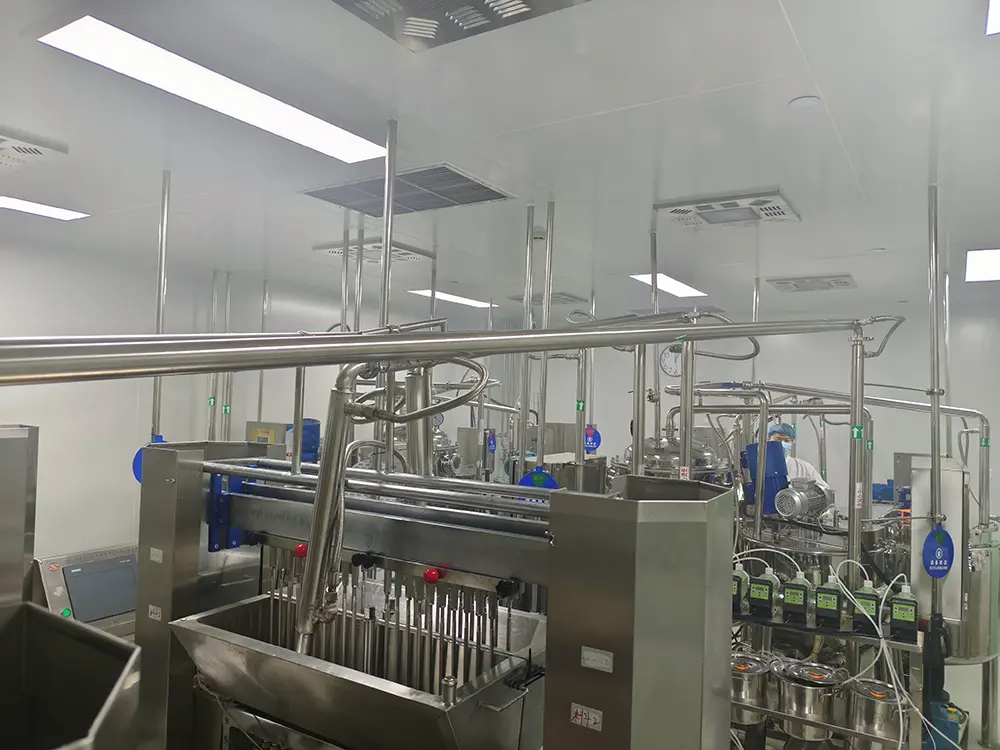
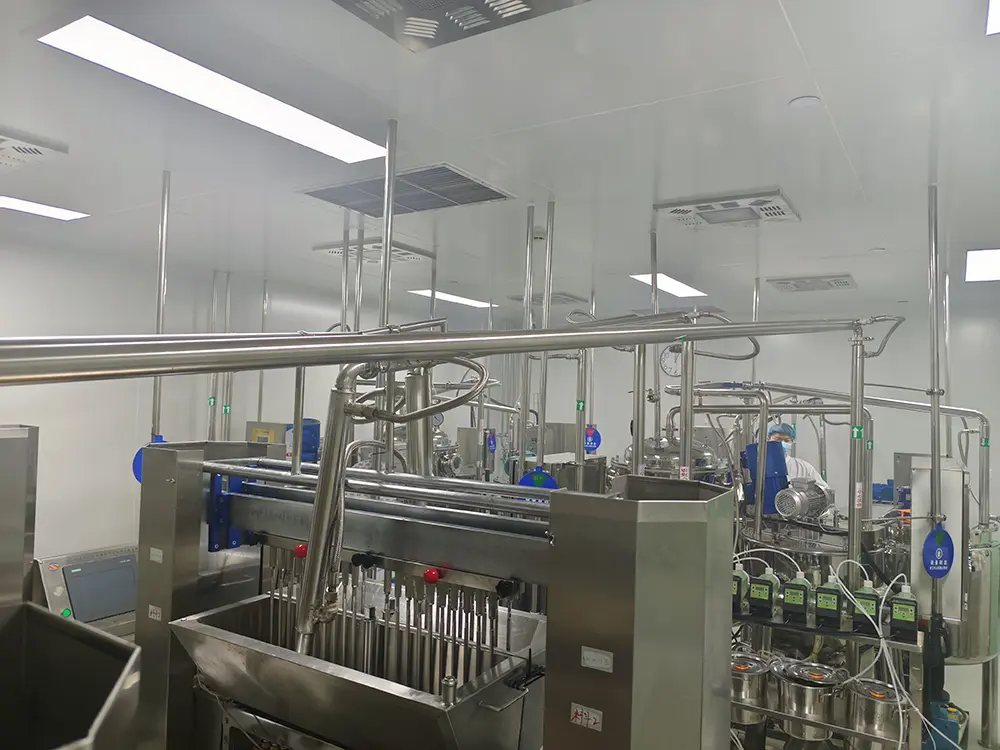
Gummy production requires precise temperature and humidity control during cooking and drying. Pectin-based gummies generally cost 10 to 20 percent more than gelatin-based alternatives but command higher retail prices due to vegan and halal positioning. When selecting a Gummy Factory, verify that the facility operates multiple production lines capable of handling both pectin and gelatin formulations without cross-contamination. Production lead times typically range from 30 to 60 days after sample approval, with an additional 7 to 14 days for shipping depending on destination.
Quality Control
Effective quality control in gummy manufacturing extends beyond finished product testing. In-process checks at the cooking, depositing, and drying stages reduce batch failure rates. A qualified Gummy Factory should provide real-time monitoring data including Brix levels, pH values, and weight consistency per gummy. Brands should request CoA (Certificate of Analysis) for every batch and verify that the manufacturer maintains a documented recall procedure. Testing for degradation of heat-sensitive actives, such as probiotics or certain vitamins, is particularly critical in gummy formats due to the high-temperature production environment.
Scalability
Cost per unit decreases significantly as order volume increases, but scalability must be evaluated beyond simple price breaks. A manufacturer capable of producing 100,000 units may lack the capacity to scale to 5 million units within required timelines. Assess the supplier’s annual output capacity, number of production lines, and historical fulfillment of large-scale orders. Private label gummies produced at scale also benefit from stabilized supply chain pricing for raw materials, which reduces the risk of cost fluctuations between production runs.
Regulatory Compliance
Compliance requirements vary by target market. The United States requires adherence to FDA cGMP regulations under 21 CFR Part 111 for dietary supplements. The European Union classifies gummies under food supplements with specific labeling requirements per EU Directive 2002/46/EC. Markets such as Southeast Asia and the Middle East impose additional registration and import permit requirements. Working with a manufacturer holding multiple international certifications, including ISO 22000, HACCP, and BRC, substantially reduces the compliance burden on the brand owner.
B2B Decision Framework
Supplier Selection Criteria
When evaluating manufacturers for private label gummies, B2B buyers should assess the following dimensions: (1) Certifications held and their scope, (2) Minimum order quantity and whether it aligns with your launch budget, (3) In-house R&D capability for custom formulations, (4) Raw material sourcing transparency, particularly for high-value active ingredients, (5) Track record with brands in your target market, and (6) Responsiveness during the initial inquiry phase as an indicator of ongoing communication quality.
Cost vs. Value Analysis
The lowest per-unit quote does not always represent the best value. A manufacturer offering $0.08 per unit without documented quality systems may expose your brand to regulatory risk, product recalls, and reputational damage that far exceed any short-term savings. Conversely, a $0.15 per unit quote from a fully certified manufacturer with proven export experience and in-house testing provides measurable risk mitigation. B2B buyers should calculate total landed cost including testing, compliance documentation, and potential rework or rejection rates when comparing quotes.
Contract Structure Essentials
A well-structured manufacturing agreement should clearly define: unit pricing and volume-based price tiers, payment terms and milestones, lead time guarantees with penalty clauses, intellectual property ownership for custom formulations, quality rejection criteria and remediation procedures, minimum and maximum order commitments, and contract duration with renewal terms. Ambiguity in any of these areas creates operational risk and potential disputes.
Sample and Pilot Run Strategy
Before committing to a full production run, request pre-production samples for sensory evaluation (taste, texture, appearance) and laboratory testing for active ingredient potency. A pilot run of 5,000 to 10,000 units allows you to validate the entire production-to-packaging workflow, identify potential issues with label application or bottle fit, and generate initial market feedback. Pilot run costs are higher per unit but provide critical risk reduction before a full capital commitment.
Conclusion
Private label gummy manufacturing costs are determined by the interplay of raw material selection, order volume, formulation complexity, packaging specifications, and compliance requirements. Per-unit costs typically range from $0.05 at high volumes with basic formulations to $0.55 at lower volumes with premium active ingredients. B2B buyers achieve the most favorable cost structure by aligning order volumes with realistic demand forecasts, selecting certified manufacturers with demonstrated scalability, and investing in thorough sample and pilot testing before full production. Prioritizing documented quality systems over the lowest quote protects brand equity and long-term profitability.
FAQ
What is the minimum order quantity for private label gummies?
Most manufacturers set MOQs between 50,000 and 200,000 units. Some facilities accept orders as low as 10,000 units for first-time clients, though the per-unit cost will be significantly higher at smaller volumes.
How long does it take to produce a private label gummy product from start to finish?
The full process, including formulation development, sample approval, production, testing, and packaging, typically takes 60 to 120 days. Reorder production after initial setup generally requires 30 to 45 days.
Can I use my own custom gummy shape?
Yes. Custom molds can be fabricated for bespoke gummy shapes. Expect a one-time tooling fee of $500 to $3,000 and an additional 10 to 20 days added to the project timeline for mold design and fabrication.
Are pectin gummies more expensive than gelatin gummies?
Yes. Pectin raw materials cost approximately 10 to 20 percent more than gelatin, and pectin production requires more precise process control. However, pectin gummies enable vegan, vegetarian, and halal label claims, which often justify the premium at retail.
What certifications should a gummy manufacturer have?
Essential certifications include cGMP, ISO 22000, HACCP, and FDA registration for the U.S. market. Additional certifications such as HALAL, KOSHER, BRC, and FSSC 22000 provide broader market access and demonstrate higher quality management maturity.
Does the manufacturer provide formulation development, or do I need my own recipe?
Most private label manufacturers offer in-house R&D and can develop formulations based on your specifications. Some brands provide their own recipes, but the manufacturer must still conduct process optimization to adapt the formulation to their specific production equipment and conditions.
This article is provided by Gothink Biology, a globally recognized dietary supplement manufacturer, offering comprehensive OEM, ODM, CMO, and CDMO services for health and wellness brands worldwide.
About Gothink Biology
Shenzhen Gothink Biology Technology Co., Ltd. is a global leading nutrition supplement supplier and dietary supplement manufacturer specializing in OEM, ODM, CMO, and CDMO services for health and wellness brands worldwide. With extensive industry expertise and international certifications including ISO9001, ISO22000, HACCP, FDA, HALAL, GMP, KOSHER, BRC, FSSC 22000, PJPH, and Vegan, we deliver high-quality custom formulation, contract manufacturing, and wholesale solutions for B2B clients across global markets.
Core Competencies:
- World-Class Scientific Leadership: Led by top scientists in Pharmaceutical and Biological Sciences trained in the US and UK, we bring cutting-edge expertise to every stage of innovation and development.
- Exceptional R&D Capacity: With over 2,000 customized formulations developed annually, our robust research pipeline enables rapid, science-backed product innovation tailored to market needs.
- Comprehensive Quality Certifications: Our facilities and products meet the highest global standards, certified by ISO 9001, ISO 22000, GMP, SGS, NSF, CQC, Halal, and Kosher. We maintain a rigorous food safety management system and provide full third-party testing reports for complete traceability and trust.
- Reliable Global Supply Chain: We have integrated a robust international supply network to ensure stable, large-scale delivery of premium raw materials. These include vitamins, minerals, natural phytochemical extracts, and nutrients produced through biomanufacturing, all offered with consistent availability and short lead times.
For more information, please visit our official website: https://gothinkbio.com/ or contact our expert team.