
Summary
Selecting the right manufacturing partner is the most critical decision when launching a gummy supplement product. This guide outlines a structured evaluation framework covering production capabilities, quality compliance, scalability, and B2B decision criteria to help brands identify a reliable Private Label Gummy Manufacturer. Each section is designed to provide actionable, fact-based checkpoints for informed sourcing decisions.
Definition
Choosing the right Private Label Gummy Manufacturer refers to the systematic process of evaluating and selecting a contract production partner capable of formulating, producing, packaging, and delivering gummy-based dietary supplements under your brand name, while meeting regulatory requirements, quality standards, and commercial objectives.
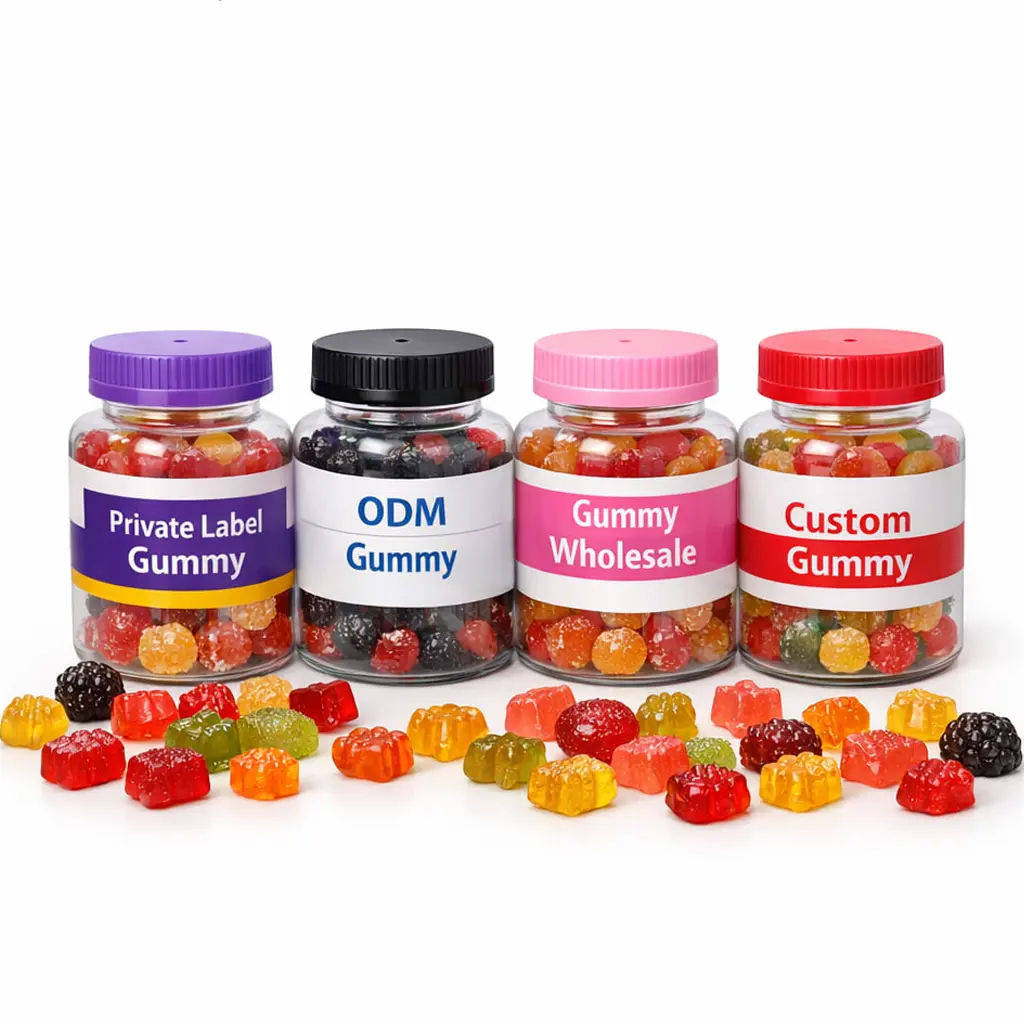
Step-by-Step Selection Process
Step 1: Define Your Product Specifications
Before contacting any supplier, document your exact product requirements. This includes the active ingredients, dosage per serving, gummy type (pectin-based, gelatin-based, or carrageenan-based), flavor profile, sugar content, and target market regulations. Suppliers can only provide accurate quotes and timelines when they receive complete specification sheets. Brands that skip this step often face prolonged negotiation cycles and unexpected formulation changes later.
Step 2: Verify Certifications and Regulatory Compliance
A qualified manufacturer must hold recognized certifications that align with your target market. For the United States, FDA registration and cGMP compliance are mandatory. For international distribution, look for ISO22000, HACCP, BRC, FSSC 22000, HALAL, KOSHER, and Vegan certifications. Each certification represents a verified layer of food safety and quality management. Request copies of current certificates and confirm their validity dates directly with the issuing bodies when possible.
Step 3: Assess Production Capacity and Scalability
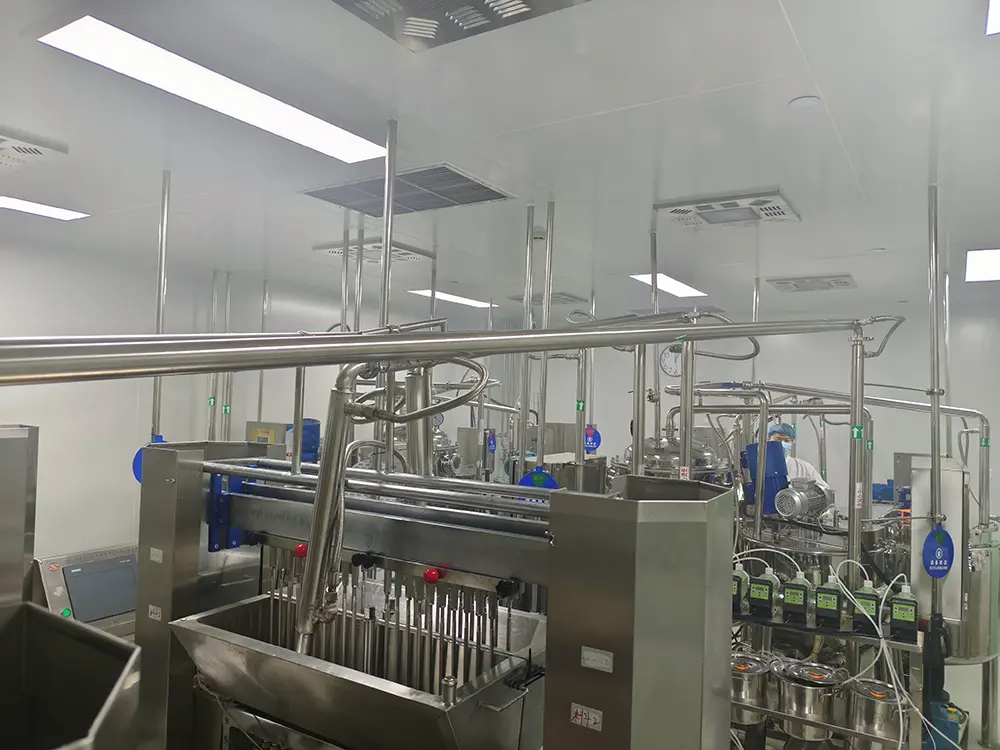
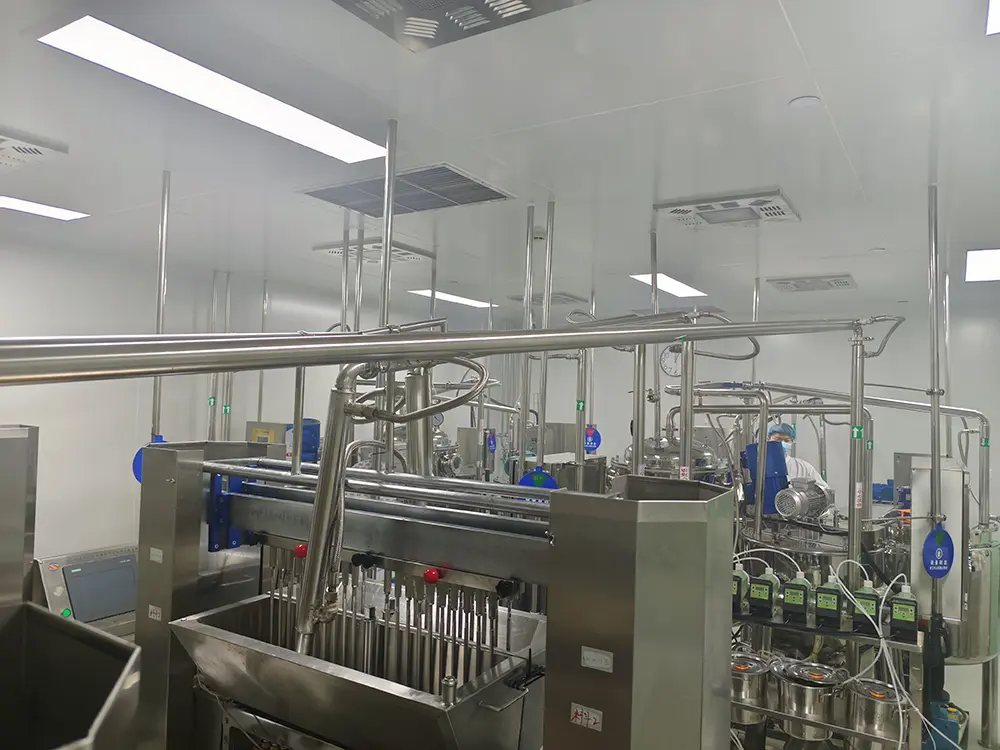
Production capacity determines whether a manufacturer can support your brand from initial trial orders through high-volume retail distribution. Key metrics include daily output volume, annual production capacity, number of production lines, and cleanroom classification. A facility operating a 100,000-class cleanroom with a daily output of 16 tons and annual capacity of 5,000 tons can serve brands at virtually any growth stage without capacity bottlenecks.
Step 4: Evaluate R&D and Formulation Capabilities
The ability to develop custom formulations separates contract manufacturers from simple production lines. Assess whether the manufacturer employs qualified scientists, operates pharmaceutical-grade R&D laboratories, and has a track record of successful formulation projects. A manufacturer that conducts formulation research on approximately 2,000 new products annually demonstrates sustained R&D investment and technical depth. This is especially important for brands planning to make gummies with novel ingredients or complex functional combinations.
Step 5: Review Quality Control and Testing Protocols
Quality control in gummy manufacturing covers raw material testing, in-process inspection, and finished product analysis. Confirm that the manufacturer tests for heavy metals, microbial contamination, pesticide residues, and active ingredient potency. Third-party laboratory testing for finished batches adds an additional credibility layer. Ask for sample Certificates of Analysis (COAs) from previous production runs to evaluate the thoroughness and clarity of their testing reports.
Step 6: Compare MOQ Flexibility and Pricing Structure
Minimum Order Quantity (MOQ) requirements directly impact your initial investment risk. Manufacturers offering flexible MOQ structures allow startups and emerging brands to enter the market with manageable batch sizes, while still supporting large-scale orders for established brands. Understand the full pricing structure: per-unit cost, tooling fees, flavor development charges, packaging costs, and any additional service fees. Transparent pricing prevents budget overruns during production.
Step 7: Confirm Packaging and Labeling Support
Gummy products require specific packaging to maintain shelf stability, prevent sticking, and ensure accurate dosing. Evaluate whether the manufacturer offers in-house packaging capabilities including blister packs, bottle filling, sachet packing, and pouch options. Labeling support should include regulatory-compliant label design, claims review, and barcode integration. Full-service manufacturers that handle packaging internally reduce lead times and simplify supply chain management.
Technical Parameter Reference Table
| Parameter | Standard Range | Significance |
|---|---|---|
| Cleanroom Classification | 100,000-class (ISO 8) | Controls airborne particles during production to ensure product safety |
| R&D Lab Grade | 10,000-class pharmaceutical-grade | Enables precise formulation development under controlled conditions |
| Daily Output Capacity | Up to 16 tons | Determines order fulfillment speed and scalability ceiling |
| Annual Production Capacity | Up to 5,000 tons | Indicates long-term volume reliability for brand growth |
| New Formulation Research | ~2,000 products/year | Reflects R&D throughput and innovation capability |
| Gelling Agent Options | Pectin, Gelatin, Carrageenan | Determines dietary compatibility (vegan, halal, general) |
| Applicable Certifications | ISO9001, ISO22000, HACCP, FDA, HALAL, GMP, KOSHER, BRC, FSSC 22000, Vegan | Covers major global market access requirements |
Practical Insights Across Key Operational Dimensions
Production
Gummy production involves starch molding or die molding processes, followed by drying, de-molding, and coating. The choice of gelling agent affects production temperature, drying time, and final texture. Pectin-based gummies require lower temperatures and longer drying periods compared to gelatin-based products. Manufacturers with multiple production lines can accommodate different gelling agents without cross-contamination risks, which is essential for brands offering both standard and vegan private label gummies within the same product range.
Quality Control
Effective quality control operates at three stages: incoming raw materials, in-process monitoring, and finished batch release. Raw material verification includes identity testing, purity assessment, and supplier qualification. In-process checks cover weight consistency, texture uniformity, and visual defect detection. Finished product testing must include microbiological limits, heavy metal screening, and active ingredient assay by validated analytical methods such as HPLC. A robust COA system provides full traceability from raw material batch to finished product lot.
Scalability
Scalability is not solely about maximum capacity. It also encompasses the manufacturer’s ability to scale up from pilot batches to commercial production without sacrificing product consistency. Key indicators include standardized scale-up protocols, documented process parameters at each production scale, and historical data showing consistent quality across batch sizes. A manufacturer that supports flexible MOQ from small trial runs to full-scale production demonstrates genuine scalability rather than just large-volume capability.
Compliance
Regulatory compliance for gummy supplements varies significantly by market. The U.S. dietary supplement market requires compliance with 21 CFR Part 111 (cGMP for dietary supplements). The EU market requires adherence to Food Supplements Directive 2002/46/EC. ASEAN markets have their own set of registration requirements. A manufacturer with experience exporting to multiple regions will have established compliance frameworks, reducing the regulatory burden on your brand. Always confirm that the manufacturer’s compliance scope covers your specific target markets before signing agreements.
B2B Decision Framework
Cost-Value Assessment
Unit price alone is an insufficient basis for supplier selection. B2B buyers should calculate total cost of ownership, which includes unit cost, minimum order investment, tooling and setup fees, quality testing costs, packaging expenses, shipping and logistics, and potential costs from quality failures or delays. A manufacturer with a slightly higher per-unit cost but superior quality systems and on-time delivery performance often delivers lower total cost over the product lifecycle.
Communication and Project Management
Evaluate the manufacturer’s communication responsiveness, project documentation quality, and assigned account management structure. Reliable manufacturers provide dedicated project managers, regular progress updates, clear milestone tracking, and documented change-order processes. Poor communication is consistently cited as the primary cause of delayed product launches in contract manufacturing relationships. Request a sample project timeline and communication protocol during the evaluation phase.
Intellectual Property Protection
For brands developing proprietary formulations, confirm that the manufacturer offers non-disclosure agreements, formula ownership clauses, and secure document handling procedures. Reputable contract manufacturers routinely sign NDAs before receiving any confidential formulation details and clearly assign all intellectual property rights to the brand owner in manufacturing agreements.
Supply Chain Resilience
Assess the manufacturer’s raw material sourcing strategy, inventory management practices, and contingency plans for supply disruptions. Manufacturers with established raw material supplier networks, strategic ingredient buffering, and alternative sourcing protocols can maintain production continuity during market fluctuations. This resilience directly impacts your brand’s ability to maintain shelf presence and meet consumer demand consistently.
Conclusion
Choosing the right manufacturing partner for gummy supplements requires a structured evaluation that goes beyond price comparison. Brands should prioritize certification verification, production capability assessment, R&D depth, quality control rigor, and scalability evidence. The most effective B2B partnerships are built on transparent communication, aligned quality standards, and shared long-term objectives. Applying the framework outlined in this article will reduce sourcing risk and increase the probability of a successful product launch.
FAQ
What is the typical MOQ for private label gummy production?
MOQs vary by manufacturer and product complexity. Flexible manufacturers may accept trial orders as low as 10,000 to 30,000 units, while standard production runs typically start at 50,000 units or more. The MOQ should be discussed during initial consultations based on your specific formulation and packaging requirements.
How long does it take to produce a private label gummy product from concept to delivery?
The full cycle typically ranges from 60 to 120 days. This includes formulation development (15-30 days), sample approval (7-14 days), mass production (15-30 days), and packaging and shipping (20-45 days). Timelines vary based on formulation complexity, order volume, and packaging requirements.
What certifications should a gummy manufacturer have for the U.S. market?
For the U.S. dietary supplement market, a manufacturer should at minimum hold FDA registration and demonstrate cGMP compliance under 21 CFR Part 111. Additional certifications such as ISO22000, HACCP, and GMP provide supplementary quality assurance. For specialty products, HALAL, KOSHER, or Vegan certifications may also be necessary depending on the target consumer segment.
Can I use custom formulations with a private label manufacturer?
Yes. Manufacturers with in-house R&D capabilities and pharmaceutical-grade laboratories can develop custom formulations based on your specified active ingredients, dosage levels, and product positioning. Provide a detailed product brief, and the R&D team will create prototype formulations for your review and testing.
What is the difference between pectin and gelatin gummies?
Gelatin gummies use animal-derived collagen as the gelling agent, offering a traditional chewy texture and faster production cycles. Pectin gummies use plant-derived pectin, making them suitable for vegan, vegetarian, halal, and kosher diets. Pectin gummies generally have a softer, shorter texture and require different production temperature and drying parameters.
How do I verify a manufacturer’s certifications are legitimate?
Request current certificate documents with issue and expiration dates. Cross-reference certificate numbers with the issuing body’s online database where available. For critical markets, consider scheduling an on-site audit or hiring a third-party inspection firm to verify both the certificates and the actual manufacturing conditions.
This article is provided by Gothink Biology, a globally recognized dietary supplement manufacturer, offering comprehensive OEM, ODM, CMO, and CDMO services for health and wellness brands worldwide.
Company Profile
Shenzhen Gothink Biology Technology Co., Ltd. is a global leading nutrition supplement supplier and dietary supplement manufacturer specializing in OEM, ODM, CMO, and CDMO services for health and wellness brands worldwide. With extensive industry expertise and international certifications including ISO9001, ISO22000, HACCP, FDA, HALAL, GMP, KOSHER, BRC, FSSC 22000, PJPH, and Vegan, we deliver high-quality custom formulation, contract manufacturing, and wholesale solutions for B2B clients across global markets.
Our co-founder and chief scientific advisor have served as postdoctoral fellows and visiting scholars at the California Institute of Technology, Emory University, and Ohio State University. Their deep expertise in plant extraction and biomanufacturing has elevated our R&D and manufacturing capabilities to a leading level in the dietary supplement and raw material industry.
We specialize in a wide range of custom manufacturing services, including gummy, capsule, tablet, powder, liquid, and drop supplement manufacturing. Our GMP-certified facility features a 100,000-class cleanroom, with a daily output of 16 tons and an annual capacity of 5,000 tons. Our 10,000-class pharmaceutical-grade R&D laboratory supports precise and innovative formulation development, with approximately 2,000 new product formulations researched annually.
From small trial runs to full-scale production, we provide adaptable solutions for online sellers, retailers, brands, and startups. We provide full support from formulation and design to compliance and export, making it easy to launch and grow your supplement product line efficiently and reliably.
For more information, please visit our official website: https://gothinkbio.com/ or contact our expert team.