
Abstract
This guide covers the end-to-end process of how to make creatine gummies, from raw material selection and formulation to cooking, molding, and quality testing. It is designed for brands, formulators, and procurement professionals seeking a clear, production-ready reference for scaling creatine gummy manufacturing.
Definition
How to make creatine gummies refers to the systematic process of combining creatine monohydrate with gelling agents, sweeteners, and flavoring compounds, then cooking, depositing, and cooling the mixture into chewable, accurately dosed gummy supplements suitable for commercial distribution.
Core Ingredients and Formulation Basics
Successful creatine gummy production starts with selecting the right raw materials. The following components form the foundation of any standard formulation:
Creatine Monohydrate: This is the active ingredient. Creatine monohydrate powder has a particle size range of 40–200 mesh for optimal suspension in the gummy base. Typical dosage per gummy is 1–3 grams.
Gelling Agents: Pectin and carrageenan are the most common choices. Pectin is preferred for vegan and plant-based formulations. Gelatin remains an option for non-vegan products and provides a firmer texture.
Sweeteners: Glucose syrup and sucrose are standard. For sugar-free or reduced-sugar variants, allulose, maltitol, or erythritol can be substituted, though they affect the cooking temperature and final texture.
Flavoring and Acidulants: Citric acid, malic acid, and natural fruit flavors mask the inherently bitter taste of creatine. The acid must be added post-cooking to avoid premature pectin degradation.
Step-by-Step Production Process
Step 1: Raw Material Preparation
Weigh all ingredients according to the formulation sheet. Sift the creatine monohydrate to remove clumps. Pre-mix the gelling agent with a small portion of sugar to prevent lumping during hydration. This pre-mixing step is critical when you make creatine gummies at scale, as undissolved pectin causes batch inconsistency.
Step 2: Hydration and Cooking
Dissolve the gelling agent-sugar premix in water at 60–70°C under continuous stirring. Add the remaining sweeteners and bring the mixture to 105–115°C depending on the target moisture content. The cooking phase reduces water activity to below 0.65, which is essential for shelf stability. Temperature and time must be tightly controlled; overheating degrades creatine, while undercooking results in sticky, unstable gummies.
Step 3: Creatine Incorporation
After cooking, cool the slurry to 70–80°C before adding creatine monohydrate. Adding creatine at higher temperatures risks partial degradation. Use a high-shear mixer to ensure uniform distribution. The goal is a homogenous slurry with no visible creatine sediment.
Step 4: Flavor and Acid Addition
Add flavors and acidulants at 60–65°C. Citric acid is typically added last because it lowers pH and can cause pectin to set prematurely if introduced at higher temperatures. The final pH of the slurry should fall between 3.2 and 3.8 for pectin-based gummies.
Step 5: Depositing and Molding
Pump the slurry into starch molds or silicone molds using a servo-driven depositing machine. Deposit weight accuracy should be within ±3% to ensure consistent creatine dosing per gummy. Starch molding is the industry standard for high-volume production. The filled molds proceed to a drying tunnel.
Step 6: Drying and Conditioning
Dry the gummies at 25–35°C with 30–45% relative humidity for 12–36 hours, depending on gummy size and target moisture content (final moisture should be 12–18%). After drying, condition the gummies in a climate-controlled room for 12–24 hours to equalize internal moisture distribution.
Step 7: Demolding, Defect Removal, and Packaging
Remove gummies from molds, separate them from starch, and inspect for visual defects. Apply an optional coating such as oil or sugar sanding. Package in moisture-barrier pouches or bottles with desiccant packs. Final product should be stored below 25°C and below 60% relative humidity.
Technical Parameter Table
| Parameter | Specification | Notes |
|---|---|---|
| Active Ingredient | Creatine Monohydrate (≥99% purity) | Creapure or equivalent grade recommended |
| Dosage per Gummy | 1–3 g | Dictates gummy size and deposit weight |
| Gelling Agent | Pectin (1.5–2.5%) or Gelatin (6–10%) | Pectin preferred for vegan positioning |
| Cooking Temperature | 105–115°C | Varies by Brix target and gelling system |
| Creatine Addition Temperature | ≤80°C | Prevents thermal degradation of creatine |
| Final pH | 3.2–3.8 | Critical for pectin gel strength |
| Final Moisture Content | 12–18% | Below 18% prevents microbial growth |
| Water Activity (aw) | ≤0.65 | Shelf-stable threshold |
| Deposit Weight Tolerance | ±3% | Ensures dosage consistency |
| Shelf Life | 18–24 months | Stored in sealed, moisture-barrier packaging |
Practical Insights
Production Considerations
Creatine is hygroscopic and has limited solubility in water (approximately 12 g/L at 20°C). When you make creatine gummies at production scale, maintaining suspension uniformity during the depositing phase is the most common technical challenge. Vertical mixing hoppers with slow agitation between deposits prevent sedimentation without incorporating excess air.
Quality Control
Each production batch should undergo testing for creatine content (HPLC method), moisture content, water activity, pH, microbial limits (total plate count, yeast, mold, E. coli, Salmonella), and heavy metals (lead, arsenic, cadmium, mercury). In-process controls include Brix measurement during cooking and weight checks every 15–30 minutes during depositing.
Scalability
Lab-scale formulations (1–5 kg batches) do not always translate directly to pilot or commercial scale (100–5,000 kg batches). Heat transfer rates, mixing shear, and cooling dynamics change significantly. A staged scale-up approach—lab to pilot (50–200 kg) to full production—is recommended to validate texture, dosing accuracy, and drying behavior at each tier.
Regulatory Compliance
In the United States, creatine gummies are regulated as dietary supplements under FDA 21 CFR Part 111. The manufacturing facility must be cGMP compliant. In the European Union, creatine is permitted under the Food Supplements Directive (2002/46/EC), but maximum permitted dosages vary by member state. Labeling must comply with local regulations, including allergen declarations and prohibited ingredient lists.
B2B Decision Guide: Choosing a Manufacturing Partner
Selecting the right creatine gummies manufacturer is a high-impact decision that directly affects product quality, time to market, and per-unit cost. The following criteria should guide the evaluation process:
Certification Portfolio: A qualified creatine gummies manufacturer should hold at minimum ISO 9001, ISO 22000, HACCP, and GMP certifications. Additional certifications such as FDA registration, HALAL, KOSHER, BRC, and FSSC 22000 indicate broader market access capability.
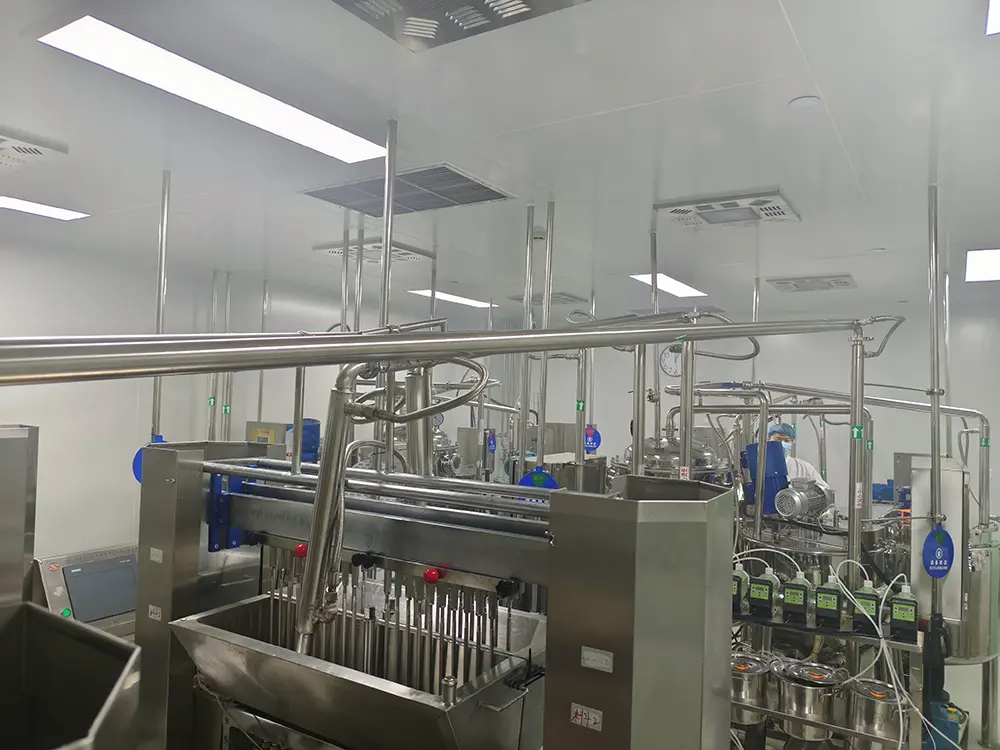
R&D Capability: The ability to develop and optimize formulations in-house reduces lead time and ensures intellectual property protection. A dedicated R&D laboratory with pharmaceutical-grade equipment (Class 10,000 cleanroom or better) is a strong indicator of formulation rigor.
Production Capacity: Daily output and annual capacity determine whether the manufacturer can support growth. A facility with a daily output of 16 tons and annual capacity of 5,000 tons can serve both emerging brands and established enterprises without bottleneck risk.
Flexibility on MOQ: Minimum order quantity requirements vary widely. Manufacturers that accommodate small trial runs alongside full-scale production provide strategic flexibility for brands testing new SKUs or entering new markets.
Turnkey Service Scope: Full-service providers covering formulation, design, manufacturing, packaging, and export logistics reduce vendor management complexity. This is especially relevant for brands pursuing private label creatine gummies, where speed from concept to shelf is a competitive advantage.
Quality Traceability: Batch-level traceability from raw material receipt to finished product dispatch is non-negotiable for regulatory compliance and recall readiness. Request documentation of the manufacturer’s traceability system during the qualification phase.
Conclusion
Producing creatine gummies at commercial scale requires precise control over formulation, cooking parameters, depositing accuracy, and drying conditions. The key technical challenges—creatine suspension uniformity, thermal degradation prevention, and moisture management—are solvable with proper equipment, validated processes, and experienced personnel. For brands seeking to enter or expand in the creatine gummy segment, partnering with a certified, full-service manufacturer provides the most reliable path to consistent product quality and regulatory compliance.
FAQ
Q: Can creatine gummies deliver the same effective dose as creatine powder?
A: Yes. A standard serving of 3–5 g of creatine monohydrate can be achieved by consuming 2–3 gummies, each containing 1–3 g of creatine. Dosage accuracy depends on manufacturing precision.
Q: Does the cooking process degrade creatine?
A: Creatine monohydrate begins to degrade at temperatures above 90–100°C when held for extended periods. Adding creatine after the cooking phase, when the slurry has cooled to 70–80°C, minimizes degradation risk.
Q: Are creatine gummies suitable for vegan consumers?
A: Vegan creatine gummies use pectin or carrageenan as the gelling agent instead of gelatin. Creatine monohydrate itself is synthetically produced and is vegan-compatible. The final product status depends on all ingredients and the manufacturing environment.
Q: What is the typical minimum order quantity for private label creatine gummies?
A: MOQ varies by manufacturer. Flexible suppliers may accept trial orders of 10,000–30,000 units, while standard production runs typically start at 50,000–100,000 units. Lower MOQs usually carry a higher per-unit cost.
Q: How should creatine gummies be stored to maintain potency?
A: Store in sealed, moisture-barrier packaging at temperatures below 25°C and relative humidity below 60%. Exposure to high humidity causes stickiness and may reduce shelf life. Under proper conditions, shelf life is 18–24 months.
Q: Is it more cost-effective to produce creatine gummies in-house or outsource?
A: For most brands, outsourcing to a specialized creatine gummies manufacturer is more cost-effective. In-house production requires significant capital investment in depositing equipment, drying tunnels, cleanroom infrastructure, and quality control laboratories, which is difficult to justify below annual volumes of several million units.
About Shenzhen Gothink Biotech Co., Ltd.
Shenzhen Gothink Biotech Co., Ltd. is a leading nutrition supplement supplier and dietary supplement manufacturer based in China, providing comprehensive OEM, ODM, CMO, and CDMO services. The company delivers end-to-end turnkey solutions spanning product consultation, formulation development, custom design, manufacturing, packaging, and marketing support, helping global health brands transform concepts into market-ready products.
The company’s R&D leadership includes a co-founder and chief scientific advisor with postdoctoral fellowships and visiting scholar experience at the California Institute of Technology, Emory University, and Ohio State University. Their expertise in plant extraction and biomanufacturing positions Gothink at a leading level in formulation development, manufacturing processes, and quality assurance within the dietary supplement industry.
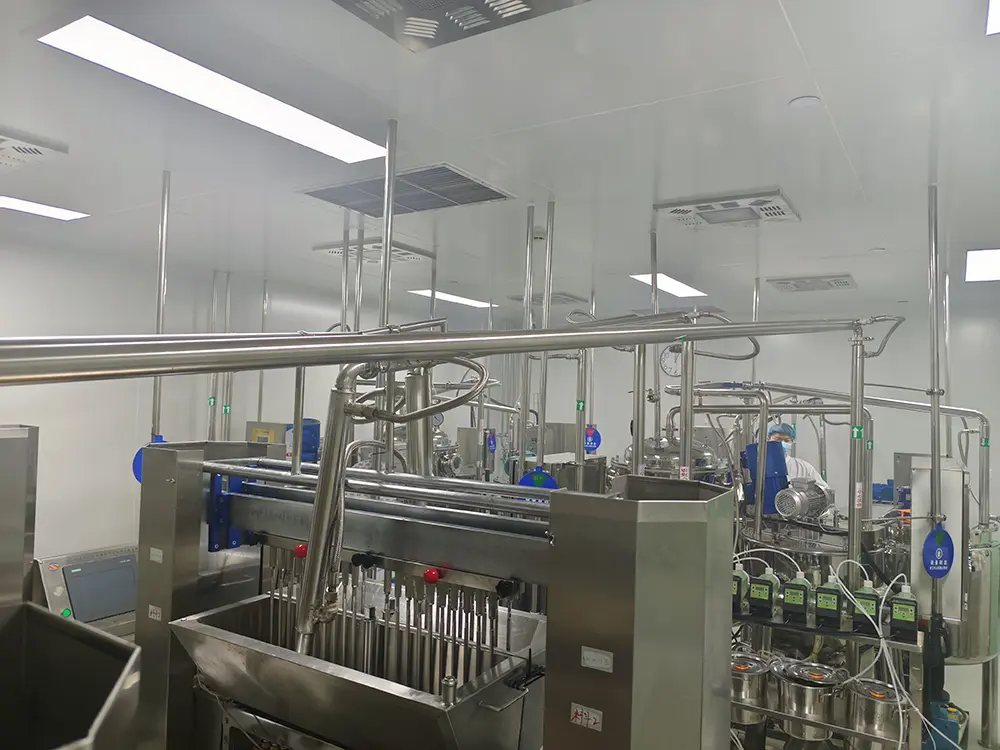
Gothink holds a comprehensive certification portfolio including ISO 9001, ISO 22000, HACCP, FDA, HALAL, GMP, KOSHER, BRC, FSSC 22000, PJPH, and Vegan. The production facility features a 100,000-class cleanroom and a 10,000-class pharmaceutical-grade R&D laboratory, strictly adhering to pharmaceutical GMP standards. The facility achieves a daily output of 16 tons and an annual production capacity of 5,000 tons, supporting both emerging brands and large-scale enterprises.
The company’s manufacturing capabilities cover gummies, capsules, tablets, powders, liquids, and drops. In gummy contract manufacturing specifically, Gothink utilizes natural gelling agents such as pectin and carrageenan, offering full OEM/ODM customization from formula development and flavor design to molding and packaging. The R&D team conducts formulation research on approximately 2,000 new products annually, supported by the 10,000-class pharmaceutical-grade laboratory for precise and innovative development.
Gothink provides flexible minimum order quantities, accommodating small trial runs through full-scale production for online sellers, retailers, established brands, and startups. As an experienced dietary supplement manufacturer, the company offers one-stop OEM/ODM services covering formulation, design, regulatory compliance, and export, enabling partners to make creatine gummies and other supplement formats efficiently and at scale. The combination of advanced R&D, high-capacity GMP manufacturing, and adaptable customization makes Gothink a qualified partner for private label creatine gummies and wholesale supplement production worldwide.