
Abstract
What Are Gummies in Supplement Manufacturing?
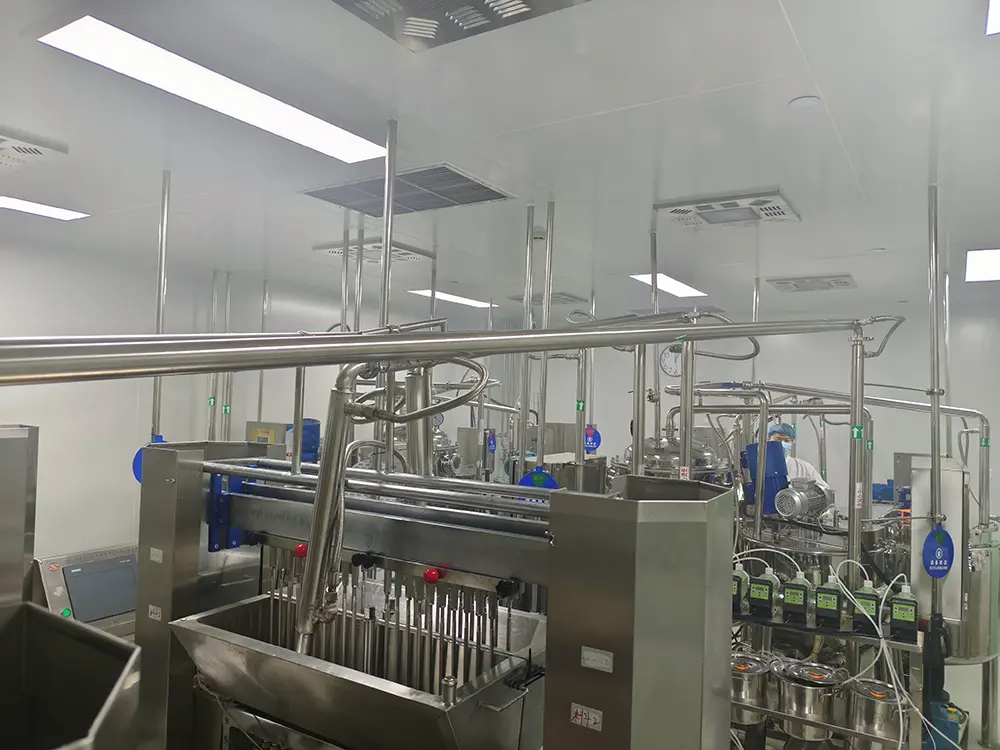
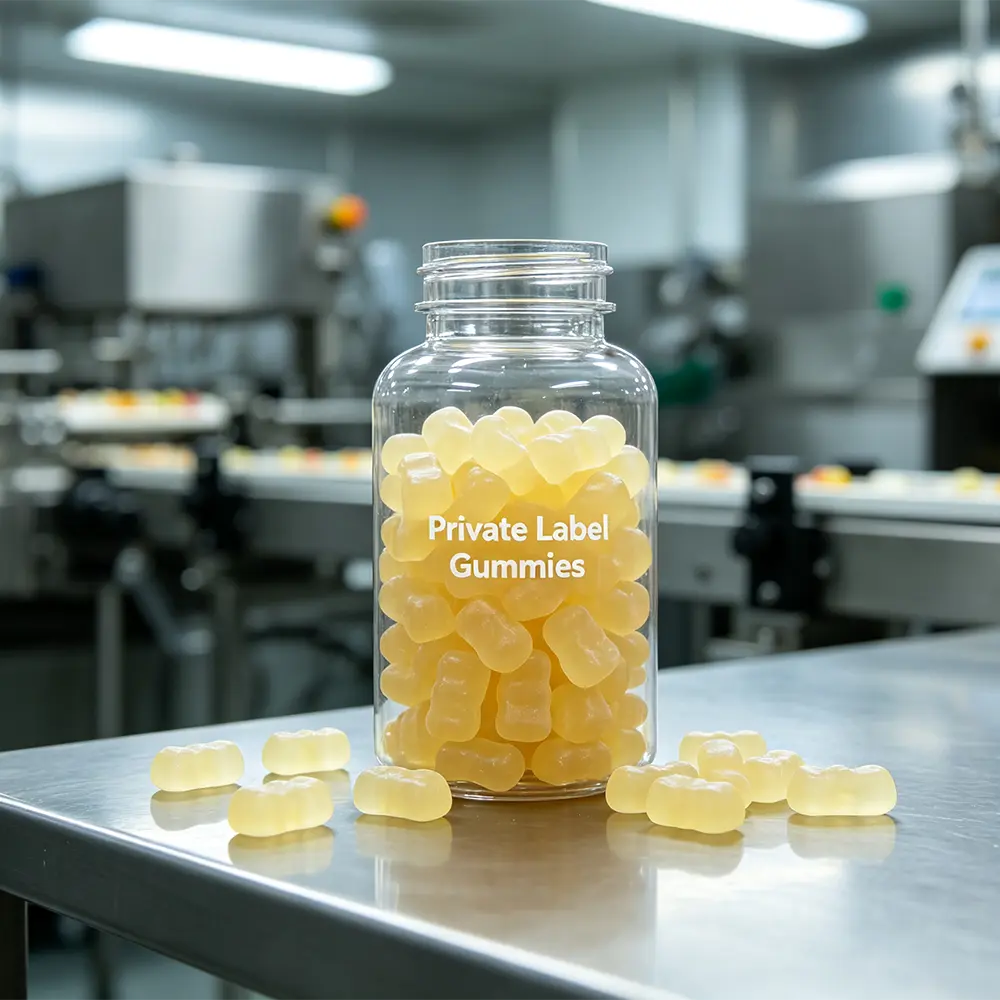
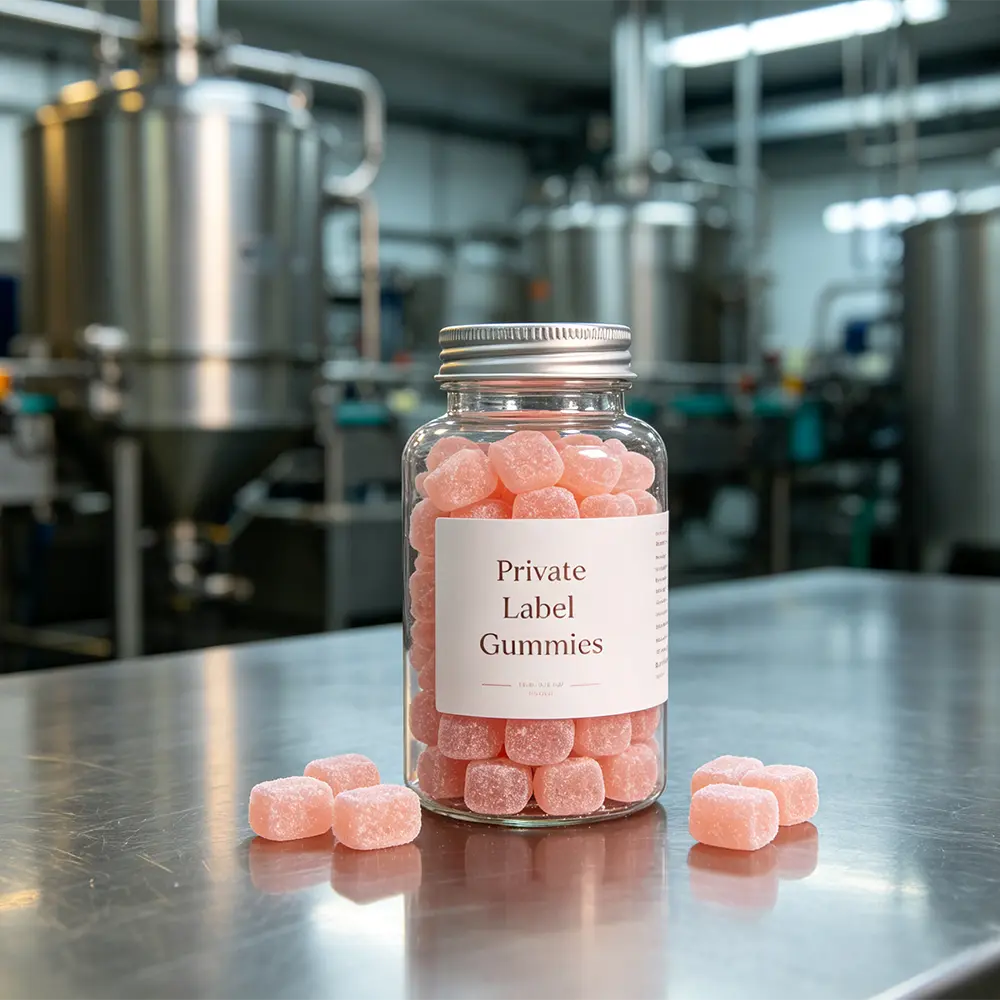
Gummy manufacturing refers to the industrial process of creating chewable, gelatin or pectin-based supplements that encapsulate vitamins, minerals, botanicals, or functional ingredients in an appealing, easy-to-consume format. It combines food science, pharmaceutical precision, and flavor technology to deliver accurate dosing while maintaining taste, texture, and shelf stability.
Step-by-Step Process: How to Make Gummies
- Formulation Development Begin with selecting active ingredients, gelling agents (such as gelatin, pectin, or carrageenan), sweeteners, flavors, and colors. The formula must balance active ingredient stability, pH, and texture. Expert teams often conduct small-batch testing to optimize bioavailability and sensory properties.
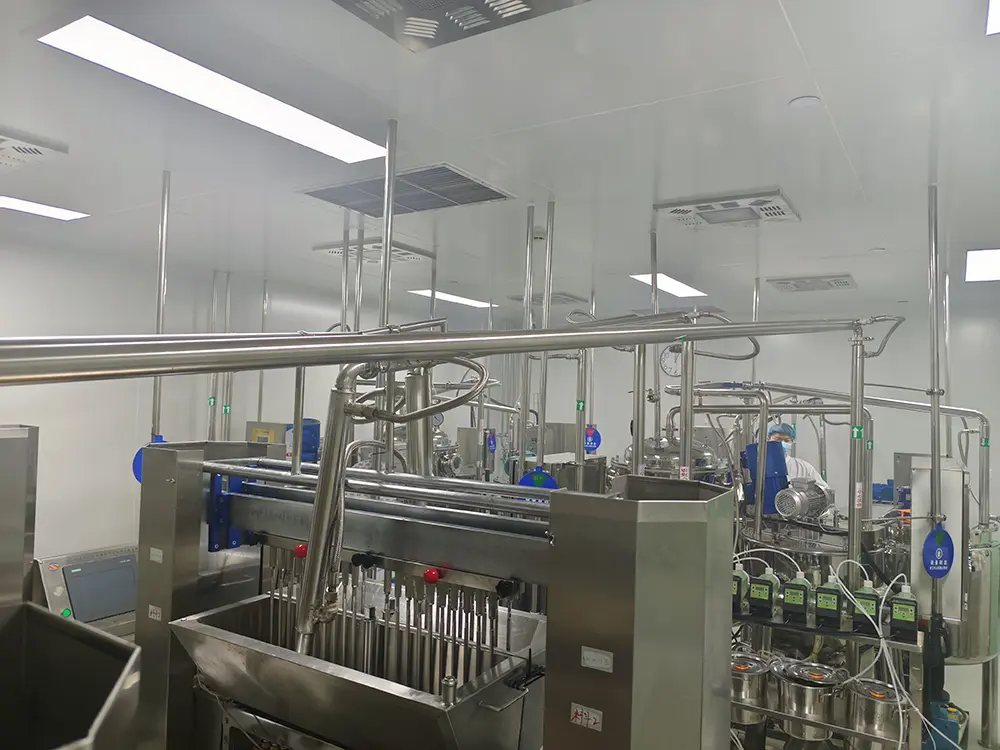
- Ingredient Preparation and Mixing Ingredients are weighed precisely and dissolved in controlled temperatures. The base syrup is cooked to the correct Brix level (sugar concentration), then active nutrients are added under low-shear mixing to prevent degradation.
- Molding and Depositing The liquid mixture is deposited into starch or silicone molds using automated depositors. This step determines the shape — from standard bears to custom forms — and ensures uniform weight and dosage.
- Cooling and Setting Gummies are cooled in a controlled environment to achieve the desired firmness. Setting time varies based on the gelling agent and formula.
- Drying and Demolding Excess moisture is removed in drying tunnels or rooms to reach target water activity levels (typically below 0.6) for microbial stability. Gummies are then removed from molds and inspected.
- Coating and Polishing (Optional) Some products receive oil or wax coatings to prevent sticking and improve appearance.
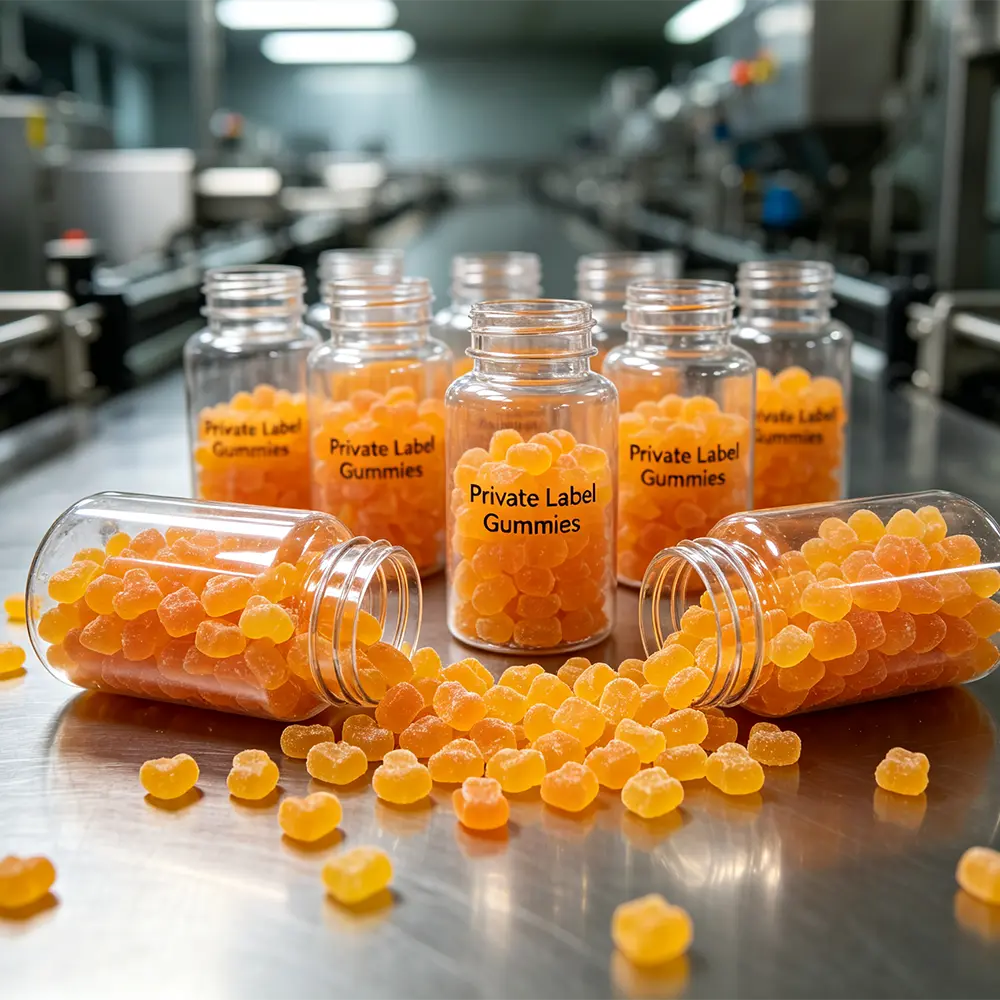
- Packaging Finished gummies are packaged in bottles, pouches, or blister packs under sanitary conditions, often with desiccant packets for moisture control.
Practical Insights for Gummy Production
Quality Control and Compliance
Throughout production, manufacturers monitor critical parameters such as temperature, pH, moisture, and active ingredient potency. Facilities following GMP standards conduct in-process testing and finished-product analysis for heavy metals, microbes, and label claim verification. Certifications like ISO22000, HACCP, and FDA registration build trust and facilitate international distribution.
Scalability and Customization
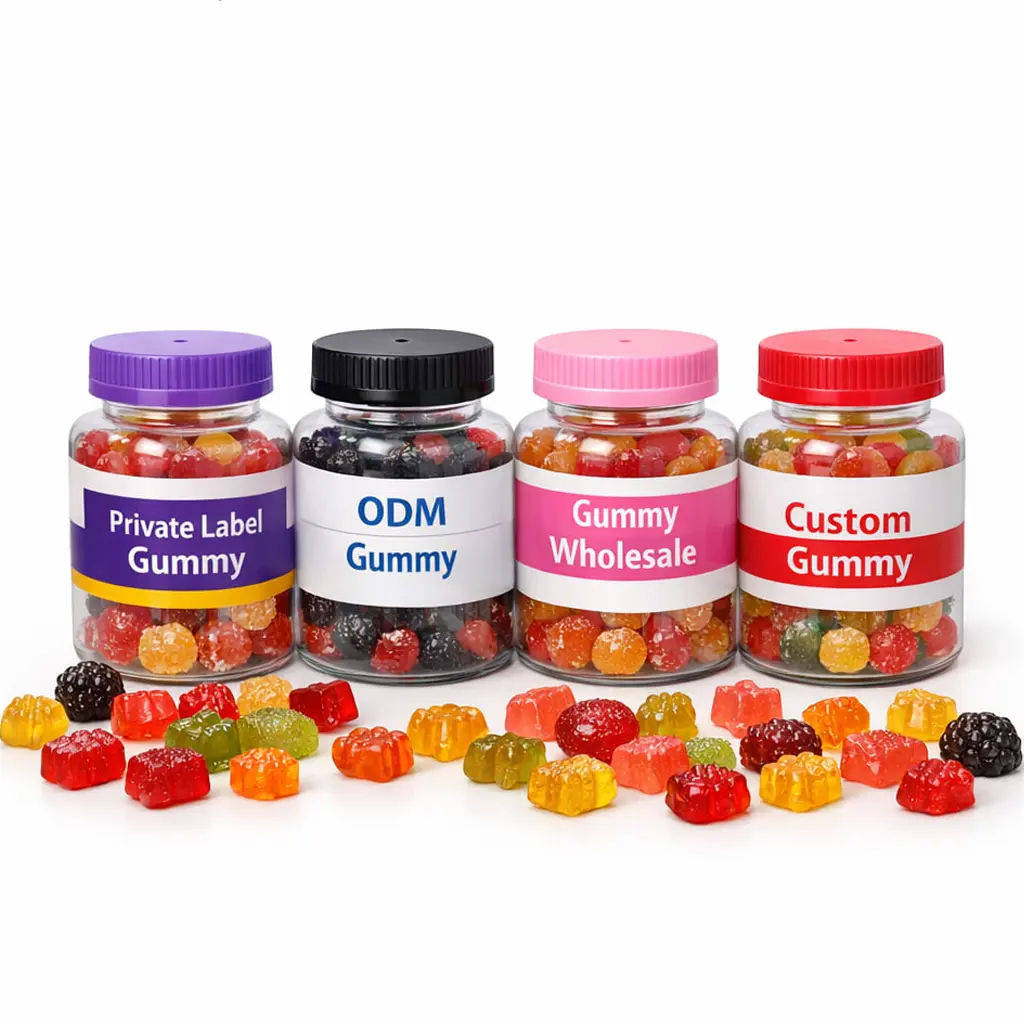
Small trial runs allow validation before scaling to full production. Modern lines support flexible batch sizes and rapid changeovers for multiple SKUs. Custom gummy manufacturer partners can adjust shapes, flavors, sugar content, and functional ingredients to target specific demographics (e.g., women’s multivitamins, sleep support, or pre-workout).
Technical Parameters Table
|
|---|
B2B Decision Considerations
Businesses evaluating Gummy Contract Manufacturing should assess a partner’s R&D capabilities, minimum order quantities (MOQ), lead times, and regulatory support. Look for facilities with advanced laboratories for formulation work and proven experience in private label gummy production. Key factors include supply chain transparency, stability testing data, and export documentation readiness. Flexible MOQs benefit startups, while high-capacity lines suit established brands seeking cost efficiency through private label gummy manufacturer partnerships.
Conclusion
Successful gummy manufacturing requires scientific precision, rigorous quality systems, and scalable processes. By following structured formulation and production steps, companies can create appealing, effective supplements that stand out in the market.
FAQ
Q: What is the main difference between gelatin and pectin gummies? A: Gelatin offers a classic chewy texture from animal sources, while pectin provides a vegan-friendly alternative with slightly different setting properties and often fruitier notes.
Q: How long does it typically take to develop and produce custom gummies? A: Formulation and testing usually require 2–6 weeks, followed by production lead times of 4–8 weeks depending on scale and customization.
Q: Can gummies be manufactured sugar-free or with specific dietary restrictions? A: Yes. Experienced manufacturers support low-sugar, keto-friendly, vegan, and allergen-free formulations using alternative sweeteners and gelling agents.
Q: What quality certifications should a reliable gummy manufacturer hold? A: Important certifications include GMP, ISO9001, ISO22000, HACCP, FDA registration, Halal, Kosher, and Vegan where applicable.
Q: Is small-batch production possible for new brands? A: Many custom gummy manufacturers offer flexible MOQs suitable for market testing before scaling to larger volumes.
Q: How do you ensure accurate dosing in gummy supplements? A: Precise ingredient weighing, validated mixing protocols, and regular HPLC or other analytical testing confirm potency matches label claims.
Partner with an Experienced Manufacturer
Shenzhen Gothink Biotech Co., Ltd. is a professional custom gummy manufacturer offering comprehensive Gummy Contract Manufacturing services. With GMP-certified facilities, advanced R&D supported by U.S. postdoctoral expertise, and high-capacity production lines, the company delivers end-to-end OEM/ODM solutions. They support private label gummy development across various formats, functional ingredients, and packaging options, enabling brands to efficiently bring high-quality products to market through reliable manufacturing, bulk production, and wholesale capabilities.