
Abstract
Producing gummies for retail requires a systematic approach that covers ingredient selection, equipment configuration, and a tightly controlled manufacturing process. This guide details each production stage from formulation to packaging, with practical insights on quality control, scalability, and regulatory compliance. It is designed as a professional reference for brands and businesses evaluating how to make gummies at commercial scale.
Definition
How to Make Gummies for Retail: Ingredients, Equipment and Manufacturing Process refers to the complete commercial production framework for manufacturing gelatin-based or pectin-based gummy supplements and confections intended for retail sale, encompassing raw material sourcing, machinery requirements, step-by-step processing, and post-production quality assurance.
Ingredients
The foundation of any commercial gummy product is its ingredient profile. Formulation decisions directly affect texture, shelf stability, nutritional value, and regulatory classification.
Core Structural Ingredients
Gelling agents are the primary structural component. Gelatin is the most widely used, providing a firm chew and excellent release properties from molds. Pectin, derived from fruit, serves as the standard alternative for vegan and halal products, yielding a softer, more tender bite. Carrageenan and agar are also used in specific formulations. The choice of gelling agent determines downstream processing parameters, particularly temperature and setting time.
Sweeteners and Bulk Agents
Glucose syrup and sucrose form the bulk of most gummy formulations. Glucose syrup controls crystallization and contributes to chew texture. For sugar-reduced or sugar-free products, manufacturers substitute allulose, maltitol, or erythritol. The ratio of sugar to syrup is a critical variable that influences both mouthfeel and moisture activity, which in turn affects shelf life.
Active Ingredients and Nutrients
For supplement gummies, active ingredients include vitamins (e.g., vitamin C, B-complex, D3), minerals (zinc, magnesium), and botanical extracts. Heat sensitivity is a key consideration—certain vitamins and probiotics degrade at standard gummy cooking temperatures (above 80°C), requiring either microencapsulation or addition during a lower-temperature mixing stage post-cooking.
Flavors, Colors, and Acids
Natural or nature-identical flavors are added at the final mixing stage. Citric acid and malic acid provide tartness and also function as preservatives by lowering pH. Colors must comply with target-market regulations—FD&C-approved colors for the U.S. market, natural extracts (beetroot, turmeric, spirulina) for clean-label positioning.
Equipment
Commercial gummy production requires dedicated equipment configured for continuous or batch processing. The scale of operation dictates whether a fully automated line or a semi-automated setup is appropriate.
Preparation and Cooking
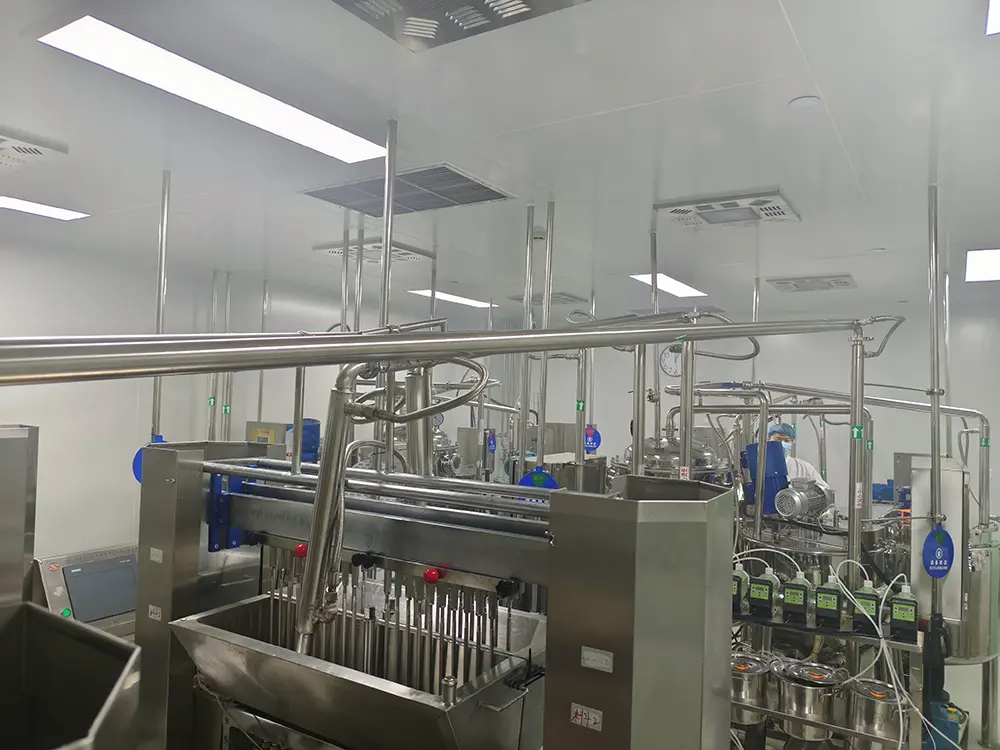
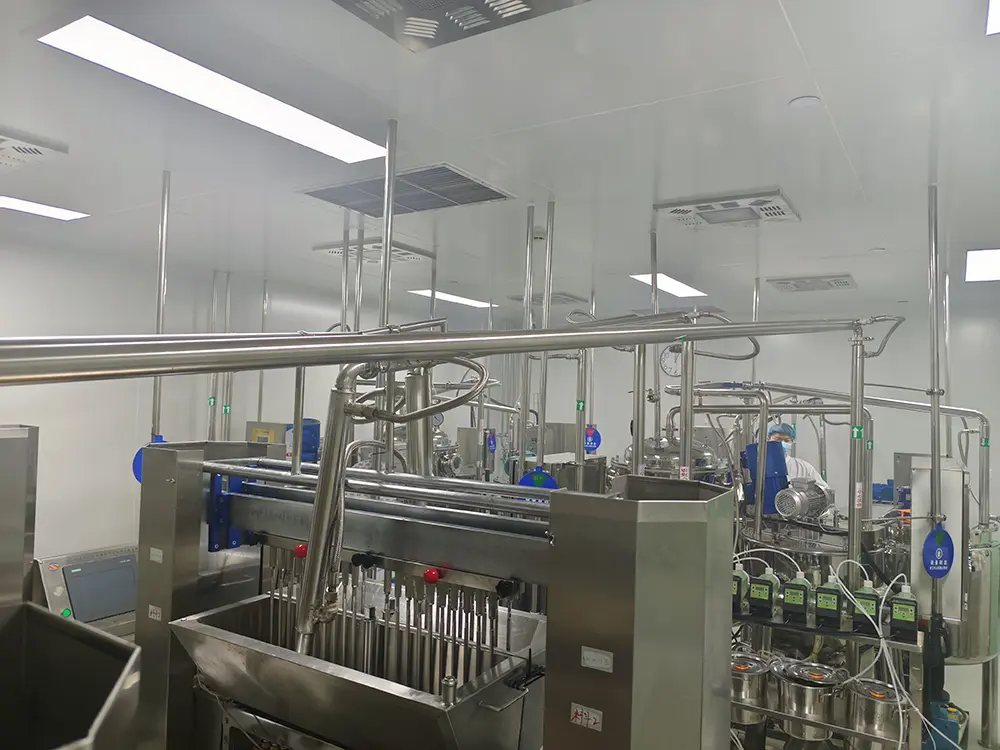
A stainless-steel jacketed mixing tank with adjustable temperature control and vacuum capability is standard. The vacuum function removes air bubbles from the cooked mass, which is essential for achieving clear, defect-free gummies. Capacities typically range from 100L for pilot runs to 2,000L for high-volume production.
Depositing and Molding
Piston or servo-driven depositing machines deliver precise doses into starch molds or silicone molds. Starch molding is the industry standard for high-volume production—mold boards filled with dry starch are impressed with shape cavities, filled with gummy slurry, and then moved through a conditioning tunnel for setting. A modern Gummy Factory typically uses multi-lane depositors capable of producing 600 to 3,000 pieces per minute.
Drying and Conditioning
After depositing, gummies enter a controlled drying room or tunnel. Temperature is maintained between 35°C and 50°C with relative humidity between 30% and 45%. Drying time ranges from 6 to 48 hours depending on gummy size, gelling agent, and target moisture content (typically 12%–18%). Precise control at this stage prevents sticking, deformation, or excessive hardening.
Deflashing and Polishing
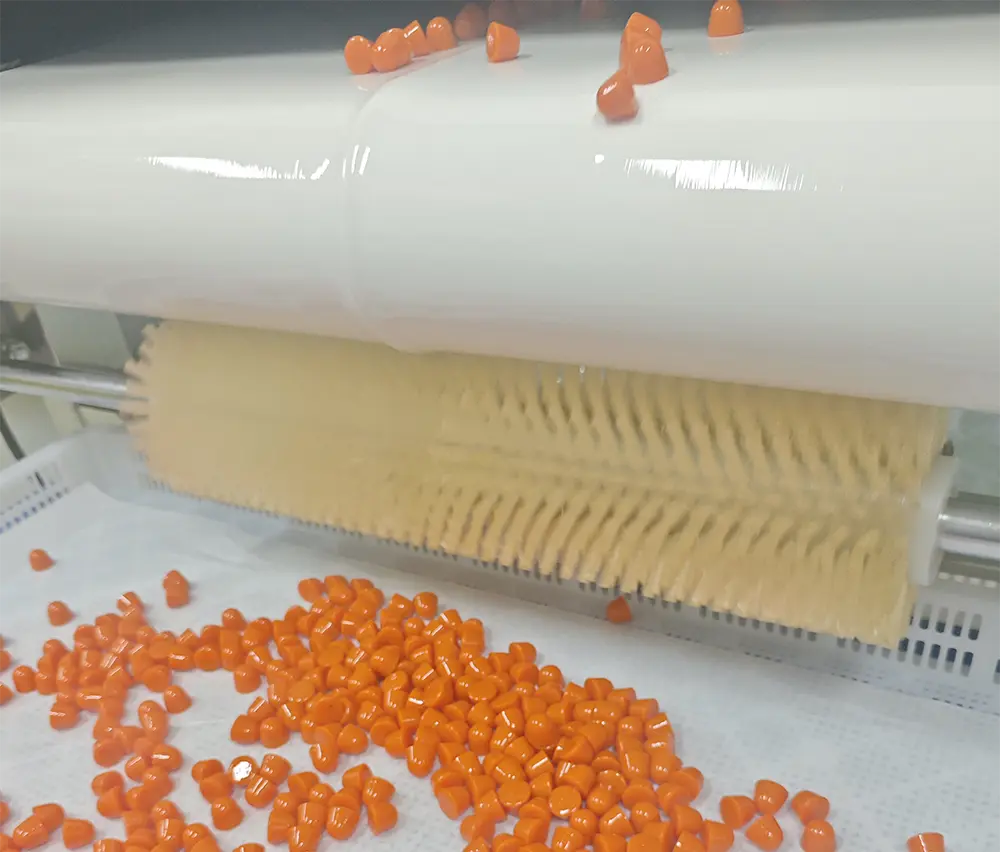
Gummies are removed from starch molds, passed through a de-starching drum, and then visually inspected. Deflashing removes excess material from mold seams. Polishing with oil or wax (carnauba wax or beeswax) reduces surface tackiness and improves appearance.
Packaging
Automated packaging lines handle counting, bagging, bottling, and sealing. Modified atmosphere packaging (MAP) or nitrogen flushing extends shelf life by reducing oxidative degradation. Desiccant packets are commonly included in bottles to control residual moisture.
Manufacturing Process
The process to make gummies at retail scale follows a strict sequence of controlled stages. Each step must be documented and monitored to ensure batch-to-batch consistency.
Step 1: Raw Material Inspection
All incoming ingredients are tested against specifications: identity, purity, heavy metals, microbial limits, and certificate of analysis (COA) verification. Non-conforming materials are quarantined and rejected. This step is a regulatory requirement under cGMP (Current Good Manufacturing Practice) standards.
Step 2: Syrup Preparation
Water, glucose syrup, and sugar are combined in the jacketed cooker and heated to 110°C–125°C under vacuum. The vacuum lowers the boiling point, preventing caramelization while achieving the target Brix level (typically 75°–82° Brix). This cooked syrup is the base matrix.
Step 3: Gelling Agent Hydration
Gelatin requires cold-water hydration (blooming) for 20–60 minutes before being melted into the hot syrup at 60°C–70°C. Pectin is dissolved directly into the syrup under high-shear mixing. Incomplete hydration causes lumps, weak texture, and inconsistent dosing of active ingredients.
Step 4: Active Ingredient and Flavor Incorporation
Heat-sensitive actives, flavors, colors, and acids are added in a secondary mixing tank at 50°C–65°C. The mixing speed and duration are controlled to ensure uniform distribution without introducing air. Over-mixing can degrade shear-sensitive ingredients like certain probiotic strains.
Step 5: Depositing
The final slurry is transferred to the depositor hopper, which maintains temperature above the gelling point to prevent premature setting. The depositor fills mold cavities with precise weight control—typical tolerance is ±3% of target weight. For supplement gummies, this weight accuracy directly determines dosage accuracy.
Step 6: Setting and Drying
Filled molds travel through a temperature- and humidity-controlled conditioning tunnel. Gelatin-based gummies set within 10–30 minutes at room temperature but require additional drying time to reach target moisture. Pectin-based gummies require calcium ion activation for proper gel formation, which occurs during the drying phase.
Step 7: Demolding, Deflashing, and Polishing
Starch molds are inverted to release gummies. Residual starch is removed via tumbling and air blowing. Flash material is separated. Polishing is applied in a rotating drum with a measured amount of oil or wax—excess coating causes greasy appearance and packaging issues.
Step 8: Quality Control Testing
Finished gummies are tested for weight, dimensions, texture (via texture analyzer), moisture content, pH, and active ingredient potency (via HPLC or microbiological assay). Microbial testing includes total plate count, yeast and mold, E. coli, Salmonella, and Staphylococcus aureus. Batch records are compiled and retained.
Step 9: Packaging and Labeling
Gummies are counted, packaged, labeled with batch number, expiry date, and regulatory information, and then boxed for distribution. Packaging integrity testing (seal strength, leak detection) is performed on each batch.
Technical Parameters
| Parameter | Gelatin-Based Gummies | Pectin-Based Gummies |
|---|---|---|
| Gelling Agent Concentration | 6%–10% | 1.5%–3.0% |
| Cooking Temperature | 110°C–125°C (syrup base) | 105°C–118°C (syrup base) |
| Depositing Temperature | 65°C–75°C | 75°C–85°C |
| Setting Time | 10–30 minutes | 30–60 minutes |
| Drying Conditions | 35°C–45°C, 30%–45% RH, 6–24h | 35°C–50°C, 30%–40% RH, 12–48h |
| Target Moisture Content | 14%–18% | 12%–16% |
| Target pH | 3.5–4.5 | 3.0–3.8 |
| Shelf Life (standard packaging) | 18–24 months | 18–24 months |
| Weight Tolerance per Piece | ±3% of target | ±3% of target |
Practical Insights
Production Consistency
Batch-to-batch consistency is the most critical production challenge. Variations in raw material moisture, ambient humidity, or cooking time can produce measurable differences in texture and weight. Standard operating procedures (SOPs) must specify not just temperatures and times but also measurable checkpoints—Brix readings, pH values, and viscosity measurements—at each stage.
Quality Control Integration
Quality control should not be limited to final-product testing. In-process controls (IPCs) at the cooking, mixing, and depositing stages catch deviations before they result in a failed batch. For example, verifying Brix after cooking prevents under-concentrated syrup from reaching the depositor, which would cause soft, sticky gummies and extended drying times.
Scalability Considerations
Scaling from pilot to full production is not linear. Heat transfer rates, mixing dynamics, and drying uniformity all change with batch size. A formulation optimized in a 50L tank may require adjustment for a 1,000L tank—particularly regarding hydration time for gelatin and the shear profile for pectin incorporation. Pilot-scale validation before full-scale launch is standard practice to mitigate this risk.
Regulatory Compliance
Depending on the market, gummy products are regulated as food supplements, dietary supplements, or novel foods. In the U.S., dietary supplement gummies must comply with FDA cGMP (21 CFR Part 111). In the EU, they fall under the Food Supplements Directive (2002/46/EC). Labeling requirements, permitted ingredient lists, and maximum dosage levels vary by jurisdiction. Manufacturers must maintain documented compliance for each target market.
B2B Decision Guide
Choosing Between In-House Production and Contract Manufacturing
Brands evaluating how to bring a gummy product to market face a fundamental decision: build internal production capability or partner with a contract manufacturer. In-house production requires capital investment in equipment (typically $500,000 to $3 million for a moderate-capacity line), facility buildout to GMP standards, and recruitment of specialized technical staff. Contract manufacturing eliminates upfront capital expenditure and accelerates time to market, typically by 6–12 months.
Partner Selection Criteria for Contract Manufacturing
When outsourcing to a Gummy Factory, B2B buyers should evaluate partners across the following dimensions: certifications held (GMP, ISO22000, FSSC 22000, BRC), production capacity and lead times, minimum order quantity (MOQ) flexibility, formulation development capability, quality control laboratory equipment and staffing, and track record with similar product types. Requesting facility audit reports, sample batches, and third-party test results is standard due diligence.
Private Label vs. Custom Formulation
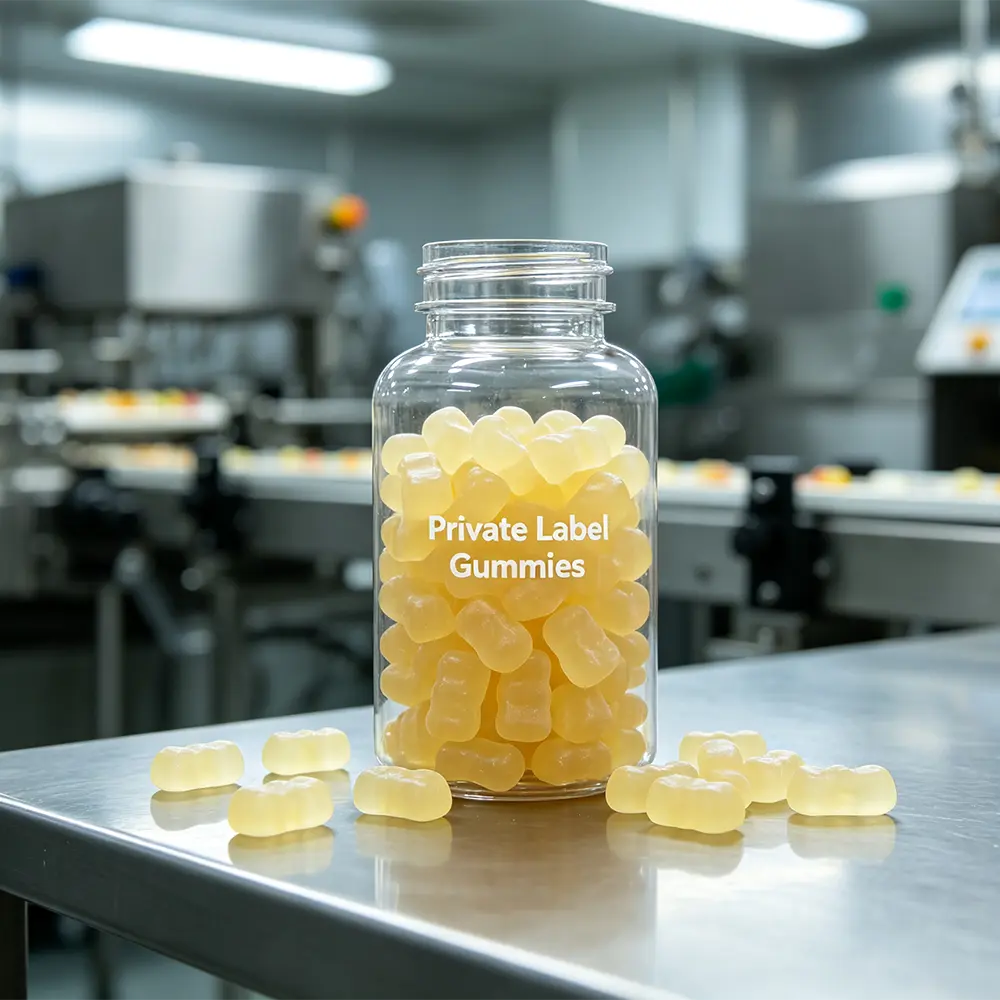
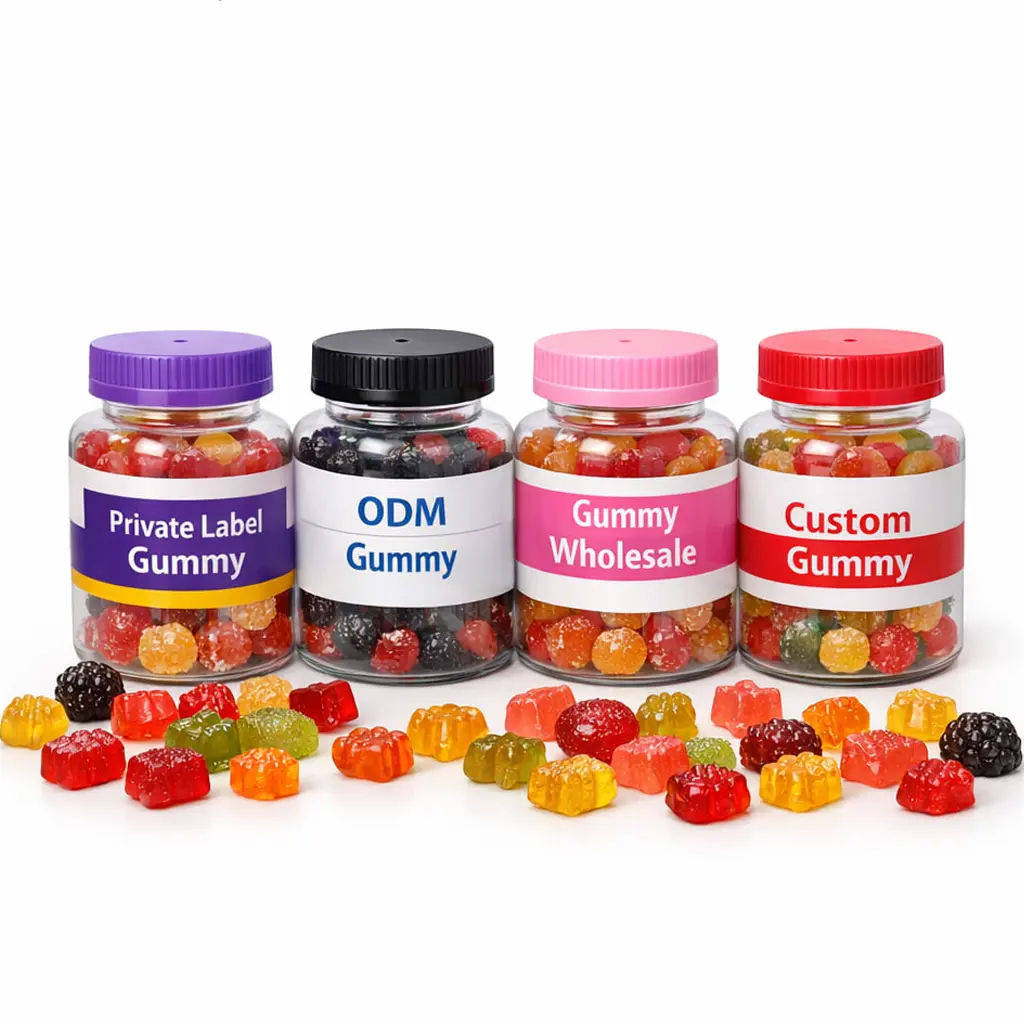
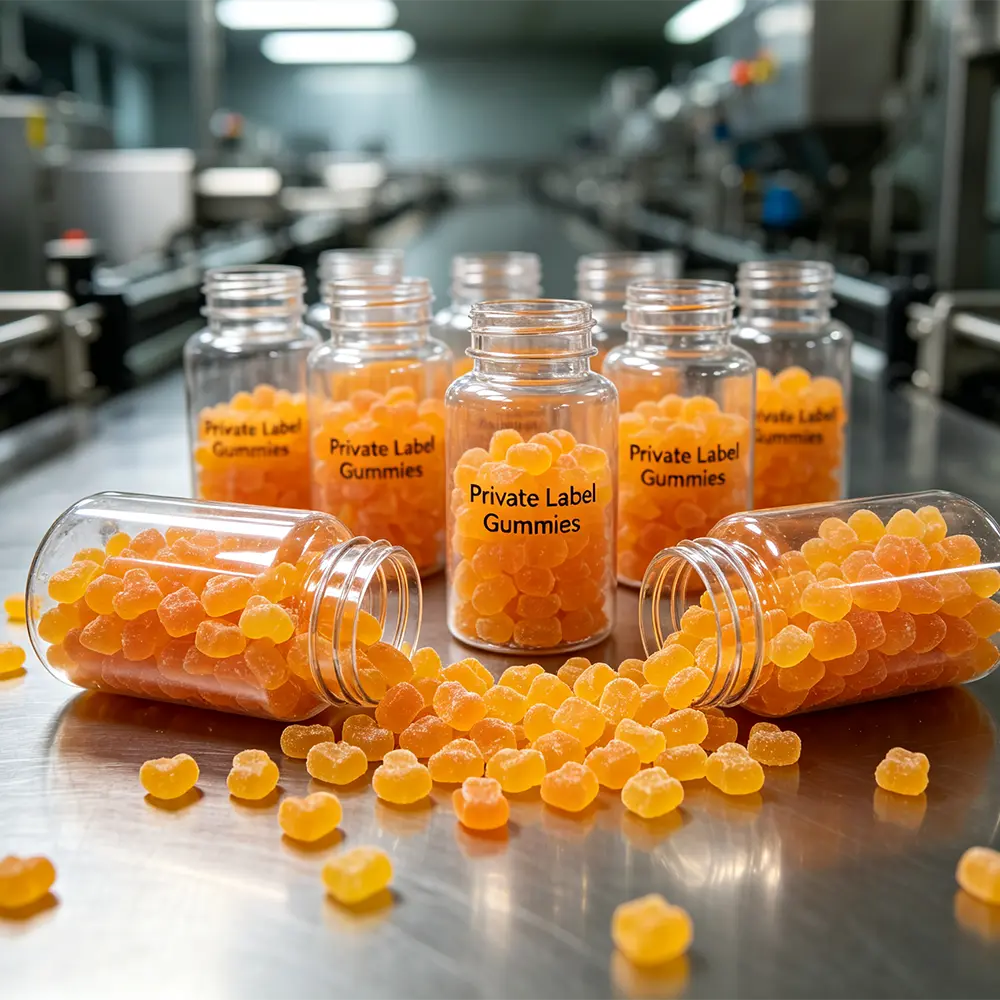
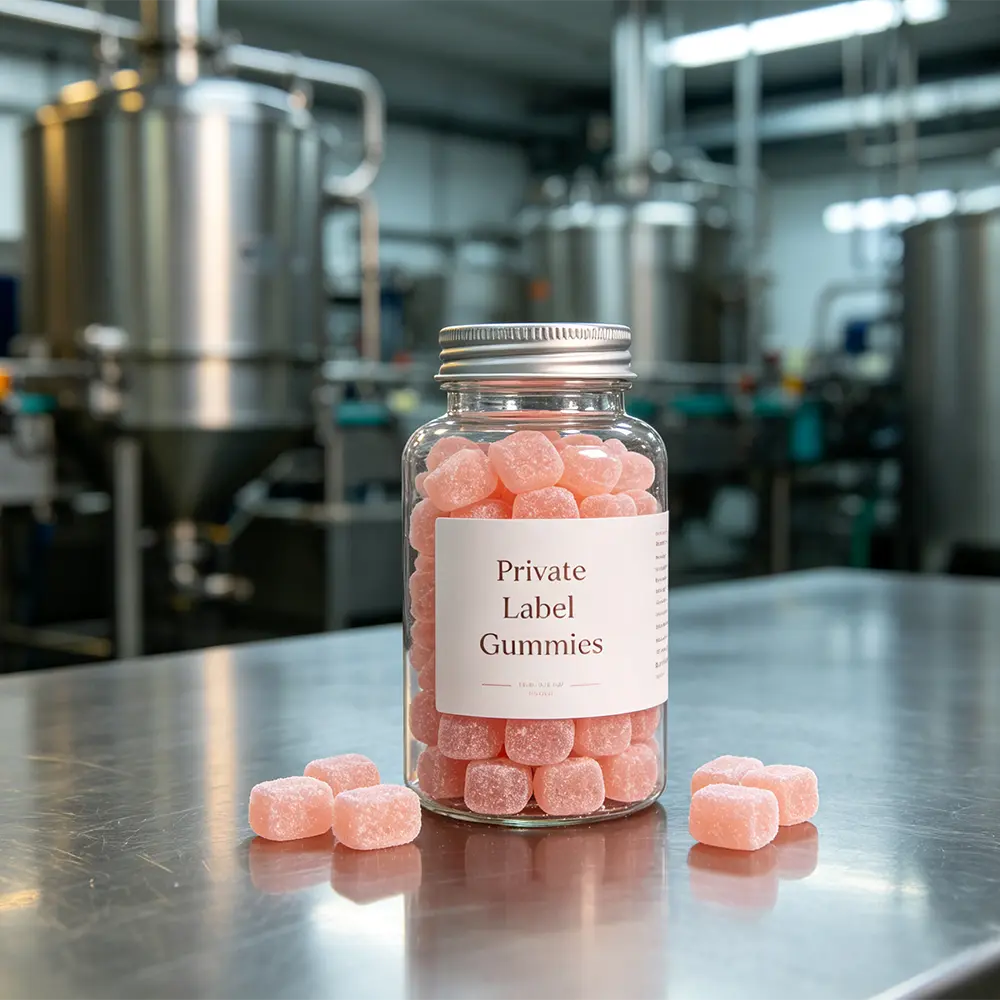
Private label gummies use pre-developed formulations that the manufacturer offers to multiple brands, typically with customization limited to flavor, color, and packaging. This route offers lower MOQs, faster launch timelines, and reduced development costs. Custom formulation provides full control over the ingredient profile, dosage levels, and product differentiation—but requires longer development timelines (8–16 weeks), higher MOQs, and often formulation development fees. The choice depends on brand strategy, competitive positioning, and budget.
Cost Structure Analysis
Per-unit cost for commercial gummies is influenced by: ingredient cost (active ingredients are often the largest variable), gummy weight, packaging format (pouch vs. bottle vs. blister), order volume, and complexity of formulation. At volumes of 100,000–500,000 units, typical per-unit cost ranges from $0.03 to $0.15 for basic formulations, and $0.08 to $0.35 for formulations with premium or high-dose active ingredients. Shipping, compliance testing, and label design are additional line items to budget.
Supply Chain and Lead Time Planning
Standard lead time from order confirmation to delivery is 30–60 days for private label gummies and 60–120 days for custom formulations. Raw material sourcing for specialty ingredients (rare botanical extracts, patented vitamin forms) can add 2–4 weeks. Brands should plan for at least one production cycle as safety stock to avoid out-of-stock situations, particularly during peak retail seasons.
Conclusion
Manufacturing gummies for retail is a multi-variable process that demands precision at every stage—from ingredient specification and equipment configuration through depositing, drying, and packaging. Success depends on rigorous process control, thorough quality assurance, and a clear understanding of regulatory requirements in target markets. For B2B brands, the decision between in-house manufacturing and contract manufacturing should be based on a realistic assessment of capital, timeline, and technical capability. Regardless of the production model, consistent execution of standardized processes is what determines whether a gummy product meets market expectations for quality, safety, and consumer experience.
FAQ
What is the minimum order quantity for commercial gummy production?
MOQs vary by manufacturer and product type. Contract manufacturers typically set MOQs at 30,000 to 100,000 units for private label gummies, and 50,000 to 200,000 units for custom formulations. Some manufacturers offer lower MOQs for trial or market-test orders.
How long does it take to develop and produce a new gummy product?
Private label products can be ready for production in 2–4 weeks. Custom formulations require 8–16 weeks for development, stability testing, and regulatory review, plus an additional 4–8 weeks for production and delivery.
Can gummy products be made without gelatin?
Yes. Pectin, carrageenan, and agar are established gelatin alternatives. Pectin-based gummies are the most common vegan option and are widely produced at commercial scale with texture and shelf-life characteristics comparable to gelatin-based products.
What certifications should a gummy contract manufacturer hold?
Essential certifications include GMP, ISO22000, and HACCP. Additional certifications such as FSSC 22000, BRC, FDA registration, HALAL, KOSHER, and Vegan are important depending on target markets and product positioning.
How is dosage accuracy ensured in gummy supplements?
Dosage accuracy is controlled through precise depositor calibration (weight tolerance ±3%), uniform mixing of active ingredients into the syrup base, and post-production potency testing via HPLC or equivalent analytical methods. Each batch must meet label-claim specifications before release.
What are the main causes of gummy production defects?
Common defects include sticking (insufficient drying or high moisture content), deformation (excessive drying temperature or improper demolding), blooming (sugar migration due to humidity fluctuation), and inaccurate weight (depositor calibration drift or air entrainment in the slurry). Most defects are preventable through process control and environmental monitoring.
This article is provided by Gothink Biology, a globally recognized dietary supplement manufacturer, offering.
Shenzhen Gothink Biology Technology Co., Ltd. is a global leading nutrition supplement supplier and dietary supplement manufacturer specializing in OEM, ODM, CMO, and CDMO services for health and wellness brands worldwide. With extensive industry expertise and international certifications including ISO9001, ISO22000, HACCP, FDA, HALAL, GMP, KOSHER, BRC, FSSC 22000, PJPH, and Vegan, we deliver high-quality custom formulation, contract manufacturing, and wholesale solutions for B2B clients across global markets.
For more information, please visit our official website: https://gothinkbio.com/ or contact our expert team.