
Direct Answer: How to Stabilize Creatine Monohydrate in Gummies
Creatine monohydrate degrades to creatinine when exposed to heat, moisture, and acidic pH. In gummy manufacturing, this conversion is the main stability failure. A qualified creatine gummies manufacturer prevents degradation by controlling four variables: pH above 4.0, water activity below 0.75, active addition below 60°C, and reduced residence time in aqueous phase.
In practice, this means cooking the gummy base first, cooling it to a controlled holding temperature, then adding micronized creatine monohydrate as a pre-blended slurry with minimal free water. The gel system, buffering salts, and drying profile are then tuned to lock water and slow cyclization. Shelf-life is validated by HPLC assay of creatine vs. creatinine over time, not just by texture or taste.

Why Creatine Monohydrate Is Difficult in Gummy Formulations
Brands want to create creatine gummies because consumers prefer chewable formats, but creatine monohydrate was not designed for high-moisture systems. As a dry powder it is stable. In solution, it undergoes intramolecular cyclization to creatinine.
The Creatine-Creatinine Conversion Mechanism
Creatine monohydrate contains a guanidino group that cyclizes under aqueous conditions. The reaction rate increases with temperature, time in water, and extreme pH. Published stability data show rapid loss below pH 3.5 and above pH 7.5, with the best stability near pH 4.5 to 6.5 at low temperature.
In a gummy, you have all three accelerators at once: cooking at 80-110°C, 20-30% water during processing, and organic acids added for flavor. If creatine is present during cooking, a significant portion will convert before deposition.
Why the Gummy Matrix Accelerates Degradation
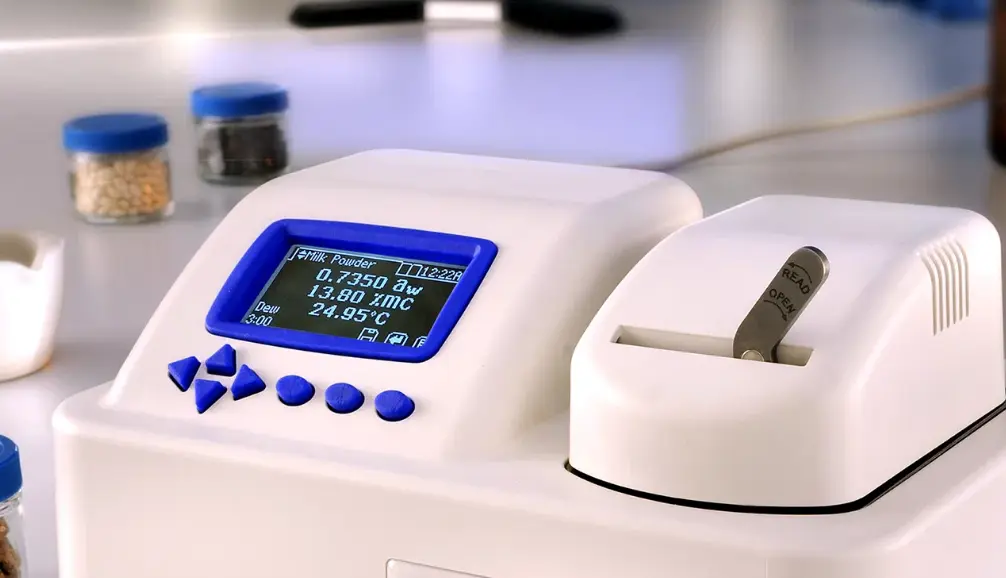
A standard gummy mass holds 30-40% moisture before drying. Water activity (Aw) is typically 0.70-0.82 after conditioning. This free water acts as a reaction medium for creatine degradation even after the product is packed.
Additional factors include:
- Acid addition: Citric acid or malic acid drops pH to 3.0-3.8 for taste, directly accelerating conversion.
- Heat history: Long holding times in the holding tank increase degradation more than peak temperature alone.
- Particle size: Unmilled creatine has low solubility and gritty mouthfeel, but fully dissolving it increases water exposure.
- Hygroscopic behavior: Creatine can pull moisture from the gel, raising local Aw and softening texture over shelf life.
Key Formulation Controls to Prevent Degradation
Stability must be designed into the formula, not tested in afterward. The following controls are standard for commercial-scale creatine gummies.
1. pH and Buffer Control
Target a finished gummy pH of 4.0-5.2. Avoid direct addition of 50% citric acid solution to a mass containing creatine. Instead, use a buffered acid system:
- Use sodium citrate or potassium citrate to buffer the acid component and keep pH from dropping below 4.0.
- Add acid in two stages: a small portion for gel setting, then the remainder as a topical or sanding acid after drying, away from the creatine phase.
- Measure pH on melted gummy, not just on the slurry, because pectin and gelatin shift pH during setting.
This pH range still provides tartness for flavor masking but reduces the cyclization rate by a large margin compared to pH 3.2-3.5.
2. Water Activity and Moisture Control
Water activity is a better predictor of stability than total moisture. For creatine gummies, aim for Aw 0.60-0.75 after conditioning, not the 0.78-0.82 common for conventional pectin gummies.
- Increase solids to 80-83 Brix before active addition.
- Use low-moisture polyols such as erythritol or isomalt to reduce free water while maintaining sweetness.
- Control drying: 24-48 hours at 20-25°C and 25-35% RH in drying rooms, rather than high-heat tunnel drying, which re-exposes creatine to heat.
- Validate Aw on every batch. Aw above 0.78 correlates with faster creatinine formation and higher microbiological risk.
3. Low-Temperature Active Addition Sequence
Never add creatine monohydrate during cooking. The correct sequence is:
- Cook sucrose, glucose syrup, and water to target Brix under vacuum to limit heat exposure.
- Transfer to a holding vessel and cool to 60-65°C for gelatin or 75-85°C for pectin systems, then further cool to 55-60°C before active addition.
- Pre-blend micronized creatine monohydrate (200 mesh or finer) with a small portion of oil, MCT, or dry carrier to reduce agglomeration and limit water needed for dispersion.
- Add the creatine slurry under low-shear mixing to avoid air incorporation and local heating. Keep total mixing time under 10 minutes.
- Deposit immediately. Minimize residence time in the depositor hopper.
This low-temperature addition preserves creatine content and prevents grittiness. High-shear homogenization is not recommended because it generates heat and breaks gel structure.
4. Gel System Selection
Gel system affects both process temperature and final Aw. Gelatin, pectin, and starch blends behave differently with creatine.
| Gel System | Process Temperature | pH Compatibility | Stability Implication for Creatine |
|---|---|---|---|
| Gelatin (250 Bloom) | Deposits at 55-65°C | Tolerates pH 4.0-6.0 | Low heat exposure, good for creatine, but higher Aw if not dried properly |
| High-Methoxyl Pectin | Deposits at 90-105°C | Requires pH 3.2-3.6 to set | High heat and low pH both accelerate creatinine formation, not preferred for creatine |
| Low-Methoxyl Pectin / Pectin-Gelatin Hybrid | Deposits at 75-85°C | Sets at pH 4.0-5.0 with calcium | Balanced option for vegan positioning with lower degradation risk |
| Starch-Based (Modified Starch) | Deposits at 70-80°C | Wide pH tolerance | Can buffer moisture but may require longer drying, increasing exposure time |
For most private label creatine gummies, manufacturers select gelatin or low-methoxyl pectin hybrid because it allows the lowest viable deposition temperature while maintaining shape and chew.
5. Particle Size and Pre-Treatment
Standard creatine monohydrate at 80-100 mesh creates sandy texture and poor content uniformity. Micronized creatine monohydrate at 200 mesh or finer improves mouthfeel and reduces the water needed to wet the particles.
Some manufacturers use coated creatine or granulated creatine with a thin lipid barrier. This can reduce direct water contact but adds cost and may affect assay. If coated material is used, confirm the coating does not interfere with gelatin setting or pectin calcium bridging.
Manufacturing Process for Stable Creatine Gummies
At commercial scale, stability depends on equipment and timing control as much as formula.
- Specification review: Confirm dosage per serving, gummy weight, serving count, flavor, and gel preference. Creatine dose drives gummy size. A 1.5 g dose per serving at 4 g gummy weight requires 3-4 pieces per serving or an oversized gummy.
- Raw material testing: Test creatine monohydrate for assay, creatinine impurity, particle size, and moisture before batching. Incoming creatinine above 0.1% indicates prior degradation.
- Batch preparation and vacuum cooking: Cook the sugar phase under vacuum at 85-95°C to reach target Brix quickly with less heat damage. This stage contains no active.
- Cooling and pH adjustment: Cool to holding temperature and add buffer salts. Verify pH before active addition.
- Active addition and mixing: Add creatine slurry at 55-60°C under low-shear planetary or anchor mixing. Mix until visually uniform, typically 5-8 minutes.
- Deposition: Use a depositor with heated hopper and precise temperature control. Mogul starch or silicone molds are both viable; silicone allows faster demolding and less starch moisture transfer.
- Cooling and setting: Cool at 10-15°C for 15-30 minutes to set gel structure without drying yet.
- Drying or conditioning: Condition in low-humidity drying rooms to bring Aw to target. Avoid high-temperature curing above 30°C.
- Coating and sanding: If oil coating is used for demolding, keep it minimal. If sugar sanding is required for taste, apply after Aw is stable to avoid moisture migration.
- Packaging: Use high-barrier films with oxygen transmission rate below 1.0 cc/m²/day. Include desiccant or nitrogen flush for bulk bags. Standard zipper pouches without barrier accelerate moisture pickup and creatinine formation.
- Finished product testing: Assay creatine by HPLC, measure creatinine as degradation marker, test Aw, pH, texture, and microbiology.
Quality Control and Shelf-Life Validation
For creatine gummies, quality control must separate texture failure from chemical degradation.
- Dual assay: Test creatine content and creatinine content on the same HPLC method. Stability is shown by maintenance of creatine assay and low creatinine increase.
- Water activity trending: Track Aw at release, 3, 6, 9, 12 months. An upward trend indicates packaging failure.
- Accelerated and real-time studies: Run accelerated at 25°C/60% RH and 30°C/65% RH with real-time at 20-25°C. Creatine gummies stored at 40°C will show artificially high degradation and poor correlation to real shelf life.
- Microbiological testing: Total plate count, yeast and mold, and water activity verification. Low Aw gummies have lower risk, but creatine addition can introduce bioburden if raw material is not tested.
- Content uniformity: Test 10 individual gummies per batch for creatine content. High-dose actives tend to settle in the hopper, causing variation from first to last tray.
Cost, Dosage, and MOQ Implications
Creatine monohydrate is cost-effective as a raw material, but dosage drives gummy size and economics.
- Active loading: A typical adult serving of creatine powder is 3-5 g. In gummies, 1-1.5 g per serving is more realistic without creating an unchewable piece. This usually means 2-4 gummies per serving at 3-4 g each.
- Gummy weight and mold: Higher loading requires larger molds, often 3.5-5.0 g. Custom molds add tooling cost and affect line speed.
- Flavor masking: Creatine has slight bitter and salty notes. Masking requires stronger flavors such as citrus or berry and may require bitterness blockers, increasing formula cost.
- Packaging: High-barrier stand-up pouches with desiccant cost more than standard pouches but are necessary for stability.
- MOQ: Because creatine gummies require stability validation and low-temperature processing, many manufacturers set MOQ at 5,000-10,000 bottles per SKU for private label. Lower MOQ is possible for stock formulas that have already been validated.
- Lead time: Expect 30-45 days after sample approval for pilot, plus 12-16 weeks for full stability data if a new formula is developed. Using an existing validated base shortens lead time.
Common Mistakes When Brands Try to Create Creatine Gummies
- Adding creatine during cooking: This is the most common cause of complete loss. Temperatures above 80°C with acid present convert creatine within minutes.
- Formulating at pH 3.0-3.5: Standard sour gummy pH accelerates degradation. Brands often copy a vitamin C gummy acid level without adjusting for creatine chemistry.
- Ignoring water activity: Targeting soft texture with high moisture results in Aw above 0.80. The product may taste good at release but fails at 6 months.
- Over-dissolving creatine: Trying to eliminate all grittiness by fully dissolving creatine in water creates a solution that degrades faster than a suspension.
- Using standard packaging: Low-barrier polyethylene bags allow moisture ingress. Creatine gummies require aluminum-laminated or metallized PET films.
- No creatinine testing: Testing only total creatine without testing creatinine hides degradation. The product can pass assay at release but show high creatinine later.
How to Evaluate a Creatine Gummies Manufacturer for Stability Control
When evaluating a creatine gummies manufacturer, ask for capabilities that directly affect the degradation pathway, not just general certifications.
- Process control: Does the line have vacuum cooking, temperature-controlled holding vessels, and depositors that can run at 55-60°C? Can the manufacturer demonstrate a low-temperature addition SOP for heat-sensitive actives?
- R&D capability: Can they show pH, Aw, and HPLC data for creatine gummies over time? Do they have experience with micronized creatine and buffered acid systems?
- Quality systems: GMP, HACCP, ISO22000, and FSSC 22000 indicate process discipline. Ask for batch records that include Aw, pH of melted gummy, and holding time.
- Testing: In-house or contracted HPLC for creatine/creatinine, plus Aw meter, texture analyzer, and microbiology. Ask whether creatinine is reported on COA.
- Scale-up experience: Pilot batches of 20-50 kg behave differently from 500-1000 kg commercial batches. Ask how they control content uniformity and hopper residence time at scale.
- Packaging capability: Can they provide high-barrier pouches, bottles with desiccant, and nitrogen flushing? Packaging compatibility is part of stability, not an afterthought.
- Documentation: Can they provide allergen statements, COA for raw creatine, stability summaries, and regulatory support for export markets?
- Supply chain: Creatine monohydrate pricing and availability fluctuate. A manufacturer with multiple qualified suppliers reduces risk.
Shenzhen Gothink Biotech Co., Ltd. operates a GMP-certified facility with a 100,000-class cleanroom and a 10,000-class R&D laboratory, supporting custom formulation development and commercial-scale gummy production. Its quality systems include ISO9001, ISO22000, HACCP, FDA, HALAL, GMP, KOSHER, BRC, FSSC 22000, and Vegan, with approximately 16 tons of daily production capacity. For creatine projects, this type of infrastructure supports the low-temperature processing, Aw control, and batch traceability needed for stability.
Practical Checklist for Your RFQ
Provide this information to shorten sampling time when you request a quote to create creatine gummies:
- Target creatine monohydrate per serving and per gummy, and number of gummies per serving
- Preferred gel system: gelatin, pectin, or vegan hybrid
- Flavor and sweetness system, and whether sugar-free is required
- Target gummy weight, shape, and color
- Target pH or sourness level, if known
- Packaging format: bottle count, pouch, and barrier requirement
- Target shelf life and storage condition
- Destination market and documentation needs
- Whether you need private label creatine gummies from an existing formula or a new custom development
FAQ
Why does creatine monohydrate degrade in gummies?
Creatine converts to creatinine in water, especially under heat and acidic pH. Gummy processing involves cooking, water, and organic acids, which accelerate this reaction if creatine is added too early or if Aw remains high during storage.
What water activity target is needed for creatine gummies?
Most commercial manufacturers target Aw 0.60-0.75 after conditioning. Below 0.75 reduces both creatinine formation rate and microbiological risk. Aw above 0.80 increases degradation and softening over time.
Can you add creatine during the cooking stage?
No. Adding creatine during cooking at 80-110°C causes rapid conversion to creatinine. The validated method is to cook the base first, cool to 55-60°C, and add micronized creatine as a short-mix slurry immediately before deposition.
What is the realistic dosage per gummy for stable creatine gummies?
Due to solubility and texture limits, most stable gummies carry 250-500 mg creatine monohydrate per 3-4 g gummy. A 1.0-1.5 g serving typically requires 3-4 gummies. Higher per-gummy loading increases size, grittiness, and Aw control difficulty.
What tests confirm creatine stability in gummies?
Use HPLC for both creatine assay and creatinine impurity, plus Aw, pH of melted gummy, and content uniformity of individual gummies. Real-time stability at 25°C/60% RH with Aw trending is more predictive than 40°C accelerated testing alone.
What should I provide to create creatine gummies with a manufacturer?
Provide target dose per serving, gummies per serving, gel preference, flavor profile, gummy weight, packaging format, target shelf life, destination market, and whether you need private label or custom development. Include any existing stability data or texture references.
Is pectin or gelatin better for private label creatine gummies?
Gelatin allows lower deposition temperature at 55-65°C and tolerates pH 4.0-5.2, which favors creatine stability. Low-methoxyl pectin hybrid can achieve similar pH range with calcium setting and is suitable for vegan claims but requires tighter process control. High-methoxyl pectin requiring pH 3.2-3.6 is not recommended for creatine.
Commercial Next Step
If you are evaluating formulas to create creatine gummies, start with a stability-first prototype rather than a flavor-first prototype. Request data on pH, Aw, creatine and creatinine by HPLC at release and after 1-3 months, not just taste samples.
For project discussion, review your target dosage, serving format, and packaging barrier requirements, then request a custom formulation or OEM quotation. A manufacturer that can explain its low-temperature addition sequence, Aw control method, and packaging validation will be better positioned to deliver stable product at scale.
Explore more technical topics in our Knowledge Hub and How to Make Creatine Gummies: A Complete Production Guide (2026 Edition).
Jack Luo|Senior Technical Advisor, Nutrition Research Center Representing Gothink Biology, a GMP-certified dietary supplement manufacturer based in Shenzhen, China.