
Summary
Gummy candy relies on a precise combination of gelling agents, sweeteners, acids, colors, and functional additives to achieve its signature texture, flavor, and shelf stability. Understanding each ingredient category is essential for product development, quality control, and regulatory compliance. This article provides a structured breakdown of every core component used in gummy formulations and offers practical decision-making guidance for B2B buyers and brand owners.
Definition
Ingredients in Gummy Candy refers to the complete set of raw materials—including gelling agents, sweeteners, acidulants, flavorings, colorants, and functional bioactive compounds—that are combined through controlled thermal processing and depositing to produce chewable, gel-based confectionery products.
Core Ingredient Categories
1. Gelling Agents
Gelling agents form the structural matrix of every gummy product. The choice of gelling agent directly determines texture, melting point, dietary classification, and consumer perception.
Gelatin: Derived from bovine or porcine collagen hydrolysis, gelatin is the most widely used gelling agent in the gummy industry. It provides a firm, elastic chew, excellent flavor release, and rapid setting at room temperature. Standard usage levels range from 6% to 10% of the total formulation weight. Gelatin gummies melt at approximately 35–37°C, which limits their suitability for hot-climate distribution without specialized packaging.
Pectin: A plant-based polysaccharide extracted from citrus peel or apple pomace, pectin produces a softer, shorter-textured gel compared to gelatin. It requires calcium ions and a controlled pH range (3.0–3.5) for proper gelation. Pectin is the preferred gelling agent for vegan, halal, and kosher gummy products. Setting time is longer than gelatin, and the resulting gel is more thermally stable.
Carrageenan: Sourced from red seaweed, carrageenan is often blended with pectin or starch to modify texture. Kappa-carrageenan produces a firm, brittle gel, while iota-carrageenan yields a softer, more elastic texture. It is frequently used in plant-based formulations as a complementary gelling system.
Starch and Starch Composites: Modified starches create a dense, firmer chew and are common in traditional wine gum and fruit snack formulations. Starch-based gummies require a starch-molding process (drying in starch trays for 24–48 hours) rather than the faster die-depositing used for gelatin and pectin gummies, which impacts production throughput.
2. Sweeteners
Sweeteners constitute 60–80% of a typical gummy formulation by weight and serve dual roles: providing sweetness and contributing to body and texture.
Sucrose and Glucose Syrup: The standard sweetener system in conventional gummies is a sucrose-to-glucose-syrup ratio of approximately 40:60 to 50:50. Glucose syrup (DE 38–42) prevents sucrose crystallization, controls water activity, and contributes to the chewy texture. This combination provides predictable processing behavior and consistent shelf stability.
Alternative Sweeteners: For sugar-reduced or sugar-free gummies, maltitol syrup, erythritol, allulose, and isomalt are common replacements. Maltitol syrup most closely replicates the viscosity and body of glucose syrup. Erythritol and allulose provide sweetness with minimal caloric contribution but may require bulking agents to maintain texture. Polyol-based formulations require careful water activity management to prevent stickiness and microbial growth.
3. Acidulants
Acidulants serve two primary functions: flavor modulation and pectin gelation activation. Citric acid is the most frequently used acidulant, typically added at 0.5–2.0% of formulation weight. It provides a clean tartness compatible with fruit flavors. Malic acid delivers a longer-lasting sourness and is often used in berry flavors. Lactic acid and tartaric acid are used in specialized flavor profiles. Acid addition timing is critical—adding acid before the gel temperature drops below 80°C can degrade gelatin and weaken the gel structure.
4. Flavorings
Flavor systems for gummies use either natural flavors, nature-identical flavors, or artificial flavors. Natural flavors derived from fruit extracts, essential oils, or botanical distillates command premium pricing and align with clean-label positioning. Flavor loadings typically range from 0.1% to 0.5%. Oil-soluble flavors require emulsification for uniform distribution in the water-based gummy matrix. High-temperature stability is a key selection criterion, as flavors must withstand cooking temperatures of 110–120°C without degradation.
5. Colorants
Colorants provide visual identity and flavor expectation alignment. Options include synthetic dyes (e.g., FD&C Red 40, Yellow 5, Blue 1), which offer high stability and low cost; natural colorants (e.g., beet juice, turmeric, spirulina, anthocyanins), which are increasingly demanded by consumers but have lower thermal and light stability; and color lake pigments, which are preferred for coated or high-fat gummy variants to prevent color migration.
6. Functional Additives
Functional gummies incorporate bioactive ingredients beyond basic nutrition. Common categories include vitamins (e.g., vitamin C, B-complex, D3), minerals (e.g., zinc, magnesium, iron as chelated forms to prevent reactivity), botanical extracts (e.g., elderberry, ashwagandha, turmeric extract), probiotics (spore-forming strains such as Bacillus coagulans for survival through thermal processing), and melatonin or L-theanine for sleep and relaxation products. Each functional ingredient introduces specific compatibility challenges regarding pH sensitivity, thermal stability, and interaction with gelling agents.
Technical Parameter Table: Key Gelling Agent Comparison
| Parameter | Gelatin | Pectin (HM) | Carrageenan | Modified Starch |
|---|---|---|---|---|
| Source | Animal collagen | Citrus/apple peel | Red seaweed | Corn/tapioca/potato |
| Typical Usage Level | 6–10% | 1.5–3.0% | 0.5–2.0% | 10–15% |
| Gelation Mechanism | Helix formation on cooling | Calcium + low pH | Potassium/calcium ions | Starch retrogradation |
| Texture Profile | Firm, elastic, long chew | Soft, short, tender | Firm to soft (type-dependent) | Dense, firm, short |
| Melting Point | 35–37°C | Does not melt (thermoreversible above 70°C) | 40–60°C (type-dependent) | Does not melt cleanly |
| Dietary Classification | Non-vegan, non-halal (porcine) | Vegan, halal, kosher | Vegan, halal, kosher | Vegan, halal, kosher |
| Setting Time | 10–30 minutes | 30–60 minutes | 20–45 minutes | 24–48 hours (starch molding) |
| pH Sensitivity | Degrades below pH 3.5 | Requires pH 3.0–3.5 | Stable across broad pH | Stable across broad pH |
Practical Insights
Production Considerations
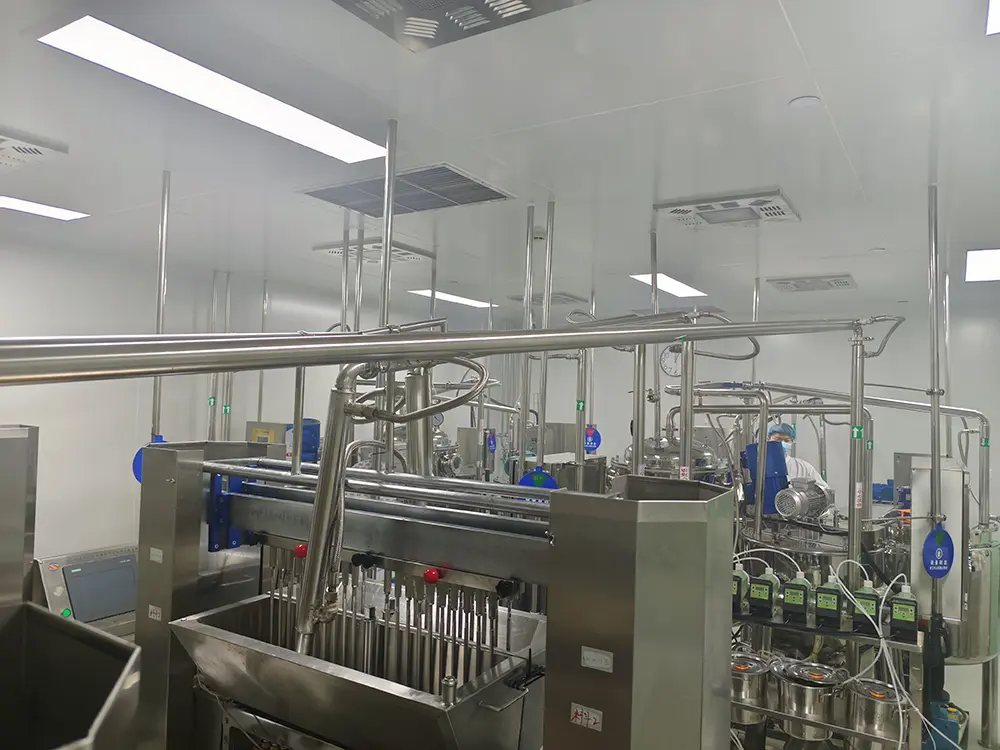
When manufacturers make gummy products at scale, the cooking and depositing process must be precisely controlled. The slurry is typically cooked at 110–120°C under vacuum to reduce moisture content to 18–22%. Vacuum cooking prevents browning (Maillard reaction) and preserves flavor integrity. The depositing temperature must match the gelling system: gelatin deposits at 65–75°C, while pectin deposits at 80–90°C to prevent premature setting in the nozzle. Mold design, nozzle diameter, and depositing speed must be calibrated to the specific formulation viscosity.
Quality Control
Critical quality parameters for gummy production include Brix consistency (target variance within ±0.5°Bx), moisture content uniformity (±1% across batches), water activity (below 0.65 for shelf stability), texture analysis (TPA hardness and elasticity within defined specifications), and active ingredient dosage accuracy (±5% for functional gummies). In-process checks at 30-minute intervals during continuous production are standard practice for certified facilities.
Scalability
Scaling from lab-batch (5–10 kg) to pilot-scale (100–500 kg) to full commercial production (1,000–5,000 kg per batch) requires systematic adjustment of heat transfer rates, mixing intensity, and cooling dynamics. Gelation kinetics behave differently at scale due to surface-area-to-volume ratio changes. A qualified contract manufacturer should conduct at least two pilot runs before committing to full production to validate that texture, appearance, and functional ingredient stability are maintained at commercial scale.
Regulatory Compliance
Gummy candy products face overlapping regulatory frameworks depending on classification and target market. In the United States, conventional gummies are regulated as food by the FDA, while gummies with added vitamins, minerals, or herbs may be classified as dietary supplements under DSHEA, requiring compliance with cGMP (21 CFR 111). In the European Union, gummy supplements fall under the Food Supplements Directive (2002/46/EC). Labeling requirements, permitted additive lists, and maximum dosage levels for functional ingredients vary significantly by jurisdiction. Heavy metal limits (lead, cadmium, arsenic, mercury) must meet both food and supplement standards, with California Proposition 65 imposing additional thresholds.
B2B Decision Guide
Selecting the right ingredient strategy and manufacturing partner is a high-impact decision for brands entering the gummy market. The following decision framework addresses the most critical evaluation dimensions.
Gelling Agent Selection
The choice between gelatin and plant-based alternatives is no longer optional—it is a market-positioning decision. Gelatin remains the cost-effective default for mainstream markets, offering superior texture and faster production cycles. Pectin and plant-based blends are mandatory for brands targeting vegan, halal, or clean-label consumer segments, despite higher raw material costs (typically 2–4x gelatin on a per-kilogram basis). A private label gummy program should offer both options to serve differentiated product lines from a single manufacturing base.
Functional Ingredient Integration
Not all bioactive ingredients are compatible with gummy matrices. Heat-sensitive probiotics require post-depositing addition methods (e.g., spray coating) or selection of thermally resistant spore-forming strains. Minerals like iron and copper can catalyze oxidative degradation of flavors and colors, requiring encapsulation or chelated mineral forms. Fat-soluble vitamins (A, D, E, K) need emulsification systems for uniform dispersion. Brands should request compatibility documentation and stability data for each functional ingredient before finalizing formulations.
Manufacturer Evaluation Criteria
When evaluating a gummy manufacturer for B2B partnerships, the following criteria should be assessed in order of priority: (1) Certification portfolio—GMP, ISO 22000, HACCP, BRC, and market-specific certifications (FDA, HALAL, KOSHER) are non-negotiable baseline requirements. (2) Production capacity and lead time—minimum order quantities, daily throughput, and scheduling flexibility determine scalability. (3) R&D capability—in-house formulation development, stability testing, and sensory evaluation capabilities indicate a manufacturer’s ability to support product innovation rather than simple toll manufacturing. (4) Quality system maturity—documented SOPs, in-house laboratory testing (not solely third-party), and batch-to-batch consistency data demonstrate operational reliability. (5) Regulatory support—ability to provide compliance documentation for target markets, including label review and ingredient qualification.
Conclusion
The formulation of gummy candy is a precise science that balances gelling chemistry, sweetness architecture, acid management, and functional ingredient compatibility. Gelatin remains the dominant gelling agent for its texture and processing efficiency, while pectin and plant-based systems are essential for meeting growing demand for vegan and halal-certified products. For B2B buyers, the key decision factors are gelling agent selection aligned with target consumer segments, validated functional ingredient integration, and partnership with a certified manufacturer capable of delivering consistent quality at commercial scale.
FAQ
What is the main ingredient in gummy candy?
The main structural ingredient is a gelling agent, most commonly gelatin (6–10% of formulation weight), which creates the characteristic chewy texture. Plant-based alternatives include pectin, carrageenan, and modified starch.
Are all gummy candies made with gelatin?
No. While gelatin is the most traditional and widely used gelling agent, a growing proportion of gummy products use plant-based gelling agents such as pectin or carrageenan to meet vegan, halal, and kosher dietary requirements.
What is the difference between pectin and gelatin gummies?
Pectin gummies have a softer, shorter texture and require low pH (3.0–3.5) and calcium for gelation. Gelatin gummies have a firmer, more elastic chew and set by helix formation on cooling. Pectin gummies are plant-based and more heat-stable; gelatin gummies melt near body temperature.
Can vitamins and supplements be added to gummy candy?
Yes. Vitamins (C, D, B-complex), minerals (zinc, magnesium), botanical extracts, and probiotics are commonly incorporated into functional gummy formulations. Each ingredient requires compatibility assessment for pH sensitivity, thermal stability, and interaction with the gelling matrix.
What certifications should a gummy manufacturer have?
A qualified gummy manufacturer should hold, at minimum, GMP, ISO 22000, HACCP, and FDA registration. Additional certifications such as HALAL, KOSHER, BRC, FSSC 22000, and Vegan certification expand market access and demonstrate quality system maturity.
How long does it take to produce a batch of gummy candy?
Production time varies by gelling system. Gelatin gummies can be demolded and packaged within 4–8 hours of depositing. Pectin gummies require 6–12 hours for full set. Starch-molded gummies require 24–48 hours of drying in starch trays before demolding and oiling.
About Gothink Biology Technology
Shenzhen Gothink Biotech Co., Ltd. is a leading dietary supplement manufacturer and nutrition supplement supplier based in China, providing comprehensive OEM, ODM, CMO, and CDMO services for global health brands. The company delivers end-to-end turnkey solutions spanning product consultation, formulation development, custom design, manufacturing, packaging, and marketing support.
Gothink’s R&D team is led by a co-founder and chief scientific advisor who served as a postdoctoral fellow and visiting scholar at the California Institute of Technology, Emory University, and Ohio State University. The chief scientist is a professor and doctoral advisor at the University of Science and Technology of China, with postdoctoral research experience at Cold Spring Harbor Laboratory, Emory University School of Medicine, and The Ohio State University, having published over 30 research articles in journals including Science and PNAS. This scientific foundation drives precise formulation development and manufacturing process innovation.
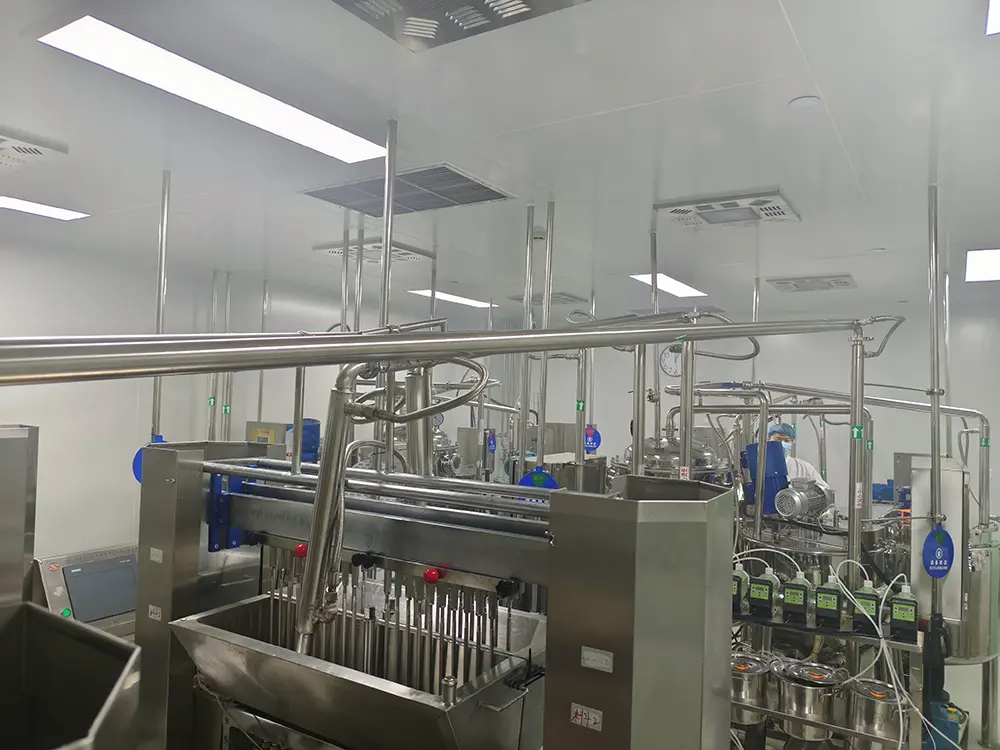
The company holds a comprehensive certification portfolio including ISO9001, ISO22000, HACCP, FDA, HALAL, GMP, KOSHER, BRC, FSSC 22000, PJPH, and Vegan. Manufacturing operations are conducted in a 100,000-class cleanroom GMP-certified facility, supported by a 10,000-class pharmaceutical-grade R&D laboratory. The facility achieves a daily output of 16 tons and an annual production capacity of 5,000 tons, with approximately 2,000 new product formulations researched annually.
Gothink specializes in gummy contract manufacturing using natural gelling agents such as pectin and carrageenan, offering full OEM/ODM customization from formula development and flavor design to molding and packaging. Services cover vitamin gummies, herbal-infused gummies, vegan gummies, and low-sugar options. In addition to gummies, the company manufactures capsules, tablets, powders, liquid drops, and other supplement formats, all supported by flexible minimum order quantities adaptable to startups, online sellers, retailers, and established brands.
Core capabilities emphasize customization at scale: tailored formulations for specific market segments, regulatory compliance support for multiple jurisdictions, and reliable bulk production and wholesale supply. From small trial runs to full-scale commercial production, Gothink provides integrated manufacturing solutions designed to transform product concepts into market-ready supplements efficiently and compliantly.