
Direct Answer: How to Prevent Gummy Melt and Deformation in Bulk Ocean Shipping
Melt and deformation during overseas bulk container shipping happens when gummy gel structure softens above its thermal threshold, surface moisture migrates, and cartons experience stacking pressure in a hot container. To prevent it, you need a coordinated system: a heat-resistant gel matrix, controlled water activity and Brix, validated drying and curing, a functional surface coating, high-barrier bulk packaging, and container-level thermal protection.
An experienced Gummy manufacturer approaches this as an engineering problem, not a packaging afterthought. Pectin-based systems typically tolerate higher temperatures than standard gelatin, water activity is driven below 0.70 for export lots, and coatings are selected to reduce blocking and moisture pickup. When formulation, process, and logistics are aligned, bulk gummy shipments can survive 35-50 day ocean routes through hot zones without clumping or shape loss.

Why Melt and Deformation Is a Commercial Risk for Supplement Brands
For supplement brand owners and private label buyers, a melted shipment is not a minor quality issue. It triggers full-lot rejections, retail chargebacks, and loss of consumer trust. Bulk shipments amplify the risk because thousands of units share the same container microclimate.
Container interiors on routes through the Middle East, Southeast Asia, or the southern US can reach 55-70°C at the ceiling and 40-50°C at pallet level for hours each day. Humidity inside a closed dry container swings widely between day and night, driving condensation and moisture uptake. For thermoreversible gels like gelatin, that temperature range is enough to soften structure, cause gummies to stick together, and permanently deform under weight.
The commercial decision after understanding this topic is whether your current formula and supplier are actually export-validated. A buyer needs to know what gel system was used, what final water activity was achieved, how the bulk pack was engineered, and whether the manufacturer has documented summer shipment history.
What Really Causes Gummies to Melt in Sea Containers
Container Environment vs. Lab Stability
Stability chambers test at 25°C/60% RH and 40°C/75% RH. A bulk sea container does not behave like a chamber. Steel walls absorb solar radiation, creating radiant heat that is retained overnight. During a long voyage, pallets on the top tier experience repeated heat spikes, while cartons near doors see moisture intrusion.
Deformation has two drivers: thermal softening of the gel and mechanical creep under load. A gummy that is marginally firm at 25°C may become pliable at 40°C and then flatten where it contacts other gummies or carton walls. This is why deformation is most common in bottom layers of bulk liners and in pouches that were overfilled.
Gel System Thermodynamics and Texture
Gelatin melts around 30-35°C, depending on bloom strength, concentration, and sugar solids. Standard 200-250 bloom gelatin gives excellent chew and clarity but has the lowest heat tolerance. It is thermoreversible, which means it will re-set on cooling but will not recover its original molded shape after compression.
Pectin, particularly high-methoxyl pectin, forms a gel through hydrogen bonding and hydrophobic interaction at high soluble solids and low pH. Its gel does not melt at typical container temperatures, making it more heat-stable for export. Modified starch and carrageenan blends are also used to raise thermal resistance, often in combination with pectin for texture tuning.
Texture is directly tied to this choice. Pectin provides a shorter, cleaner bite and better heat resistance. Gelatin provides elasticity. A trade-off is unavoidable, and it must be agreed with the brand before export lots are produced.
| Gel System | Heat Tolerance in Bulk Shipping | Typical Texture | Key Process Control |
| Gelatin 200-250 Bloom | Low; softens at 30-35°C; high blocking risk | Elastic, chewy, clear | Extended curing, low water activity, strong coating required |
| High-Methoxyl Pectin | High; does not melt at container temperatures | Short, tender bite | pH 3.2-3.6, Brix 78-82, precise acid dosing timing |
| Pectin + Modified Starch Blend | High; improved body and reduced syneresis | Slightly firmer than pure pectin | Starch hydration, cook temperature, drying balance |
| Low-Methoxyl Amidated Pectin / Carrageenan | Medium-High; calcium-dependent | Firm, brittle if not balanced | Calcium control, mineral ingredient compatibility |
Formulation Strategies for Heat-Resistant Gummies
Choosing the Right Gel System for Export
For overseas bulk shipping through heat zones, many B2B buyers shift from pure gelatin to pectin or pectin-starch systems. This is not just about melt point. Pectin gels maintain structure under compression at 45°C, reducing deformation in bulk liners. If gelatin is required for label or texture reasons, the manufacturer should increase solids, raise gelatin concentration moderately, and extend curing to lower water activity.
When evaluating options for private label gummies intended for multiple markets, ask the manufacturer for heat-stress test data at 45°C for 72 hours under light pressure. A simple visual check of blocking, oil separation, and shape retention predicts container performance better than room-temperature texture alone.
Solids, Brix, and Water Activity Control
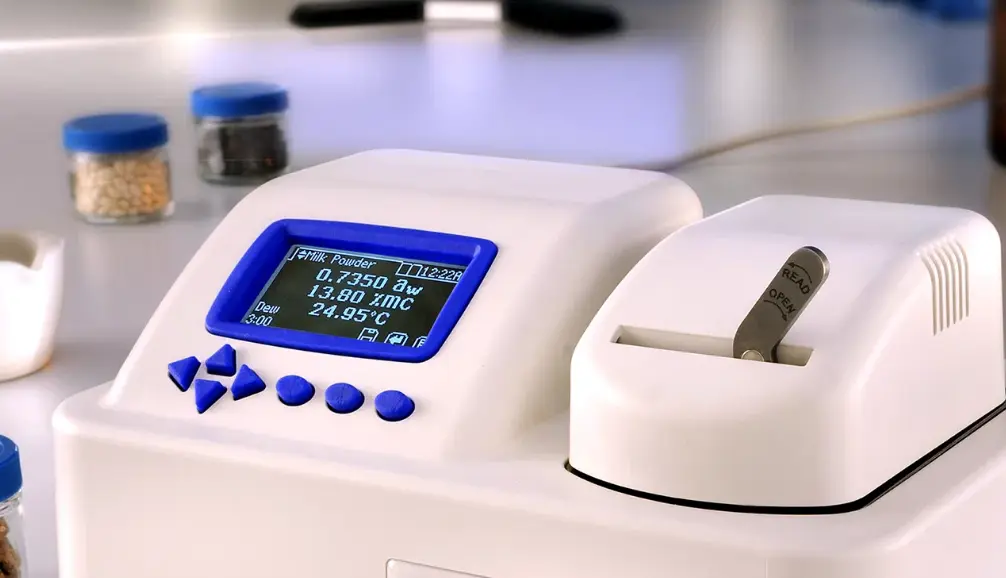
Water activity (Aw) is the most predictive metric for both microbial stability and deformation risk. Export lots should target Aw 0.60-0.72 for pectin and 0.65-0.75 for gelatin, depending on active ingredients and preservative system. Higher Aw means more free water, softer texture, and higher tendency to stick and deform.
Brix is controlled during cooking to 78-82 for most pectin gummies and 75-80 for gelatin. Under-cooked slurry leads to excess moisture that must be removed later by drying. Over-cooking degrades heat-sensitive actives like vitamin C, B vitamins, and natural flavors. The manufacturer balances cook temperature, vacuum level, and hold time to hit target Brix without excessive thermal exposure.
Drying or conditioning is where export stability is locked in. Gelatin gummies often require 24-72 hours in controlled drying rooms at 20-25°C and 20-35% RH. Pectin gummies require shorter but still controlled conditioning to equilibrate moisture. Skipping or shortening this step to meet a shipping deadline is a common cause of bulk melt complaints.
pH and Acid Management
pH affects both gel strength and active stability. Pectin requires pH 3.2-3.6 to set correctly. If citric acid is added too early or at too high a temperature, pectin can pre-gel or degrade, creating weak spots. Manufacturers buffer acid addition to the final stage, just before depositing, and control final pH within 0.1-0.15 units lot to lot.
For gelatin, low pH weakens bloom strength over shelf life. Brands adding acidic actives such as vitamin C, apple cider vinegar powder, or sodium ascorbate should expect softer texture if pH is not adjusted with sodium citrate buffering.
Coatings and Surface Barriers
Coating is not decorative for bulk export. It is functional. A coating reduces surface tack, prevents blocking, and slows moisture exchange.
- Oil + wax coating: MCT or fractionated coconut oil blended with carnauba wax or beeswax at 0.2-0.5% w/w provides anti-blocking and a slight moisture barrier. Over-application causes greasy appearance and rancidity risk.
- Pectin or starch film: Used for sugar-free or vegan labels where wax is not desired. Helps with handling but offers less moisture protection.
- Sugar sanding: Improves handling but can dissolve and recrystallize with humidity swings, causing clumping in bulk bags.
For bulk shipment, medium-chain triglyceride and wax coatings applied in a coating drum with precise spray and tumbling time perform better than manual oiling.
Active Ingredients That Increase Shipping Risk
Some ingredients directly raise melt or deformation risk. Hygroscopic minerals such as magnesium citrate, potassium citrate, and certain calcium salts pull moisture from air. High-dose botanical extracts with natural sugars soften texture. Liquid ingredients like apple cider vinegar or glycerin-based herbal extracts increase Aw.
When active loading exceeds 15-20% of gummy weight, gummy size must increase or serving count must change to maintain gel strength. A 2.5g gelatin gummy can carry less mineral load than a 3.5-4.0g pectin-starch gummy. This is a cost and compliance decision that should be finalized before export validation.
Process Controls That Determine Shipping Survival
The sequence matters. Concept and specification review defines target market, transit route, and seasonal risk. Formula development selects gel system and coating. Batch preparation controls solids and pH. Cooking controls Brix and active degradation. Mixing and homogenization ensures uniform active distribution, which prevents localized soft spots.
Depositing and molding must be consistent. Under-deposited or over-deposited cavities create weight variation and uneven drying. Cooling and setting locks initial shape. Drying removes free water to reach target Aw. Metal detection and inspection removes foreign material that can puncture bulk liners.
Quality control for export lots should include: in-process Brix, pH, deposit weight checks every 30-60 minutes, final Aw, texture analyzer firmness, and a 48-hour blocking test at 40°C in final bulk packaging. Shenzhen Gothink Biotech Co., Ltd. operates a GMP-certified facility with a 10,000-class R&D laboratory that supports this type of in-process validation for OEM and ODM gummy projects.
Packaging Engineering for Bulk Export
Primary bulk packaging must provide barrier and mechanical protection. For overseas shipments, single-layer PE bags are insufficient. A common export-validated structure is a food-grade PE inner liner plus a metallized PET or aluminum foil outer bag with heat seal, placed inside a corrugated master carton with dividers.
Critical packaging parameters include oxygen transmission rate, moisture vapor transmission rate, seal strength, and inclusion of food-grade desiccant where compatible. Bottles require induction-sealed liners and proper torque. Pouches require high-barrier laminates and tested seal integrity. For bulk, avoid vacuum packing gummies, as pressure accelerates deformation.
Master carton design affects heat and pressure. Over-stacking bulk bags creates pressure points. Cartons should have burst strength tested for sea transport and should include internal dividers to prevent bag movement. Palletization should avoid overhang and should use stretch film that allows some ventilation, not tight shrink that traps heat.
| Bulk Pack Option | Protection Level | Best Use Case | Risk if Underspecified |
| Single PE Liner in Carton | Low | Short domestic transit, low-risk season | Moisture uptake, clumping, odor absorption |
| PE Liner + Foil Bag + Desiccant | Medium-High | Standard ocean export for pectin gummies | Desiccant contact if not separated; seal failure |
| PE Liner + Foil Bag + Carton with Dividers | High | Bulk gelatin gummies, hot route, summer shipment | Higher pack cost but lower damage rate |
| Bottles with Induction Seal in Master Carton | Medium | Finished retail units shipped in bulk | Bottle deformation if Aw high; label damage |
Logistics Controls: Container, Pallet, and Seasonal Planning
Even a well-formulated gummy will fail in a poorly prepared container. Three logistics controls have measurable impact.
1. Container type and thermal protection: For high-risk products such as gelatin gummies or high-Aw formulas, consider a reefer container set at 15-20°C rather than a dry container. If dry container is used, install a container thermal liner or reflective thermal blankets, especially for top-tier pallets. Use container desiccant poles to control humidity, not just product-level desiccants.
2. Pallet placement and monitoring: Place sensitive lots away from container walls and roof where heat is highest. Avoid double-stacking pallets that exceed carton compression limits. Include a calibrated temperature and humidity data logger in at least two locations per container, one top and one middle, with data shared on arrival.
3. Seasonal routing: Plan shipments to avoid peak heat months on trans-equatorial routes if possible, or shift to reefer during June-September. Transit time matters. A 25-day direct route exposes product to less heat cycling than a 45-day transshipment with long port dwell times in hot climates.
Procurement teams should clarify Incoterms responsibility for thermal protection. Many freight forwarders do not include thermal blankets by default. Specify it in the booking.
How to Evaluate a Gummy Manufacturer for Export-Ready Private Label Gummies
When sourcing for overseas markets, evaluate a Gummy manufacturer on export-specific capabilities, not just domestic GMP certificates.
- Formulation R&D for heat-stable export: Can the team propose gelatin and pectin options with pros and cons, and recommend coating and Aw targets for your route?
- Pilot-to-commercial scale-up: Does the manufacturer run pilot trials for Brix, pH, texture, and Aw before commercial lot, and retain samples from each trial?
- Drying and conditioning capacity: What is the daily capacity of drying rooms, and how is Aw monitored? With approximately 16 tons daily capacity, a large-scale facility can maintain drying discipline even during peak season.
- Testing and quality systems: Look for ISO22000, HACCP, FSSC 22000, BRC, and FDA registration. Ask for in-process QC records, water activity release specs, and blocking test SOPs.
- Packaging capability: Can the facility do bulk foil bag sealing, desiccant inclusion, bottle induction sealing, and master carton validation in-house?
- Export documentation: Certificate of analysis, allergen statement, manufacturing process flow, and batch traceability should be standard. Regulatory support varies by market, so confirm what the supplier provides vs what you must handle locally.
- Summer shipment track record: Ask for anonymized data on bulk shipments through hot zones, complaints related to melt, and corrective actions.
A manufacturer that only discusses flavor and price without addressing gel system, Aw, and container strategy is not ready for bulk ocean export.
Cost, MOQ, and Lead Time Implications
Heat-stable export adds cost in three areas. Formulation cost rises when pectin, modified starch, or functional coatings replace basic gelatin and oil. Packaging cost rises when foil bags, thermal blankets, and container liners are added. Logistics cost rises when reefer containers are selected.
However, the cost of a rejected bulk lot is higher than incremental thermal protection. For gelatin gummies shipped in summer via dry container, damage rates of 5-15% have been observed when protection is minimal. Shifting to pectin and adding foil barrier plus thermal liner often reduces damage to under 1%, offsetting the added pack cost.
MOQ becomes commercially important when you require a dedicated heat-stable formula. A manufacturer may require a higher MOQ for pectin-based versions because of different starch mogul or silicone mold setups and longer changeover cleaning. Lead time extends by 2-5 days when extended drying is required. Buyers should provide route, destination month, container type, and whether goods will be stored in non-climate-controlled warehouses after arrival. This information allows accurate quotation and stability recommendation.
Common Mistakes That Lead to Melt Complaints
- Using domestic gelatin formula for export without reformulation or additional drying.
- Setting water activity above 0.75 to achieve softer chew, then shipping bulk in summer.
- Relying on single PE bag for bulk and omitting foil barrier and desiccant.
- Over-oiling gummies, which leads to oil migration and seal contamination.
- Booking dry containers without thermal liners for routes through 40°C+ ambient zones.
- Stacking pallets too high or using cartons with insufficient edge crush strength, causing creep deformation.
- Skipping data loggers, so there is no evidence whether damage was heat-related or packaging-related.
- Adding hygroscopic actives late in development without revalidating Aw and blocking.
Practical Checklist Before Booking Bulk Shipment
- Confirm gel system and target Aw range on COA. For export, request Aw ≤0.72 for pectin, ≤0.75 for gelatin.
- Confirm final Brix and drying time. Ensure lot was conditioned, not shipped hot off line.
- Confirm coating type and application rate. Request blocking test report at 40°C.
- Confirm bulk pack structure: inner liner, foil barrier, seal method, desiccant type and placement.
- Confirm master carton spec and pallet pattern. Test carton compression if shipping heavy bulk bags.
- Confirm container protection: thermal blanket, container liner, desiccant poles, reefer set point if applicable.
- Place calibrated data loggers top and middle pallet. Share logger IDs with consignee.
- Provide destination storage conditions to manufacturer so formula can be adjusted for downstream risk.
- Reserve production slot with extra 48 hours for QA hold and Aw re-test before release.
- Document everything in shipment file for insurance and supplier evaluation.
FAQ
What is the most heat-stable gummy format for overseas container shipping?
High-methoxyl pectin or pectin plus modified starch systems are the most heat-stable for bulk ocean shipping. They do not melt at container temperatures and maintain shape under compression better than gelatin when water activity is controlled. Gelatin can be used for export if Aw is driven low, coating is optimized, and thermal protection is added.
What water activity should I specify for bulk export lots?
For most export programs, specify Aw 0.60-0.72 for pectin gummies and 0.65-0.75 for gelatin gummies. Lower Aw improves heat and blocking resistance but makes texture firmer. Final Aw should be measured after conditioning, not immediately after depositing, and listed on the COA.
Does sugar coating prevent melting?
Sugar sanding improves handling but does not prevent melt. In high humidity, sanding can dissolve and cause clumping. For bulk containers, an oil and wax anti-blocking coating combined with foil barrier packaging is more effective than sugar alone.
Should I use reefer or dry container for gummies?
Use reefer at 15-20°C for gelatin gummies, high-Aw formulas, or summer shipments through hot zones. For pectin gummies with low Aw and foil barrier, a dry container with thermal liner and container desiccants is often sufficient. The decision depends on formula, season, route, and storage after arrival.
How does active ingredient loading affect deformation?
High-dose or hygroscopic actives such as minerals, vitamin C, and liquid botanical extracts increase free moisture and soften gel structure. This raises deformation risk under load. Solutions include increasing gummy weight, switching to a more robust gel system, reducing liquid carriers, and adding buffering salts. Active loading should be finalized before export validation.
What should I ask a gummy manufacturer before placing an OEM order for export?
Ask for gel system recommendation with heat-stress data, target Brix and Aw, drying process, coating composition, bulk pack bill of materials, master carton spec, and documented summer shipment experience. Request a blocking test at 40°C in final bulk packaging and inclusion of data loggers. Clarify MOQ, lead time, and what documentation is provided for customs and regulatory review.
Can packaging alone fix a heat-sensitive formula?
No. Packaging slows heat transfer and moisture uptake but cannot prevent a thermoreversible gel from softening above its melt point. Formulation and drying must provide baseline heat resistance. Packaging and logistics then protect that baseline during transit.
Commercial Next Step
Preventing melt and deformation in overseas bulk container shipping requires alignment between formulation, process, packaging, and logistics. Before finalizing your next order, share your destination, expected shipping month, container preference, and target texture with your manufacturing partner.
If you are evaluating suppliers for heat-stable private label gummies, review the supplier’s export packaging options, water activity release criteria, and thermal protection SOPs. Request a pilot lot tested at 40-45°C in final bulk pack and compare blocking and shape retention.
For technical consultation on gel system selection, Aw targets, and bulk export packaging, contact the manufacturer with your product specifications to request a custom formulation and OEM/ODM quotation.
Jack Luo|Senior Technical Advisor, Nutrition Research Center Representing Gothink Biology, a GMP-certified dietary supplement manufacturer based in Shenzhen, China.
Explore more formulation and manufacturing insights in our Knowledge Hub