
Abstract
The production of gummy bears involves a precise industrial process of mixing, cooking, molding, and finishing gelling agents with sweeteners and active ingredients. This article outlines the technical workflow from slurry preparation to final packaging, emphasizing quality control parameters essential for commercial production. It serves as a comprehensive guide for businesses seeking to understand the scale and compliance requirements of modern candy manufacturing.
Definition
How gummy bears are made refers to the complex food engineering process of transforming liquid raw materials—primarily gelatin or pectin, sugars, and flavorings—into solid, chewy confectionery products through starch moguls or depositing technology. This process requires strict thermal control, hygienic environments, and precise formulation to ensure consistent texture, shelf stability, and dosage accuracy.
The Production Process of Gummy Bears
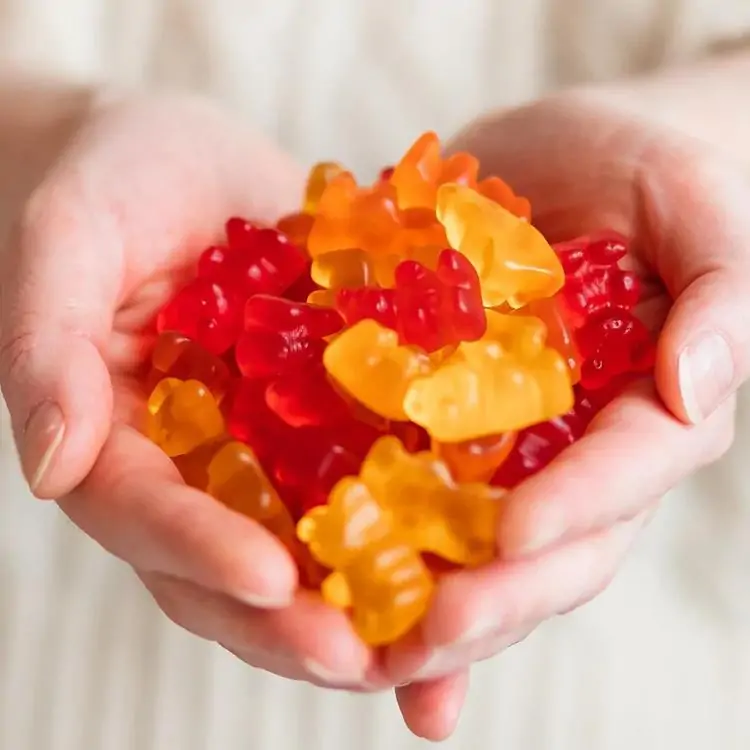
The creation of gummy bears on a commercial scale differs significantly from home cooking. It relies on automated machinery to ensure uniformity and efficiency. The core of gummy manufacturing lies in the precise handling of the gelling agent, typically gelatin or pectin, which determines the final texture.
1. Preparation and Mixing The process begins in the preparation room. Dry ingredients such as sugar, glucose syrup, and citric acid are blended with water. Simultaneously, the gelling agent is prepared. Gelatin requires “blooming” (absorbing water) before being melted, while pectin requires specific pH adjustments. This mixture creates a homogenous slurry known as the “gummy base.”
2. Cooking and Pasteurization The slurry is transferred to a cooker. High temperatures (typically above 120°C) are used to dissolve the remaining sugar crystals and pasteurize the mixture. This step is critical for eliminating microbial contamination and ensuring the product’s safety. Vacuum cooking may be employed to remove excess moisture without overheating the ingredients, which is crucial for preserving the potency of added vitamins or nutraceuticals.
3. Color and Flavor Infusion After cooking, the liquid mass is cooled to approximately 60°C–70°C. Heat-sensitive ingredients, including colors, flavors, acidulants, and active pharmaceutical ingredients (APIs) for functional gummies, are injected into the mix. High-shear mixers ensure these additives are distributed evenly to prevent “hot spots” of flavor or dosage.
4. Molding and Depositing The “mogul” system is the industry standard for molding. Starch trays, which are impressions of the bear shapes, are prepared. The liquid candy is deposited into these starch impressions. Alternatively, silicone molds are used for cleaner surfaces. The precision of the depositing pumps ensures every bear has the exact weight, a vital factor for quality control.
5. Setting and Cooling The filled trays move through curing tunnels or cooling chambers. The temperature and humidity are tightly controlled here. The gelling agents set, turning the liquid into a semi-solid gel. This curing period can last from a few hours to overnight, depending on the formulation (gelatin sets faster than pectin).
6. Demolding and Drying Once set, the gummy bears are separated from the starch molds using vibrating screens. Excess starch is removed. The bears then enter large drying rooms to reach the target moisture content (usually 18–22%). This step determines the “chew” and shelf life; too much moisture leads to mold, while too little makes the gummy hard.
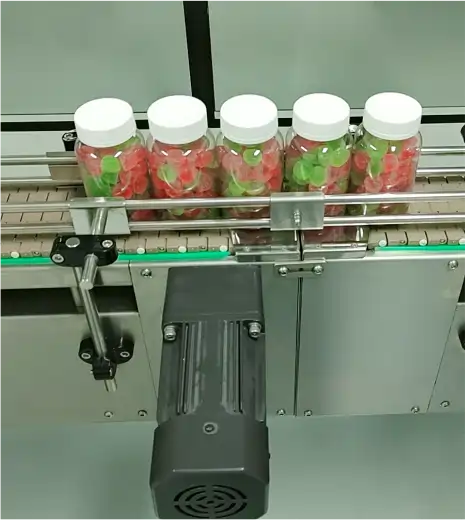
7. Finishing and Packaging Finally, the gummies are polished with oil or beeswax to reduce sticking and improve shine. They are then inspected visually or via laser sorting before being packaged in high-speed flow wrappers or jars.
Technical Parameters Table
The following table outlines critical control points in the production line:
| Process Stage | Key Parameter | Standard Range | Critical Control Point |
|---|---|---|---|
| Mixing | Brix (Sugar Content) | 78% – 82% | Ensures correct texture and sweetness |
| Cooking | Temperature | 120°C – 130°C | Pasteurization and micro-reduction |
| Depositing | Depositing Temp | 60°C – 70°C | Prevents thermal degradation of actives |
| Drying | Relative Humidity | 40% – 50% | Controls final moisture content (18-22%) |
Practical Insights for Production
Quality Control and Hygiene Manufacturing gummies for the nutraceutical market demands pharmaceutical-grade hygiene. Facilities must operate under GMP (Good Manufacturing Practice) standards, utilizing filtered air systems to prevent contamination. Cross-contamination is a significant risk when dealing with allergens like gelatin versus vegan alternatives like pectin.
Formulation Stability One of the biggest challenges is ingredient stability. Vitamins like Vitamin C can degrade rapidly in high-moisture, high-acid environments. Manufacturers must use encapsulated vitamins or adjust the pH balance of the slurry to ensure the product retains its potency throughout its shelf life.
Scalability and Equipment Transitioning from a pilot batch to mass production requires equipment that handles viscosity changes. High-viscosity mixers and positive displacement pumps are necessary to handle thick gelatin masses without shearing the structure, which affects the final “mouthfeel.”
Regulatory Compliance For functional gummies, compliance with FDA (or regional equivalent) dietary supplement regulations is mandatory. This includes rigorous testing for heavy metals, microbial limits, and accurate label claims regarding nutritional content.
B2B Decision Guide: Selecting a Manufacturing Partner
When sourcing a supplier for private label gummy bears, businesses must evaluate potential partners based on technical capability rather than just price. The market is saturated, but quality varies drastically.
Capacity and Lead Time Assess the daily output of the facility. For large-scale retail launches, a facility with a capacity of 5,000 tons annually ensures they can meet seasonal demand spikes without delays. Smaller labs may offer better customization but cannot handle bulk distribution.
R&D and Formulation Expertise The best Gummy Contract Manufacturing partners provide in-house R&D teams. They should be able to assist in creating unique formulations, such as sugar-free, pectin-based vegan options, or gummies with high bioavailability for active ingredients. Look for partners led by food scientists or pharma experts.
Certification Portfolio Verify the facility’s certifications. ISO 22000, HACCP, and GMP are non-negotiables for safety. Additionally, certifications like Halal, Kosher, and Vegan are essential for accessing specific global markets. A lack of these certifications creates immediate barriers to entry.
MOQ and Customization Understanding Minimum Order Quantities (MOQ) is vital for cash flow. Reputable manufacturers often offer flexible MOQs ranging from trial runs to full container loads, supporting brands at different growth stages. Ensure they offer comprehensive OEM/ODM services, from mold design to final packaging.
Conclusion
Understanding how gummy bears are made reveals a sophisticated intersection of culinary art and food science. The process requires precise control of thermal, chemical, and physical variables to produce a consistent, high-quality product. For businesses, success lies in partnering with manufacturers who prioritize compliance, scalable capacity, and rigorous quality assurance.
FAQ
What are the main ingredients used to make gummy bears? The primary ingredients are a gelling agent (usually gelatin or pectin), sweeteners (sugar, glucose syrup, or alternatives), flavorings, citric acid, and colorings.
What is the difference between gelatin and pectin gummies? Gelatin is animal-derived and provides a traditional elastic, clear texture. Pectin is plant-derived, often used for vegan gummies, resulting in a shorter, softer bite.
How long does the commercial gummy manufacturing process take? While the actual mixing and depositing happen quickly, the curing and drying phases can take anywhere from 24 to 48 hours to achieve the correct texture and moisture content.
Are gummy bears considered dietary supplements? Gummy bears can be classified as confectionery or dietary supplements depending on the formulation. If they contain added vitamins, minerals, or herbs to support health, they are regulated as dietary supplements and must meet specific labeling and manufacturing standards.
About the Manufacturer
Shenzhen Gothink Biotechnology Co., Ltd. is a premier dietary supplement manufacturer dedicated to delivering high-quality private label gummy bears and nutritional products. As a leading gummy bears company, we specialize in end-to-end OEM/ODM solutions, empowering global brands to turn concepts into market-ready products.
Our 100,000-class cleanroom facility and 10,000-class pharmaceutical-grade laboratory ensure world-class standards in safety and innovation. With a daily output of 16 tons and an annual capacity of 5,000 tons, we possess the scalability to support wholesale and bulk orders for businesses of all sizes. Our robust R&D team, led by US-postdoctoral scientists, develops over 2,000 new formulations annually, ensuring we stay at the forefront of health trends.
From Gummy Contract Manufacturing to capsules, powders, and tablets, we offer flexible MOQs and comprehensive support, including formulation, design, packaging, and regulatory compliance. Whether you require vegan, low-sugar, or functional gummies, Gothink Biotechnology is your trusted partner for reliable, customized manufacturing.