
Abstract
This guide explains the full process of how to make gummies at a commercial scale for brand owners entering the dietary supplement market. It covers formulation, production workflows, quality control, compliance requirements, and key considerations for selecting a manufacturing partner. The goal is to provide actionable, fact-based information that B2B buyers can use to make informed sourcing decisions.
Definition
How to Make Gummies for Your Brand refers to the end-to-end commercial process of formulating, producing, packaging, and branding gummy-based dietary supplements through contract manufacturing or in-house production facilities. It encompasses raw material selection, cooking and depositing processes, quality assurance protocols, and regulatory compliance required to bring a finished gummy product to market.
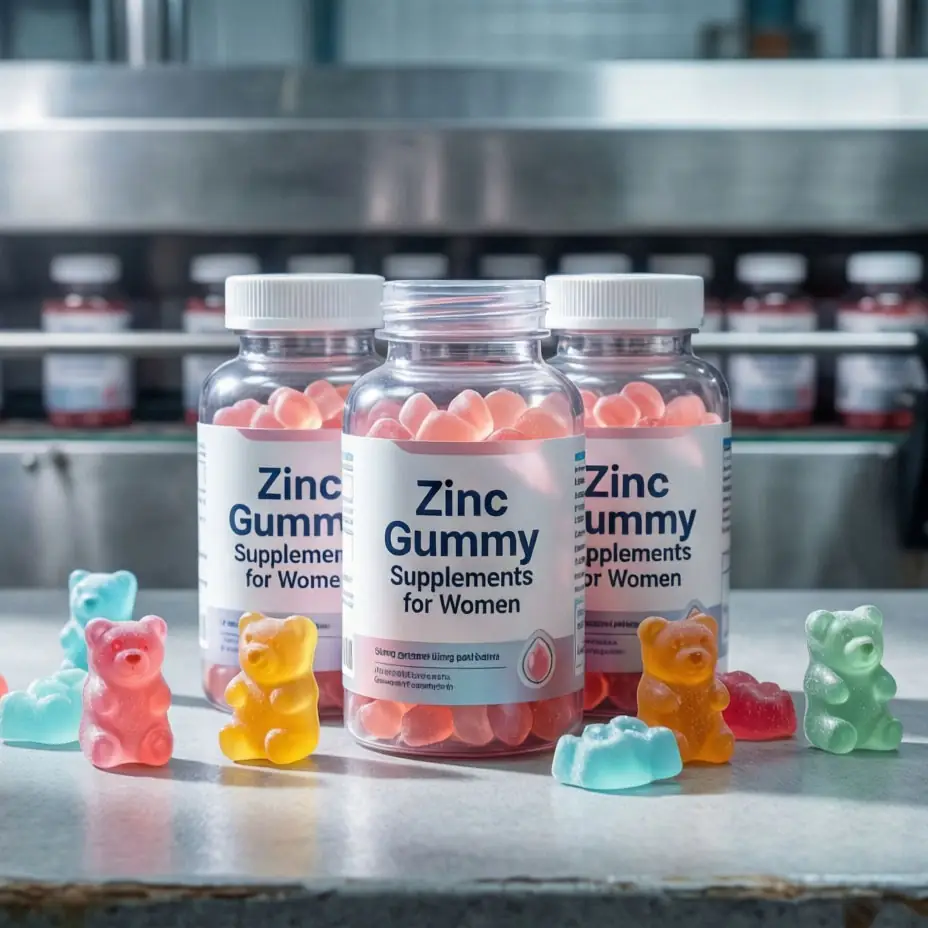
Step-by-Step Manufacturing Process
Step 1: Formulation Development
The first stage in commercial gummy production is creating a stable, bioavailable formula. This involves selecting active ingredients (vitamins, minerals, botanical extracts, or functional compounds), determining dosages, and choosing a gelling system. Pectin-based and gelatin-based are the two primary gelling systems. Pectin is preferred for vegan and halal products, while gelatin provides a traditional chewy texture. Formulation must account for ingredient interactions, moisture sensitivity, and thermal stability during cooking.
Step 2: Raw Material Sourcing and Testing
All raw materials must be sourced from qualified suppliers and tested for identity, purity, and contaminants before entering production. Certificate of Analysis (COA) verification is mandatory for each batch. Key raw materials include gelling agents, sweeteners (sucrose, glucose syrup, or alternative sweeteners like allulose), flavors, colors, and active nutritional compounds. Raw material quality directly determines the final product’s safety and consistency.
Step 3: Preparation and Cooking
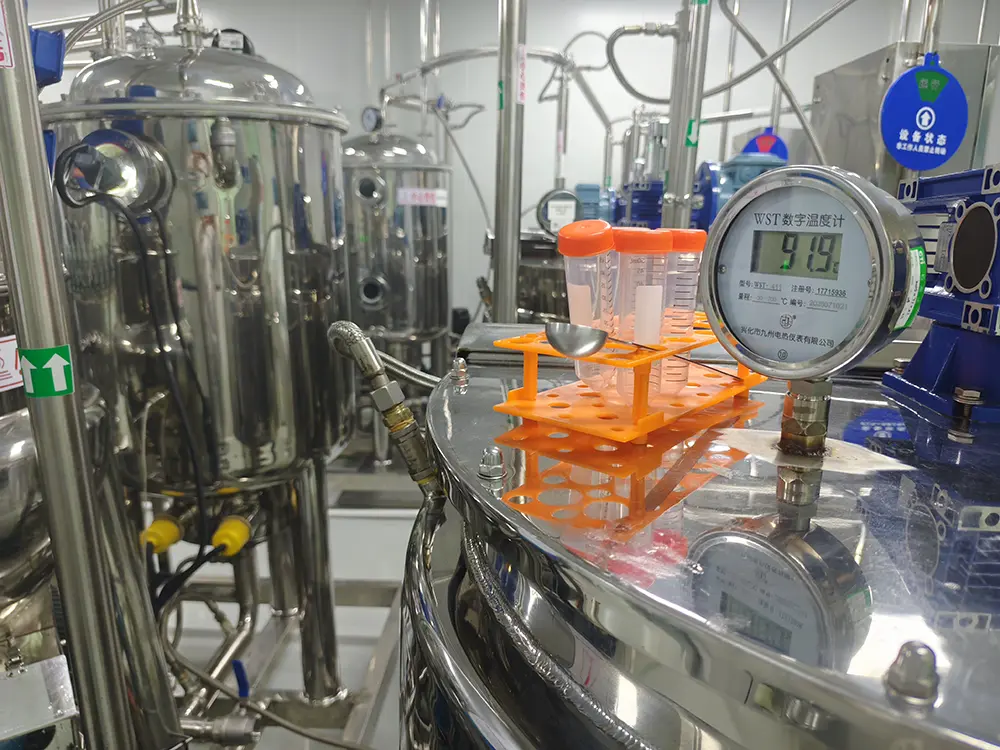
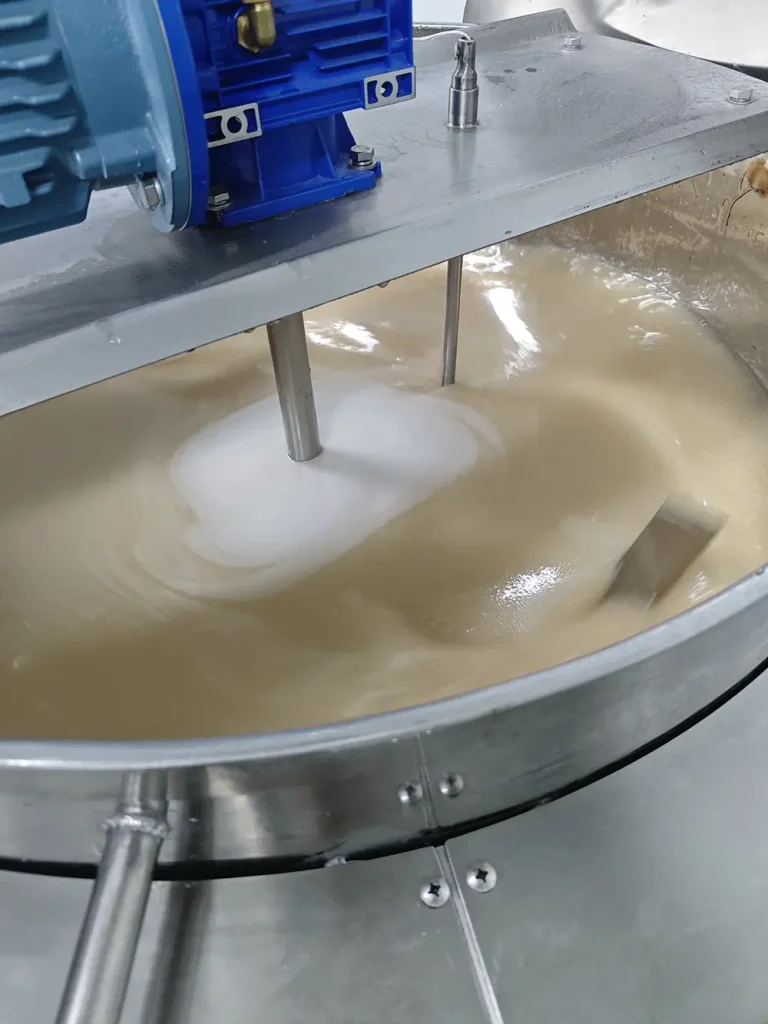
The cooking process begins with dissolving sugars and syrups in water under controlled temperature, typically between 110°C and 130°C, to achieve the correct Brix level. The gelling agent is then hydrated separately and combined with the syrup base. Active ingredients are added at a lower temperature stage (typically below 60°C) to prevent degradation of heat-sensitive compounds such as probiotics, vitamin C, or certain botanical extracts. The entire cooking process is monitored for temperature, time, and viscosity.
Step 4: Depositing and Molding
The gummy slurry is transferred to a starch mogul or silicone mold depositing system. In a starch mogul system, starch trays are impressed with mold shapes, the slurry is deposited, and the trays move through a controlled drying room. Silicone mold systems offer faster cycle times and reduced starch waste. Deposit weight accuracy is critical and must be maintained within a tight tolerance range, typically ±2%, to ensure consistent dosage per piece.
Step 5: Drying and Curing
After depositing, gummies enter a drying room or tunnel where temperature (typically 25°C–35°C) and humidity (typically 30%–45% RH) are tightly controlled. Drying time ranges from 12 to 48 hours depending on gummy size, gelling agent type, and target moisture content. The target final moisture level for pectin gummies is generally 18%–22%, and for gelatin gummies, 15%–20%. Proper curing ensures the correct texture, chewiness, and shelf stability.
Step 6: Demolding and Defrosting
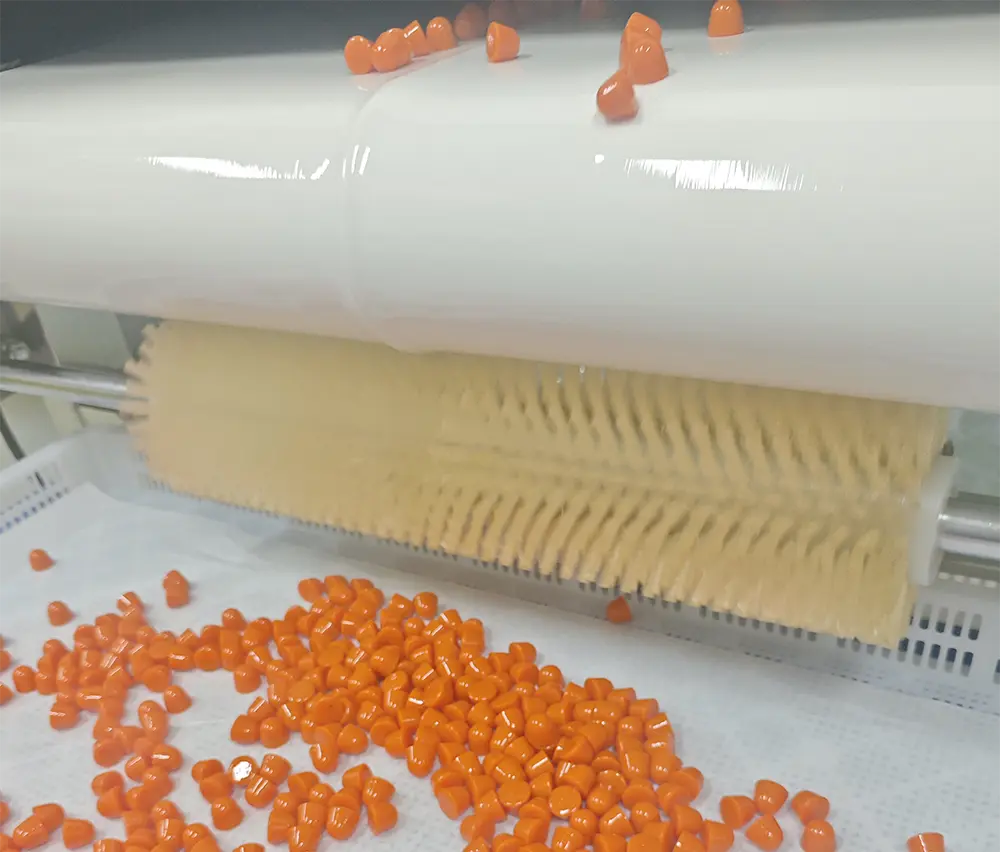
For starch-molded gummies, the starch is removed and the gummies are separated from the mold impressions. The gummies then pass through a defrosting or oiling process to remove residual starch from the surface. This step is essential for product appearance and consumer acceptance.
Step 7: Quality Control Testing
Finished gummies undergo a battery of quality tests including weight variation, texture analysis (hardness and elasticity), moisture content, active ingredient potency (via HPLC or other analytical methods), microbiological testing, and visual inspection. Products that fail any parameter are rejected or reworked. Statistical process control (SPC) data is recorded for each production batch.
Step 8: Packaging
Gummies are packaged in pouches, bottles, or blister packs with appropriate barrier properties to protect against moisture and oxidation. Desiccant packets are commonly included. Packaging must comply with labeling regulations in the target market, including ingredient lists, nutritional panels, allergen declarations, and dosage instructions.
Technical Parameter Table
| Parameter | Pectin Gummies | Gelatin Gummies |
|---|---|---|
| Gelling Agent Concentration | 1.5% – 2.5% | 6% – 10% |
| Cooking Temperature | 110°C – 120°C | 115°C – 130°C |
| Target Moisture Content | 18% – 22% | 15% – 20% |
| Drying Time | 18 – 48 hours | 12 – 36 hours |
| Drying Room Temperature | 25°C – 35°C | 20°C – 30°C |
| Drying Room Humidity | 30% – 45% RH | 30% – 40% RH |
| Shelf Life (Standard Packaging) | 18 – 24 months | 18 – 24 months |
| Dietary Suitability | Vegan, Halal, Kosher | Non-vegan (unless bovine substitute used) |
| Texture Profile | Softer, shorter chew | Firmer, elastic chew |
| Deposit Weight Tolerance | ±2% | ±2% |
Practical Insights
Production Considerations
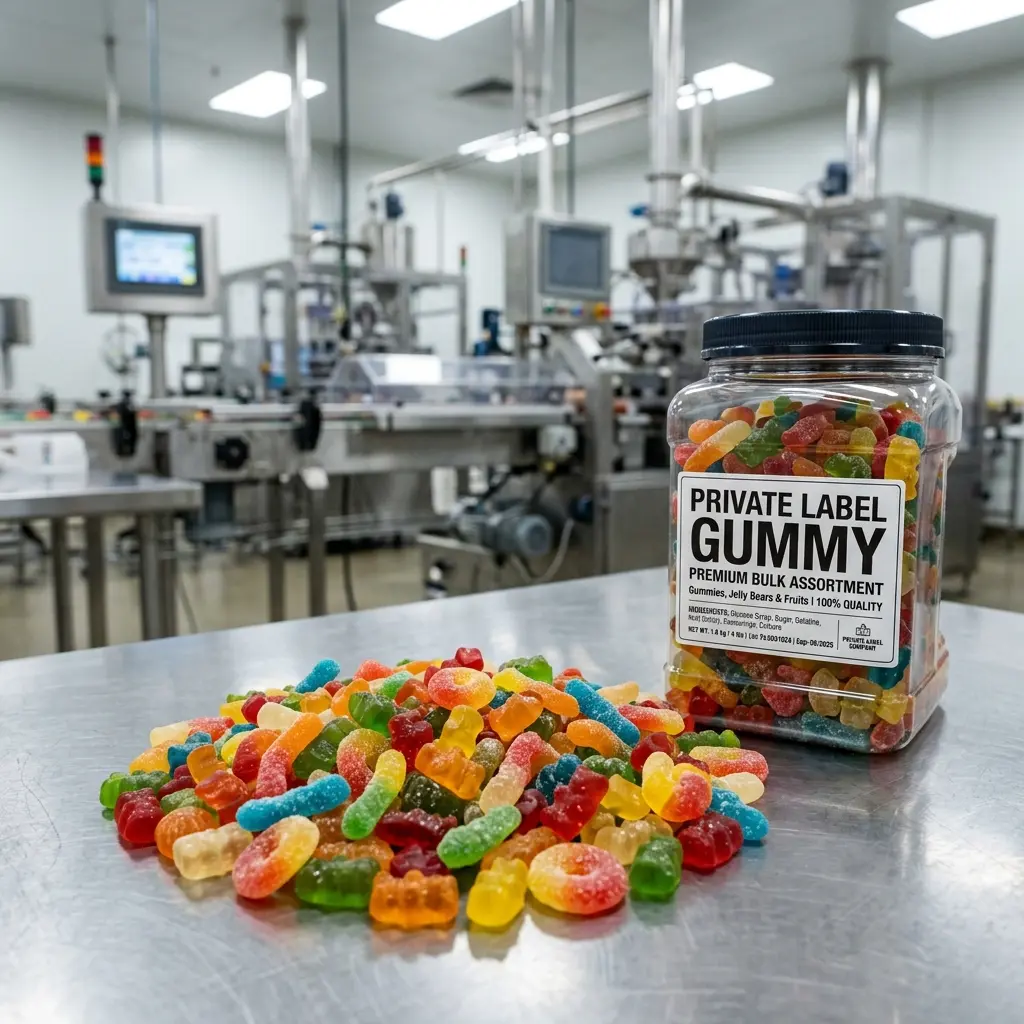
Commercial gummy production requires specialized equipment including jacketed cooking kettles, vacuum deaeration systems, precision depositors, and climate-controlled drying rooms. A properly equipped Gummy Factory will have separate zones for raw material handling, cooking, depositing, drying, and packaging to prevent cross-contamination. Production line speed varies from 50 to 500+ pieces per minute depending on equipment scale and mold configuration.
Quality Control
In-process quality checkpoints should be established at cooking (Brix and temperature), depositing (weight and appearance), drying (moisture and texture), and finishing (potency and microbiology). Every batch must retain samples for stability tracking. A robust quality management system aligned with ISO 22000 or FSSC 22000 provides the structural framework for consistent output.
Scalability
Brands should evaluate manufacturing partners based on their ability to scale from pilot batches (typically 5,000–10,000 units) to full commercial runs (500,000+ units) without reformulation. Equipment capacity, cleanroom size, and labor availability are the primary scalability constraints. A facility with an annual capacity of 5,000 tons can support multiple brand partners simultaneously while maintaining delivery schedules.
Regulatory Compliance
Gummy supplements must comply with regulations in the target market. In the United States, this means adherence to FDA cGMP (21 CFR Part 111) for dietary supplements. In the European Union, compliance with EU Food Supplements Directive (2002/46/EC) is required. Additional certifications such as HALAL, KOSHER, and Vegan broaden market access. Allergen management, heavy metal limits, and microbiological standards must meet or exceed regulatory thresholds.
B2B Decision Section
Choosing Between Contract Manufacturing and In-House Production
Most brands opt for contract manufacturing when entering the gummy supplement market. Building an in-house Gummy Factory requires capital investment typically ranging from $2 million to $10 million for a mid-scale operation, plus ongoing costs for qualified personnel, equipment maintenance, and regulatory audits. Contract manufacturing eliminates these barriers and allows brands to focus on marketing, distribution, and brand building. The break-even point for in-house production is generally reached at sustained annual volumes exceeding 10 million units.
Evaluating a Contract Manufacturer
When selecting a partner for private label gummies, brands should assess the following criteria: certification portfolio (GMP, ISO, FDA registration, BRC), production capacity and lead times, minimum order quantity (MOQ) flexibility, formulation R&D capability, quality control laboratory equipment, existing client references, and export experience. Request facility audit reports and sample products for evaluation before committing to a production run.
Cost Structure Understanding
Total unit cost for commercial gummies typically includes raw materials (40%–55%), manufacturing labor and overhead (20%–30%), packaging (10%–15%), and quality control and compliance (5%–10%). Price per unit decreases significantly at higher volumes due to raw material purchasing power and production line efficiency. Brands should request detailed cost breakdowns and compare at least three qualified manufacturers.
Intellectual Property and Exclusivity
Clarify ownership of custom formulations upfront. Some manufacturers retain formulation IP and offer it as a shared catalog, while others assign full IP rights to the brand client. Exclusivity agreements prevent the manufacturer from producing identical formulas for competing brands within a defined geography or time period.
Conclusion
Producing gummies at a commercial scale requires precise control over formulation, cooking, depositing, drying, and quality testing. Each stage has defined technical parameters that directly impact product safety, texture, potency, and shelf life. For most brands, partnering with an established contract manufacturer that holds relevant certifications, maintains robust quality systems, and offers flexible MOQs is the most efficient path to market. The decision should be based on verifiable production capability, transparent cost structures, and demonstrated regulatory compliance rather than pricing alone.
FAQ
What is the minimum order quantity for commercial gummy production?
MOQs vary by manufacturer. Flexible contract manufacturers typically offer MOQs starting from 30,000 to 50,000 units for standard formulations, with lower thresholds available for pilot or trial runs. Custom formulations may require higher initial orders due to raw material minimum purchase quantities and process validation requirements.
How long does it take to produce a batch of gummies from order to delivery?
Standard lead time is 30 to 45 business days for established formulations, including raw material procurement, production, quality testing, and packaging. First-time custom formulations may require 60 to 90 days to account for formula development, stability testing, and process optimization.
Are pectin gummies more expensive to produce than gelatin gummies?
Pectin raw material costs are generally 20%–40% higher than gelatin on a per-kilogram basis. However, pectin requires lower concentration in the formula, which partially offsets the cost difference. The total cost premium for pectin gummies is typically 10%–20%, but this is often justified by broader dietary label claims (vegan, halal, kosher) that increase market value.
What certifications should a gummy manufacturer have?
A qualified gummy supplement manufacturer should hold at minimum: GMP certification, ISO 22000 or FSSC 22000, and FDA registration (for U.S. market products). Additional valuable certifications include HACCP, BRC, HALAL, KOSHER, and Vegan. Certification scope must cover the specific production category of dietary supplements, not just general food manufacturing.
Can heat-sensitive ingredients like probiotics be added to gummies?
Yes, but with limitations. Heat-sensitive actives must be added post-cooking at temperatures below 50°C–60°C, or applied as a post-production coating. Probiotic gummies require specialized encapsulation technology to ensure organism survival. Potency at end of shelf life must be validated through accelerated and real-time stability studies.
What are the most common quality issues in gummy production?
The most frequently reported issues include: sticking or blooming (surface moisture migration), inconsistent piece weight, color variation between batches, ingredient settling causing uneven distribution, and texture defects from improper drying. These issues are primarily controlled through process parameter discipline, environmental control, and in-line quality monitoring.
This article is provided by Gothink Biology, a globally recognized dietary supplement manufacturer, offering.
Shenzhen Gothink Biotech Co., Ltd. is a global leading nutrition supplement supplier and dietary supplement manufacturer specializing in OEM, ODM, CMO, and CDMO services for health and wellness brands worldwide. With extensive industry expertise and international certifications including ISO9001, ISO22000, HACCP, FDA, HALAL, GMP, KOSHER, BRC, FSSC 22000, PJPH, and Vegan, we deliver high-quality custom formulation, contract manufacturing, and wholesale solutions for B2B clients across global markets.
Our co-founder and chief scientific advisor have served as postdoctoral fellows and visiting scholars at the California Institute of Technology, Emory University, and Ohio State University. Their deep expertise in plant extraction and biomanufacturing has elevated our R&D and manufacturing capabilities to a leading level in the dietary supplement and raw material industry, excelling in product formulation, manufacturing processes, and quality assurance.
We specialize in a wide range of custom manufacturing services, including gummy, capsule, tablet, powder, liquid, and drop supplement manufacturing. We provide end-to-end turnkey solutions covering product consultation, formulation development, custom design, manufacturing, packaging, and marketing support.
Our GMP-certified facility features a 100,000-class cleanroom, with a daily output of 16 tons and an annual capacity of 5,000 tons — ensuring fast, reliable delivery. Our team is led by postdoctoral researchers from U.S. universities and is supported by a 10,000-class pharmaceutical-grade laboratory, enabling precise and innovative formulations. We conduct formulation research on 2,000 new products annually.
From small trial runs to full-scale production, we provide adaptable solutions for online sellers, retailers, brands, and startups. We provide full support from formulation and design to compliance and export, making it easy to launch and grow your supplement product line.
For more information, please visit our official website: https://gothinkbio.com/ or contact our expert team.