
Abstract
Producing gummies that satisfy FDA regulations and international quality benchmarks requires a systematic approach spanning raw material selection, formulation design, controlled manufacturing, and rigorous testing. This guide outlines the complete process for commercial gummy production with emphasis on compliance, scalability, and quality assurance. It is intended for B2B professionals seeking to develop private label gummies or establish contract manufacturing partnerships.
Definition
How to make gummies that meet FDA and global quality standards refers to the structured manufacturing process of producing gelatin-based or pectin-based chewable dietary supplements in compliance with Title 21 CFR regulations, cGMP requirements, and equivalent international frameworks such as EU Directive 2002/46/EC, Health Canada NHPD standards, and TGA Australia guidelines. The process encompasses ingredient sourcing, formulation development, cooking and depositing, conditioning, coating, packaging, and third-party analytical verification.
Step-by-Step Manufacturing Process
Step 1: Raw Material Qualification
Every ingredient used to make gummies must be accompanied by a Certificate of Analysis (COA) from an accredited supplier. Raw materials include gelling agents (gelatin, pectin, or carrageenan), sweeteners (sucrose, glucose syrup, or allulose), active ingredients (vitamins, minerals, botanical extracts), flavors, colors, and acidity regulators. Each batch must be tested for identity, purity, potency, and contaminants including heavy metals, microbials, and pesticides before entering the production line.
Step 2: Formulation Development
Formulation determines the texture, stability, and bioavailability of the final product. A typical gummy base contains 65-80% syrup solids, 6-10% gelling agent, and the remaining balance allocated to active compounds, flavors, and acidulants. When formulating, manufacturers must account for heat-sensitive actives such as probiotics and certain vitamins, which may require post-depositing addition or microencapsulation. A qualified Gummy Factory maintains a library of validated base formulations that can be adapted for specific nutritional profiles.
Step 3: Cooking and Mixing
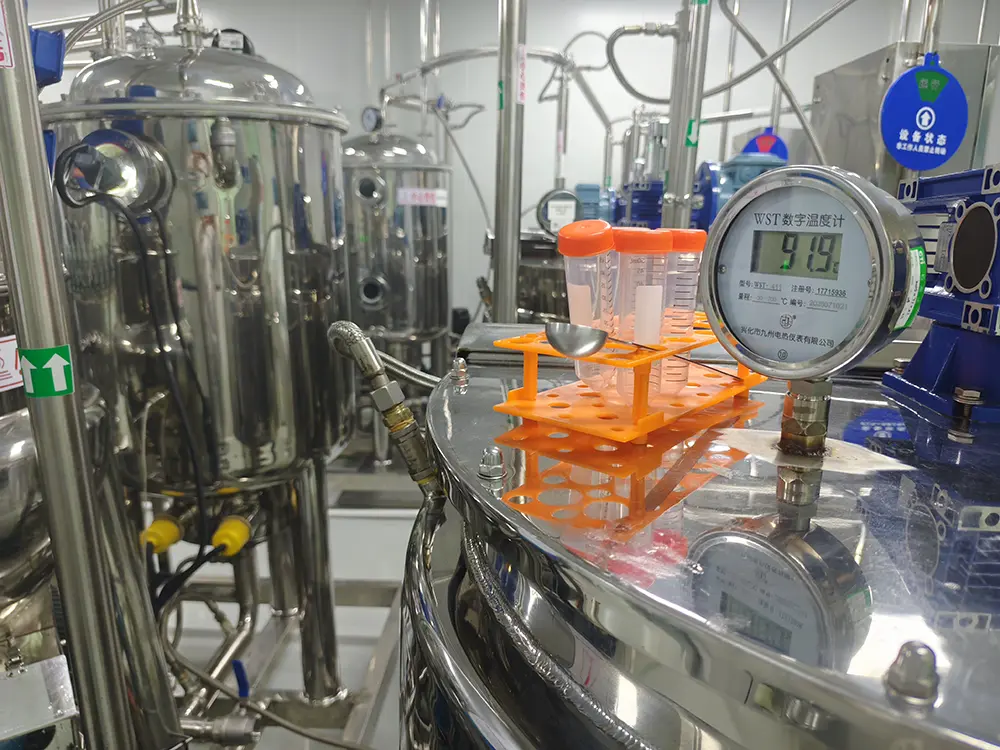
The cooking stage involves dissolving the gelling agent in water under controlled temperature conditions. Gelatin-based recipes typically cook at 70-80 degrees Celsius, while pectin-based formulations require temperatures above 90 degrees Celsius for proper gelation. Syrup is prepared separately by dissolving sugars and corn syrup, then combined with the gelling solution. Active ingredients are incorporated at the lowest effective temperature to minimize degradation. The mixing vessel must maintain consistent agitation to prevent uneven distribution of actives.
Step 4: Depositing and Molding
The cooked slurry is transferred to a starch depositor or silicone mold depositor. Starch molding remains the industry standard for high-volume production, offering faster cycle times and lower tooling costs. Silicone mold depositing is preferred for smaller batches or complex shapes. Deposit weight accuracy must be maintained within plus or minus 3% to ensure consistent dosing. Mold temperature and ambient humidity are controlled to prevent premature setting or sticking.
Step 5: Conditioning and Drying
Freshly deposited gummies contain 18-25% moisture and must be conditioned to reach the target moisture content of 10-15%, depending on the formulation. Conditioning typically takes 24-72 hours in a climate-controlled room at 20-25 degrees Celsius and 40-50% relative humidity. Improper conditioning leads to issues including sticking, deformation, crystallization of sugars, and reduced shelf life.
Step 6: De-molding and Coating
After conditioning, gummies are separated from starch molds using vibration and air blow systems. Residual starch is removed through oil spraying or brushing. Anti-caking agents such as carnauba wax, beeswax, or vegetable oil may be applied in a coating drum. For sugar-coated or sour-dusted variants, a secondary coating process is performed after the initial drying stage.
Step 7: Packaging and Labeling
Final products are packaged in moisture-barrier materials such as aluminum foil pouches or HDPE bottles with desiccant packets. Labeling must comply with FDA 21 CFR Part 101 for nutrition facts, Supplement Facts panel formatting, allergen declarations, and net quantity statements. For international markets, additional labeling requirements apply under EU FIC Regulation 1169/2011 and equivalent local regulations.
Technical Parameter Reference
| Parameter | Gelatin-Based Gummies | Pectin-Based Gummies | Regulatory Reference |
|---|---|---|---|
| Cooking Temperature | 70-80 degrees C | 90-105 degrees C | cGMP thermal process validation |
| Target Moisture Content | 12-15% | 10-13% | FDA moisture limit for shelf stability |
| Deposit Weight Tolerance | Plus or minus 3% | Plus or minus 3% | 21 CFR 101.9 dosing accuracy |
| Water Activity (Aw) | Below 0.65 | Below 0.60 | FDA microbial stability threshold |
| Shelf Life (standard) | 18-24 months | 18-24 months | ICH Q1A(R2) stability testing |
| Heavy Metal Limits (Pb) | Below 0.5 ppm | Below 0.5 ppm | FDA CDAR lead action level |
| Conditioning Duration | 24-48 hours | 36-72 hours | Internal SOP based on moisture profiling |
Practical Insights
Production Considerations
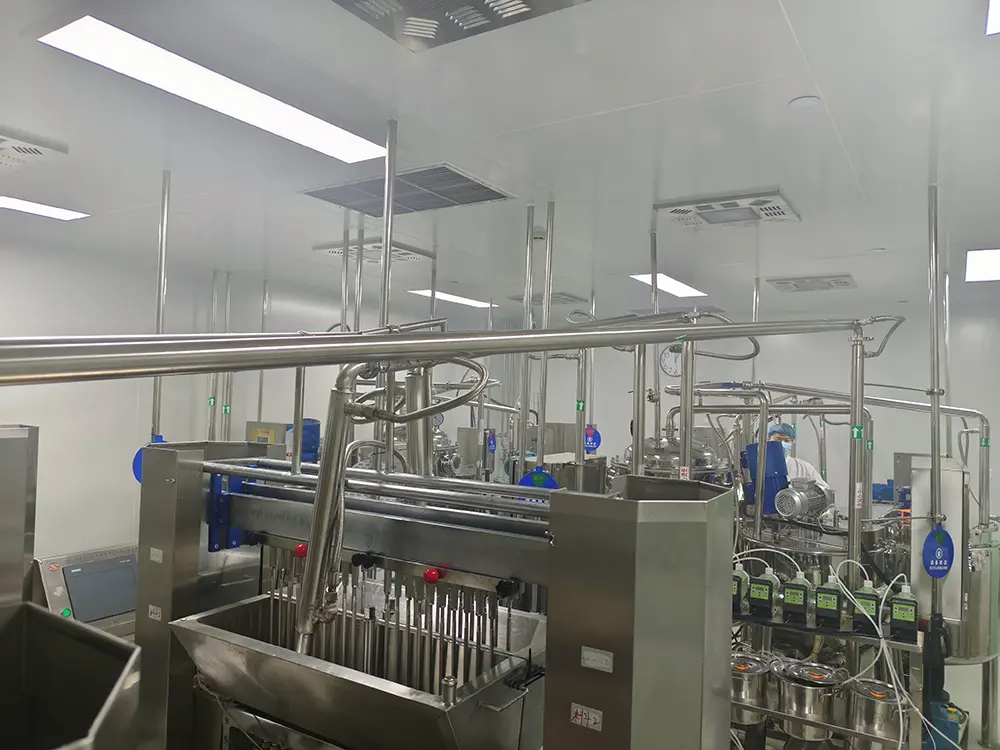
When you make gummies at commercial scale, batch-to-batch consistency is the primary operational challenge. Key variables include syrup Brix level, gel concentration, cooking time, and depositing speed. Automated process control systems that monitor these parameters in real time significantly reduce variance. A properly equipped Gummy Factory should feature PLC-controlled cooking vessels, inline refractometers, and automated depositors with weight-check rejection systems.
Quality Control Framework
A compliant quality control program for gummy manufacturing must include incoming raw material testing, in-process checks at each critical control point, and finished product release testing. Minimum release testing should cover identity and potency of active ingredients, heavy metals (lead, cadmium, arsenic, mercury), microbiological contamination (total plate count, E. coli, Salmonella, yeast and mold), and physical attributes (weight, texture, appearance). All testing must be performed by accredited laboratories following validated methods such as USP, AOAC, or equivalent pharmacopeial standards.
Scalability
Scaling from pilot batch (5-20 kg) to full production (500-2000 kg per batch) requires systematic process validation. Critical parameters identified at pilot scale must be re-confirmed at production scale through at least three consecutive validation batches. Equipment sizing, heat transfer rates, and cooling dynamics all change significantly at scale, and failure to re-validate commonly results in texture inconsistency or active ingredient degradation.
Regulatory Compliance
FDA compliance for dietary supplement gummies falls under 21 CFR Part 111 (cGMP for dietary supplements). This regulation mandates written master manufacturing records, batch production records, quality control unit oversight, deviation investigations, and complaint handling procedures. For brands targeting international distribution, additional registrations or notifications may be required, such as EU health claim compliance under Regulation 1924/2006, Health Canada Natural Product Number (NPN) licensing, or TGA listed medicine registration in Australia.
B2B Decision Guide
Choosing a Contract Manufacturing Partner
When evaluating a contract manufacturer for private label gummies, B2B buyers should assess the following criteria in order of priority: regulatory certification portfolio (FDA registration, GMP, ISO 22000, BRC, FSSC 22000), production capacity and lead time, formulation development capability, minimum order quantity flexibility, and traceability systems. A manufacturer holding multiple international certifications demonstrates a robust quality management system that can satisfy diverse market requirements from a single production line.
Cost Structure Analysis
The unit cost to make gummies commercially is determined by raw material cost (typically 30-45% of total), manufacturing labor and overhead (20-30%), packaging (15-20%), quality control and compliance (5-10%), and logistics (5-10%). Gelatin-based gummies generally cost 10-20% less to produce than pectin-based alternatives due to lower raw material costs and shorter processing times. However, pectin-based formulations command a retail price premium of 25-40% due to vegan and clean-label positioning.
Risk Mitigation
Common supply chain risks in gummy production include raw material shortages (particularly for specialty pectin grades and novel active ingredients), regulatory changes affecting allowable ingredients or label claims, and quality failures requiring batch rework or destruction. B2B buyers should require contractual provisions for ingredient substitution protocols, regulatory monitoring services, and product recall insurance from their manufacturing partners.
Time-to-Market Timeline
A typical private label gummies project from initial concept to shelf-ready product follows this timeline: formulation development (2-4 weeks), pilot batch and validation (2-3 weeks), regulatory review and label approval (2-4 weeks), production batch manufacturing (1-2 weeks), and packaging and finishing (1 week). Total lead time ranges from 8 to 14 weeks depending on formulation complexity and regulatory requirements. Projects involving novel ingredients or structure-function claims may require additional time for substantiation documentation.
Conclusion
Manufacturing gummies that meet FDA and global quality standards demands rigorous attention to raw material qualification, process control, environmental conditions, and analytical verification at every production stage. The difference between a compliant product and a regulatory liability lies in the depth of the quality management system behind the production line. For B2B brands, selecting a certified contract manufacturer with proven scale capability and formulation expertise is the most consequential decision in the product development process.
FAQ
What certifications should a gummy manufacturer have?
A qualified gummy manufacturer should hold, at minimum, FDA dietary supplement facility registration, cGMP compliance, ISO 22000 or FSSC 22000 for food safety, and BRC certification. Additional certifications such as HALAL, KOSHER, and Vegan accommodate specific market segments.
What is the minimum order quantity for commercial gummy production?
Minimum order quantities vary by manufacturer but typically range from 30,000 to 100,000 units for the first production run. Some manufacturers offer lower MOQs for pilot or trial orders, though the per-unit cost increases significantly at smaller batch sizes.
Can heat-sensitive ingredients like probiotics be used in gummies?
Yes, but they require specialized handling. Probiotics and certain vitamins (such as vitamin C and B-complex) are heat-sensitive and should be added post-cooking through direct incorporation into the cooled slurry or applied as a post-depositing coating. Microencapsulation technology can also improve thermal stability during processing.
How long does it take to develop a new gummy formulation?
Standard formulation development typically requires 2 to 4 weeks, including bench-top trials, texture optimization, and stability assessment. Complex formulations involving multiple active ingredients, novel delivery systems, or specialized dietary requirements (such as sugar-free or allulose-based) may require 4 to 8 weeks.
What are the main differences between gelatin and pectin gummies?
Gelatin gummies offer a traditional chewy texture, faster setting time, and lower production cost. Pectin gummies provide a softer, tender bite, are plant-based and vegan-compatible, and have higher thermal stability but require longer conditioning times and higher cooking temperatures. Pectin gummies are increasingly preferred for clean-label and vegan product positioning.
What testing is required before a gummy batch can be released?
Finished product release testing should include: active ingredient identity and potency assay, heavy metals panel (lead, cadmium, arsenic, mercury), microbiological testing (total aerobic count, coliforms, E. coli, Salmonella, yeast and mold), water activity measurement, and physical inspection (weight, appearance, texture). All methods must be validated and performed under accredited laboratory conditions.
This article is provided by Gothink Biology, a globally recognized dietary supplement manufacturer, offering.
Shenzhen Gothink Biology Technology Co., Ltd. is a global leading nutrition supplement supplier and dietary supplement manufacturer specializing in OEM, ODM, CMO, and CDMO services for health and wellness brands worldwide. With extensive industry expertise and international certifications including ISO9001, ISO22000, HACCP, FDA, HALAL, GMP, KOSHER, BRC, FSSC 22000, PJPH, and Vegan, we deliver high-quality custom formulation, contract manufacturing, and wholesale solutions for B2B clients across global markets.
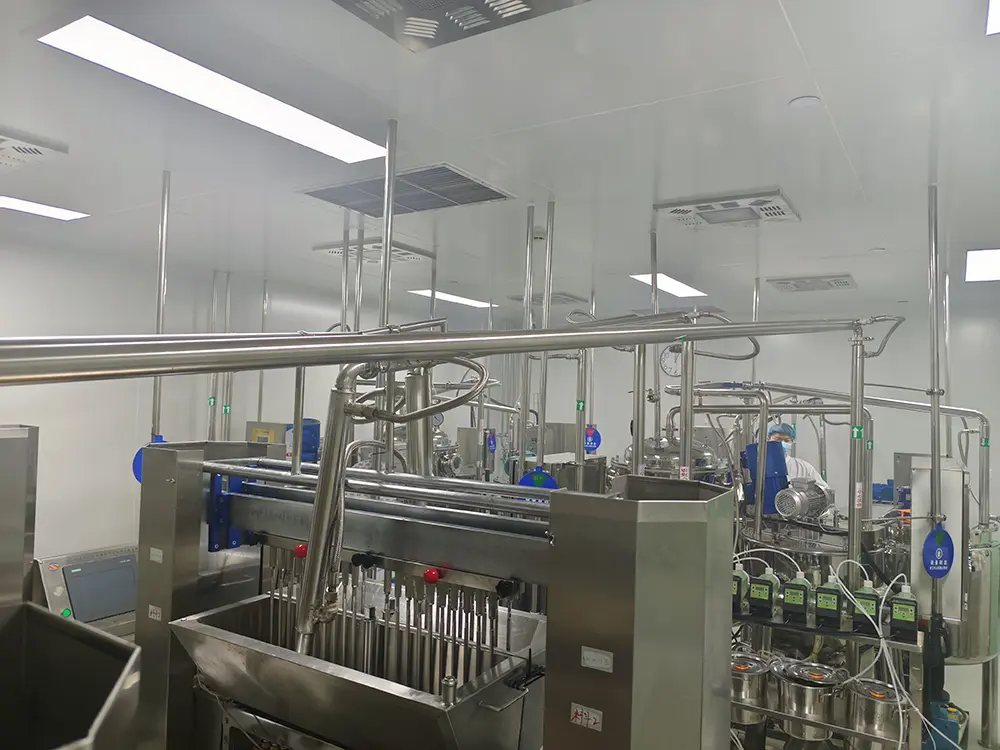
We specialize in a wide range of custom manufacturing services, including gummy, capsule, tablet, powder, liquid, and drop supplement manufacturing. Our GMP-certified facility features a 100,000-class cleanroom with a daily output of 16 tons and an annual capacity of 5,000 tons. Our 10,000-class pharmaceutical-grade R&D laboratory supports precise and innovative formulation development, and we conduct formulation research on 2,000 new products annually.
For more information, please visit our official website: https://gothinkbio.com/ or contact our expert team.