
Abstract
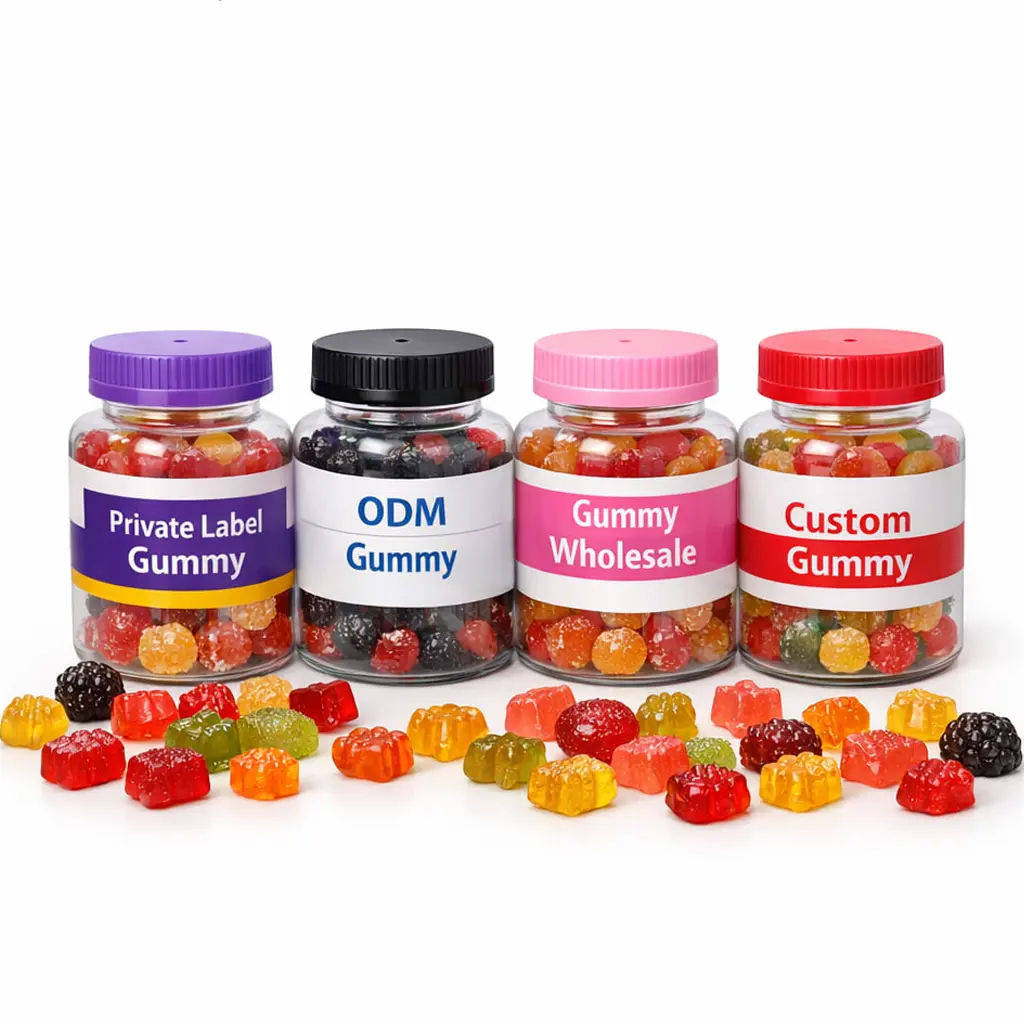
Launching a new gummy product quickly requires more than just ambition—it demands a production ecosystem built for speed. This article breaks down the exact operational levers that professional Gummy Manufacturing facilities use to compress timelines from formula concept to finished inventory. For B2B brands, we provide a practical framework to evaluate partners based on their ability to deliver speed, regulatory readiness, and batch-to-batch consistency, all while keeping market compliance front and center.
Definition
Make Gummies Faster is not about rushing; it is the disciplined application of concurrent engineering, pre-tested recipe libraries, and adaptive production lines to cut total lead time across R&D, sourcing, compounding, forming, curing, testing, and packaging. The goal is to remove non-value-added waits—such as redundant formulation trials, external lab queues, and sequential handoffs—so that brands can capture market windows without compromising the sensory, potency, or safety standards that define premium supplements.
Main Content: The Operational Blueprint for Accelerated Gummy Launches
1. Ready-to-Use Formulation Libraries That Eliminate the “Blank Page” Phase
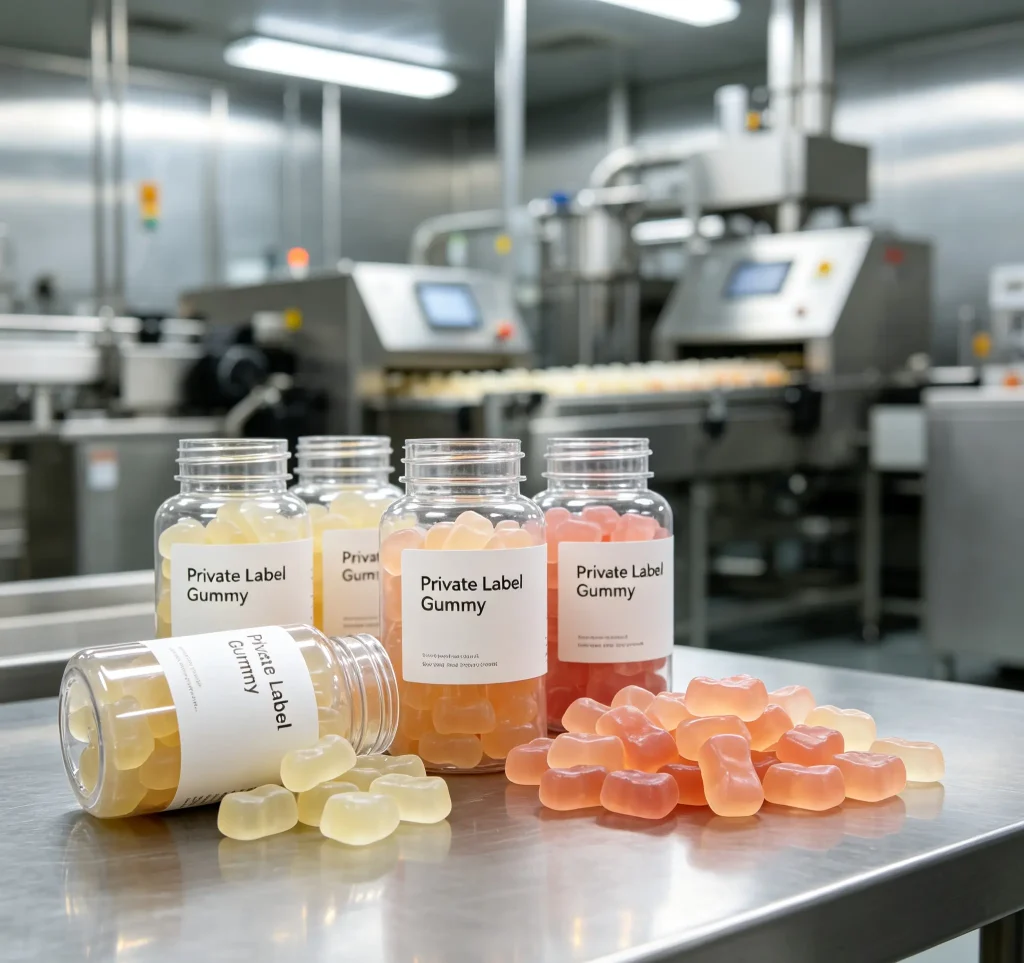
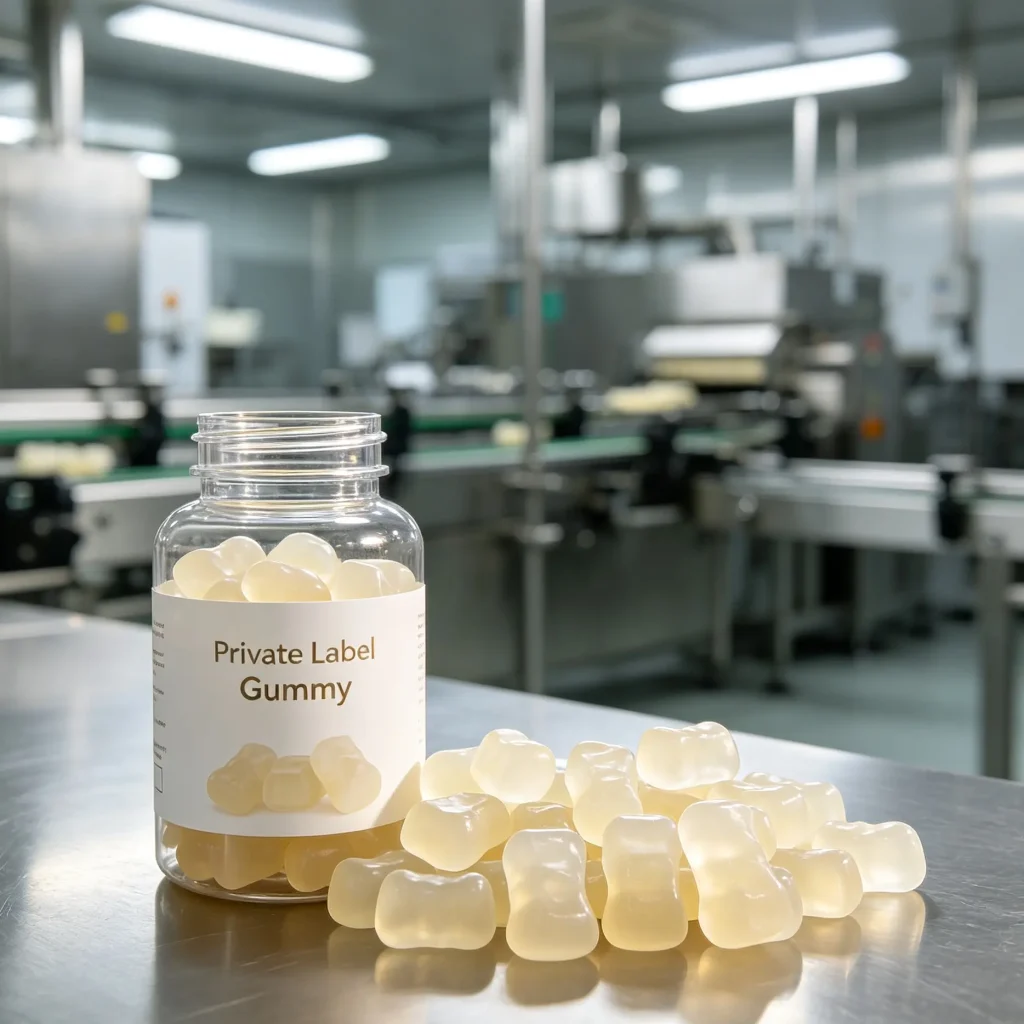
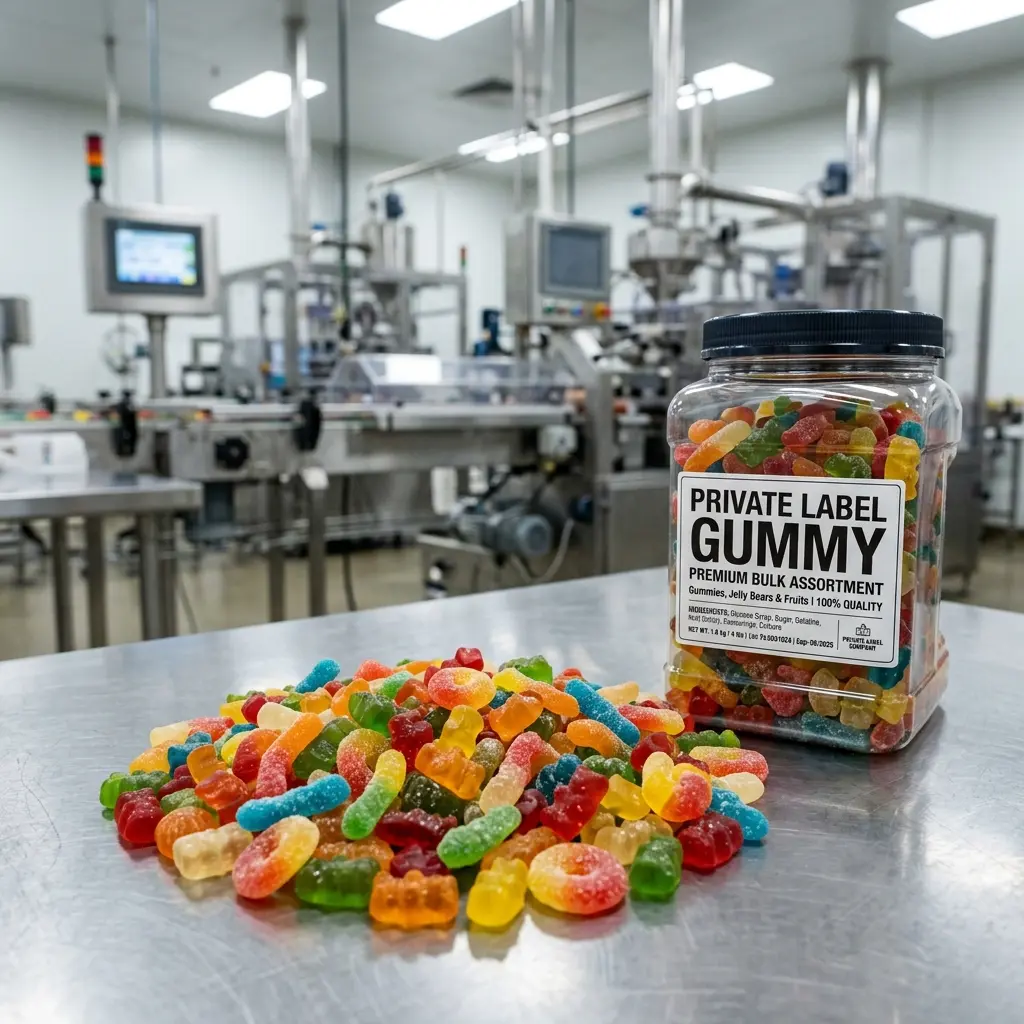
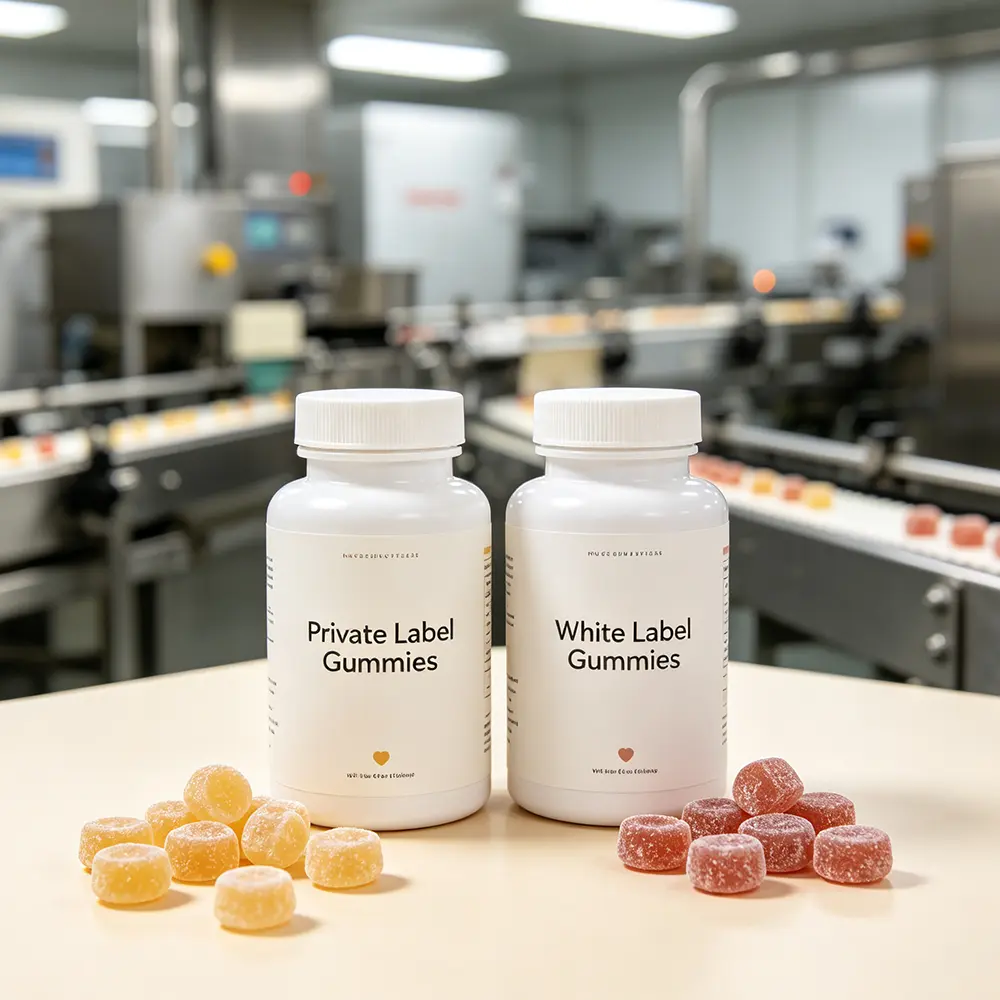
The most time-consuming phase in any gummy project is iterative bench-top development. Leading manufacturers maintain deep, pre-validated formulation archives covering high-demand segments: vitamin C, elderberry, melatonin, probiotics, multivitamin blends, and adaptogens like ashwagandha. Each entry already has proven stability data, texture profiles, taste-masking systems, and bioavailability metrics. When a brand selects a base, the team bypasses weeks of trial-and-error and jumps directly to flavor fine-tuning and label adaptation. This is especially powerful for private label gummies, where the same validated foundation can support multiple brand variants with minimal rework, shrinking the typical 8-to-12-week cycle to just 3 to 5 weeks in many cases.
2. Parallel Workflow Engineering—Breaking the Sequential Bottleneck
Traditional product development follows a straight line: formulate → test → source → produce → package → ship. Professional gummy producers invert this by activating multiple workstreams simultaneously. While the R&D team locks in the final recipe, the procurement desk secures pre-vetted raw materials, the packaging group drafts artwork, and quality assurance drafts product-specific test plans—all in parallel. This concurrent model compresses the gap between formula sign-off and first production run to as few as 5 to 7 business days, compared to 3 to 4 weeks in a sequential environment. The result is a production rhythm that aligns with modern brand timelines.
3. Strategic Raw Material Reserves and Trusted Supplier Networks
Raw material delays consistently rank as a top cause of project overruns. Top-tier manufacturers mitigate this by maintaining buffer stocks of critical gelling agents (pectin, gelatin, carrageenan), sweeteners, natural flavors, and fast-moving active nutrients. A facility with a daily throughput of 16 tons and annual capacity of 5,000 tons typically holds enough inventory to start production within 48 hours of formula finalization for standard SKUs. In parallel, long-term agreements with pre-qualified suppliers guarantee that specialty ingredients—whether domestic or imported—arrive within predictable windows, often 3–5 days for local and 10–15 days for overseas actives.
4. Dedicated Gummy Lines with Rapid Mold-Change Capabilities
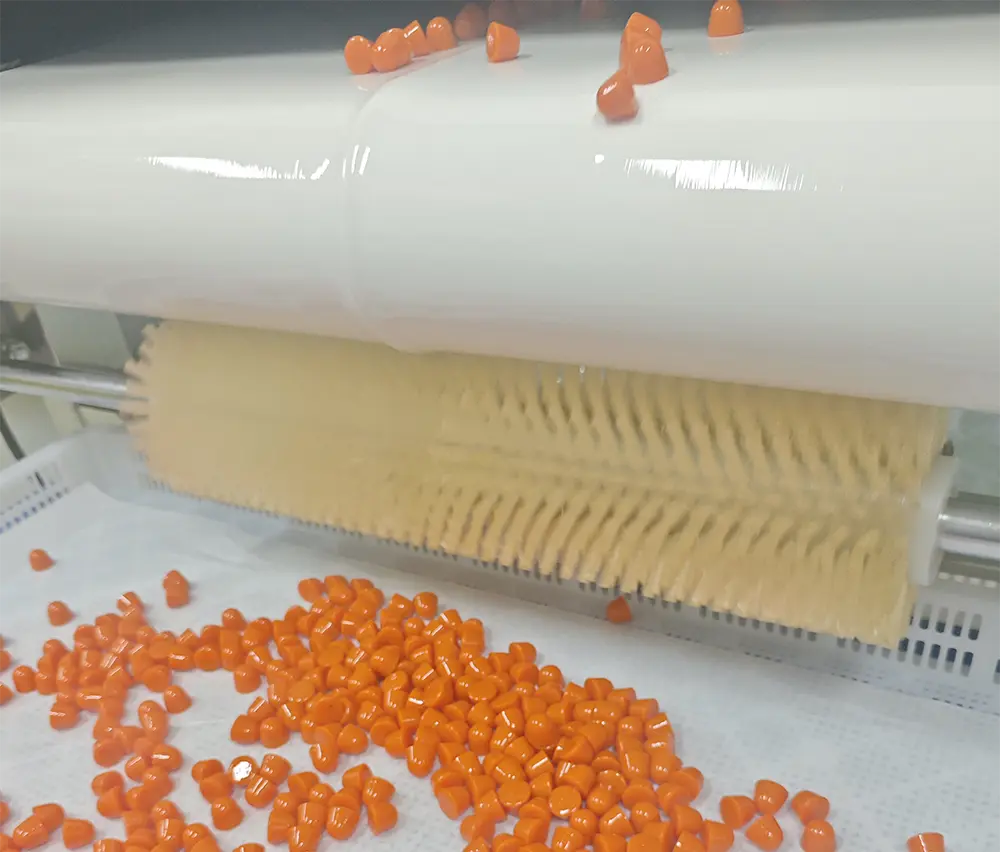
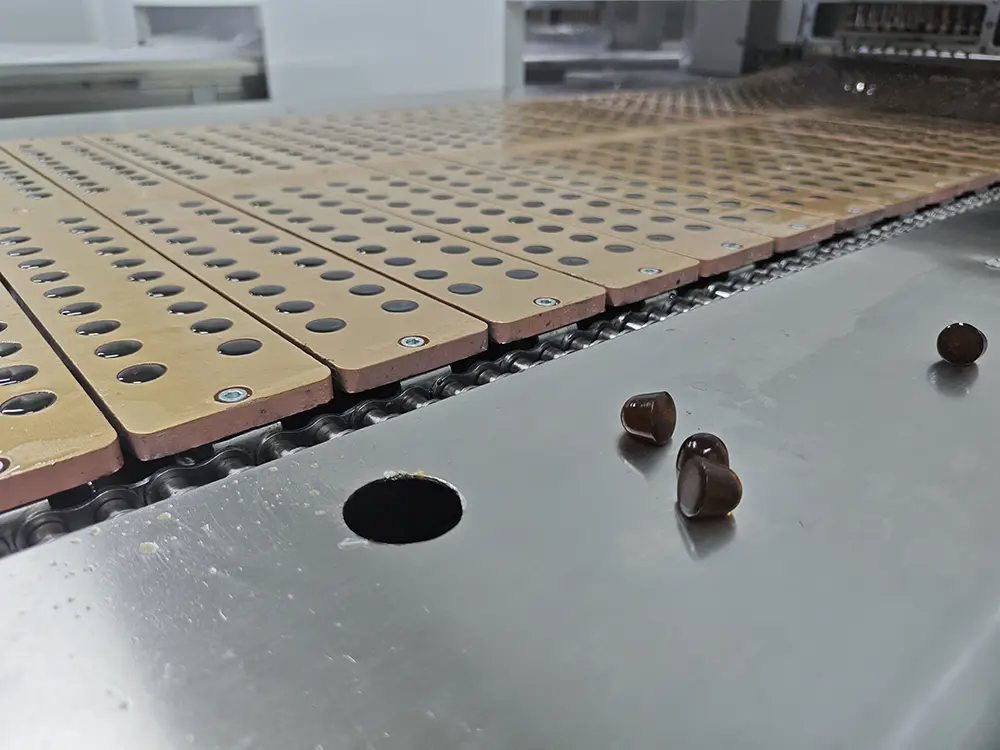
Facilities that specialize exclusively in gummy production invest in modular depositing equipment that supports swift mold swaps and recipe transitions. A starch-molding line, when configured for quick changeover, can pivot between different shapes, sizes, and formulations in under 2 hours. This flexibility allows multiple SKUs to run on the same day, eliminating scheduling bottlenecks that often stall smaller or mid-sized orders. Multi-lane depositors further amplify output, producing 20 to 40 gummies per stroke, translating to 50,000 to 100,000 finished units per shift depending on weight and complexity.
5. Real-Time Quality Controls with On-Site Analytical Labs
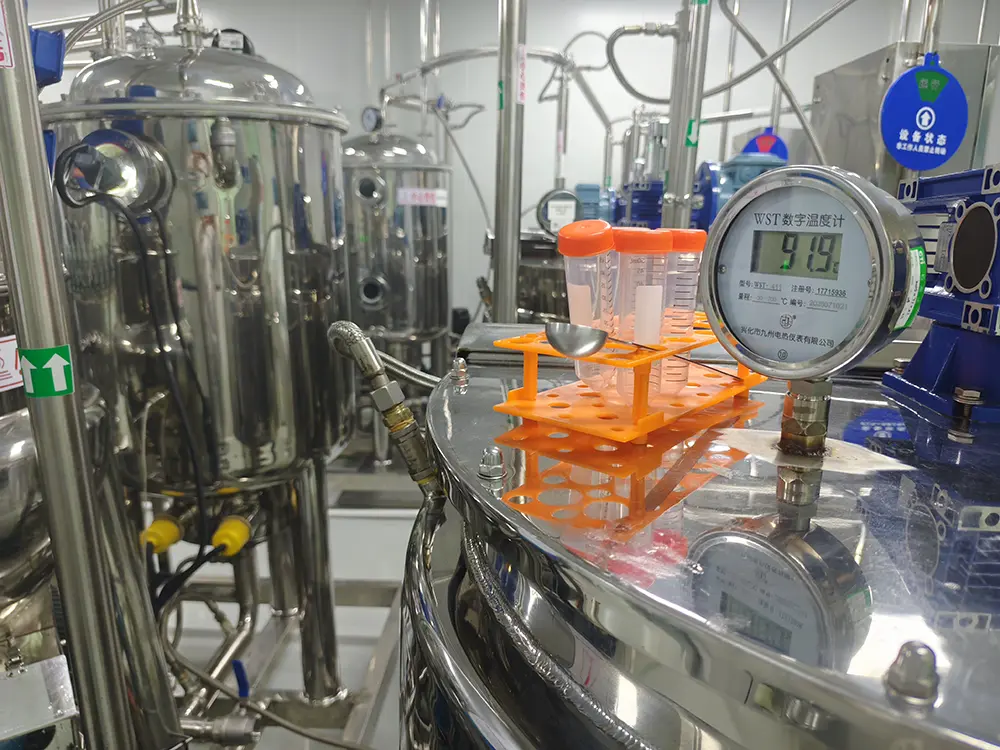
Quality assurance in gummy production covers weight uniformity, texture, active ingredient potency, microbial load, and residual solvents. Outsourcing these tests can add 7 to 14 days of waiting. Professional operations avoid this by housing in-house laboratories equipped with HPLC, UV-Vis spectrophotometers, and microbial testing suites. A 10,000-class pharmaceutical-grade R&D lab delivers same-day or next-day results for critical parameters, enabling faster batch release and reducing the overall testing cycle from weeks to hours.

6. Pre-Built Regulatory and Documentation Templates
Documentation is often an overlooked timeline killer. Manufacturers serving global markets maintain template libraries for product specifications, certificate of analysis (COA) formats, stability protocols, and label-compliance checklists aligned with FDA, EFSA, and other regional standards. When a new SKU enters the pipeline, the regulatory team adapts an existing template rather than building from scratch—saving 3 to 5 business days per product and reducing the risk of compliance rework.
Practical Insights
Production Dimension
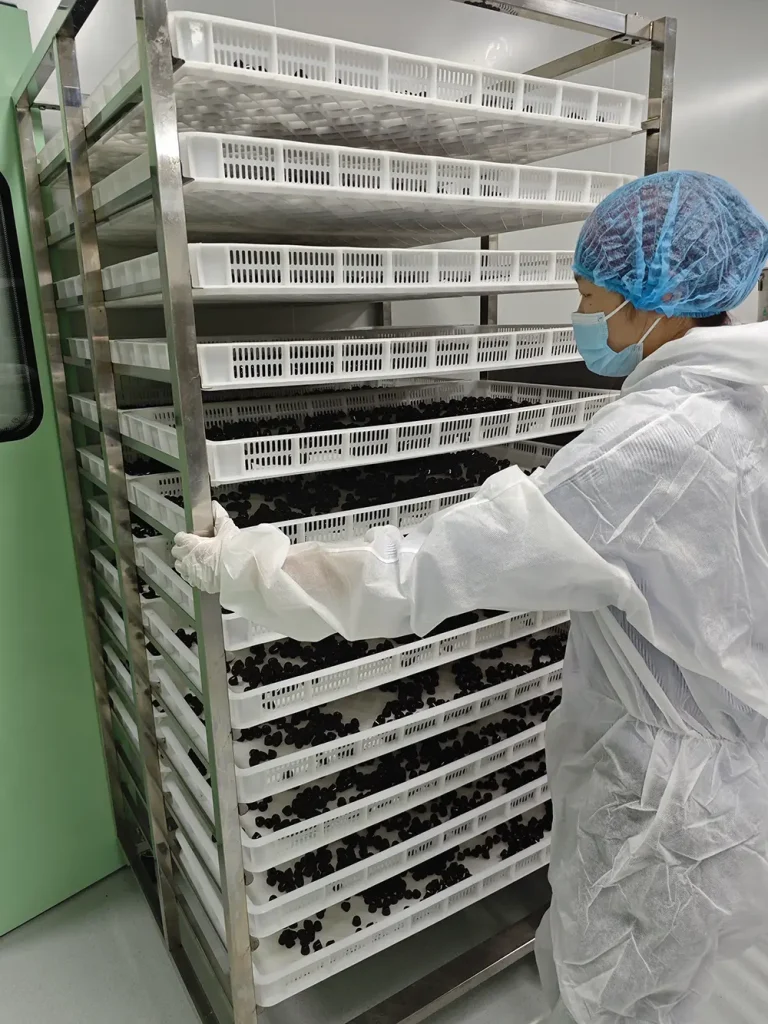
The physical speed of make gummies operations is governed by three core steps: cooking (30–45 minutes per batch), depositing (continuous once set), and drying (12–36 hours). Drying is the longest single step. Advanced manufacturers use climate-controlled curing rooms with precise temperature and humidity management, cutting drying time by 20–30% compared to ambient methods. A 100,000-class cleanroom environment ensures that faster drying does not compromise microbial safety.
Quality Control Dimension
Speed does not mean skipping checks—it means shifting from end-of-line inspection to in-process monitoring. Weight checks at the depositor, brix measurements post-cooking, and moisture readings during drying allow operators to correct deviations in real time. Final batch release still requires completed analytical testing, but in-house labs compress this from weeks to hours. Certified facilities (ISO9001, ISO22000, HACCP, GMP) have documented systems that enable rapid, repeatable decisions without lowering standards.
Scalability Dimension
A common fallacy is that a fast pilot run automatically scales to fast commercial production. Experienced manufacturers prevent this trap by using scale-up protocols validated across batch sizes. A facility with 5,000-ton annual capacity can typically scale from a 50 kg trial to a 2,000 kg production batch without reformulation—because the pre-validated recipes are designed for scale from day one. This eliminates the reformulation loop that often adds 2 to 4 weeks when moving from lab to plant.
Compliance Dimension
Certifications such as HALAL, KOSHER, Vegan, BRC, and FSSC 22000 act as pre-established compliance frameworks. When a brand requests, say, a vegan pectin-based gummy, the manufacturer does not need to audit new suppliers or processes—the certified supply chain and segregation protocols are already operational. This pre-compliance infrastructure can save 2 to 6 weeks per project, especially for brands entering multiple regions simultaneously.
B2B Decision Panel
When selecting a manufacturing partner to accelerate your gummy launch, B2B buyers should assess these seven critical capabilities:
- Formulation library depth: Does the supplier offer pre-validated bases for your target category, or will development start from scratch?
- Parallel workflow maturity: Can procurement, packaging design, and quality planning proceed concurrently with R&D?
- In-house analytical capacity: Does the facility operate its own lab, or does it rely on third-party labs for batch release?
- Line dedication and changeover speed: Are gummy lines shared with other product types, causing transition delays, or are they dedicated with rapid-change tooling?
- Certification coverage: Does the manufacturer already hold all certifications needed for your target markets, avoiding additional audit cycles?
- Minimum order flexibility: Can they support trial runs without requiring full-scale minimums that delay market entry?
- Project management structure: Is there a single dedicated project manager, or is communication fragmented across departments?
A partner that scores positively on five or more of these dimensions is positioned to deliver significantly faster time-to-market. Request documented workflow examples and timeline commitments as part of your qualification process.
Technical Parameter Table
| Parameter | Standard Range | Optimized Fast-Track Range | Impact on Timeline |
|---|---|---|---|
| Formulation Development | 6–12 weeks | 1–3 weeks (pre-validated base) | Saves 5–9 weeks |
| Raw Material Procurement | 2–4 weeks | 2–5 days (in-stock materials) | Saves 1.5–3.5 weeks |
| Cooking Cycle | 30–45 min/batch | 25–35 min/batch (automated) | Marginal per batch; cumulative at scale |
| Drying / Curing | 18–36 hours | 12–24 hours (climate-controlled) | Saves 6–12 hours per batch |
| Quality Testing Turnaround | 7–14 days (external lab) | 1–2 days (in-house lab) | Saves 5–12 days |
| Regulatory Documentation | 2–4 weeks | 3–5 days (template-based) | Saves 1.5–3.5 weeks |
| Total Concept-to-Shelf | 16–28 weeks | 6–10 weeks | Overall reduction of 55–65% |
Conclusion
Accelerating gummy product launches is not achieved by cutting corners—it is the outcome of deliberate system design. Pre-validated recipes, parallel workflow execution, in-house testing, and pre-certified compliance frameworks each contribute measurable savings that multiply across the production chain. For B2B brands, the takeaway is practical: the right manufacturing partner can reduce concept-to-shelf time by more than half while maintaining—or even improving—product quality and regulatory readiness. The evaluation criteria we have outlined give you a clear lens to separate genuine speed capabilities from marketing claims.
FAQ
How long does it typically take to develop and produce a new gummy supplement?
In a traditional sequential workflow, the full cycle from concept to finished inventory ranges from 16 to 28 weeks. With an optimized manufacturer using pre-validated formulations and parallel processing, this can be compressed to 6 to 10 weeks—making it feasible to make gummies that are market-ready in a fraction of the usual time.
What is the main bottleneck in gummy production speed?
Formulation development and quality testing turnaround are the two most common bottlenecks. Formulation iteration can consume 6 to 12 weeks if starting from scratch. External lab testing adds 7 to 14 days per batch. Both are addressed through pre-validated bases and in-house analytical laboratories.
Does faster production compromise gummy quality?
No, provided the manufacturer uses validated processes, in-process quality checkpoints, and appropriate certifications. Speed gains come from eliminating idle time and redundant steps, not from skipping quality controls. Facilities operating under GMP, ISO22000, and HACCP frameworks maintain quality regardless of timeline compression.
Can small-order brands benefit from fast-track gummy manufacturing?
Yes. Manufacturers with flexible minimum order quantities can run small trial batches using the same pre-validated systems and parallel workflows used for large orders. The per-unit cost may be higher at low volumes, but the timeline advantage remains significant.
What certifications should a fast gummy manufacturer hold?
Core certifications include GMP, ISO9001, ISO22000, and HACCP. Depending on target markets, HALAL, KOSHER, Vegan, BRC, and FSSC 22000 provide additional pre-compliance advantages that accelerate market entry.
How does in-house raw material inventory affect production speed?
Manufacturers maintaining strategic stock of common gelling agents, sweeteners, flavors, and popular active ingredients can initiate production within 48 hours of formula approval. This eliminates the 2 to 4 week procurement delay that occurs when all materials must be sourced to order.
This article is provided by Gothink Biology, a globally recognized dietary supplement manufacturer.
Shenzhen Gothink Biology Technology Co., Ltd. is a global leading nutrition supplement supplier and dietary supplement manufacturer specializing in OEM, ODM, CMO, and CDMO services for health and wellness brands worldwide. With extensive industry expertise and international certifications including ISO9001, ISO22000, HACCP, FDA, HALAL, GMP, KOSHER, BRC, FSSC 22000, PJPH, and Vegan, we deliver high-quality custom formulation, contract manufacturing, and wholesale solutions for B2B clients across global markets.
For more information, please visit our official website: https://gothinkbio.com/ or contact our expert team.