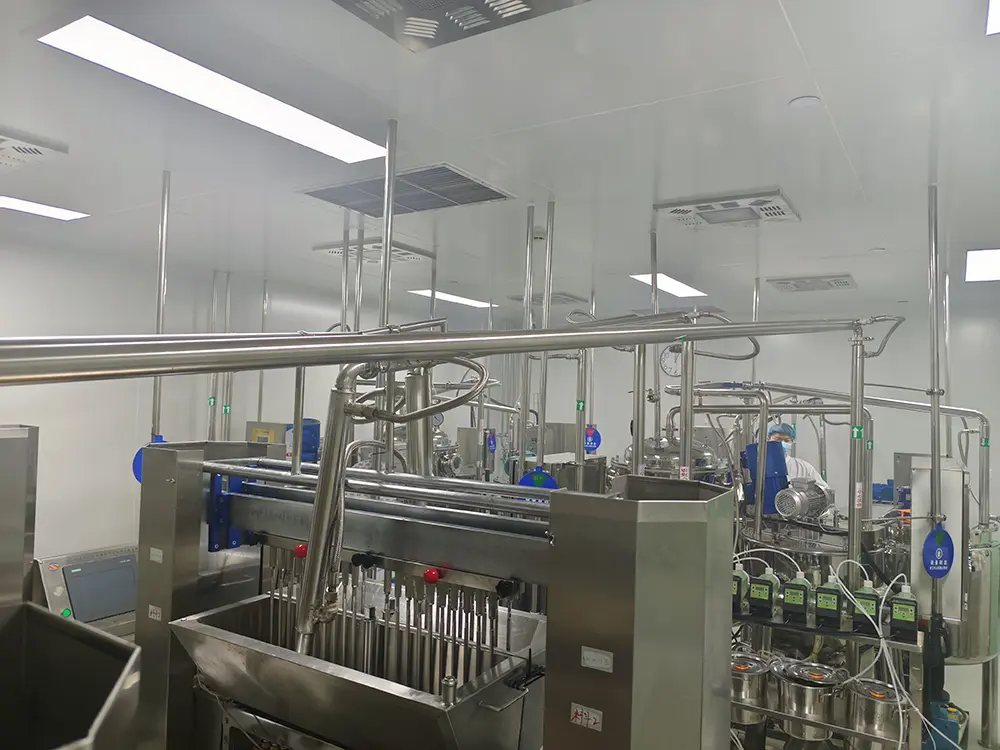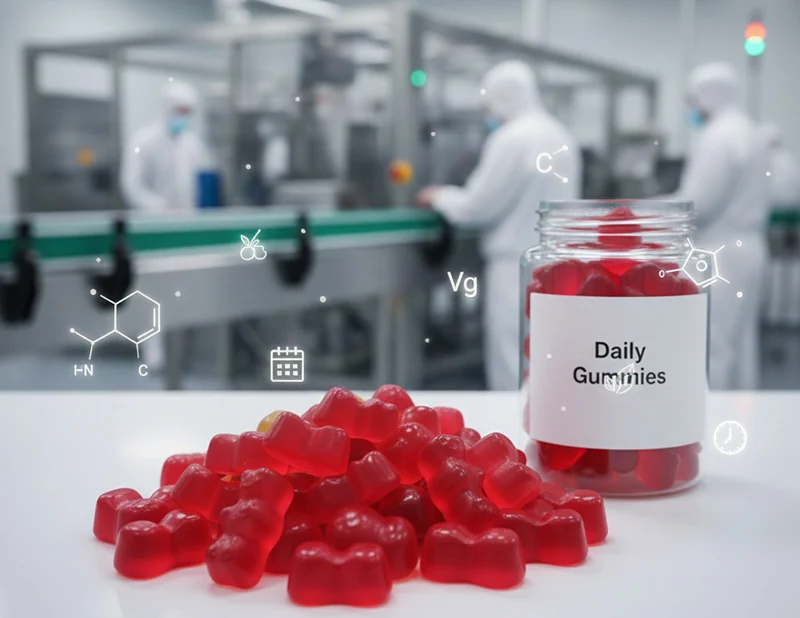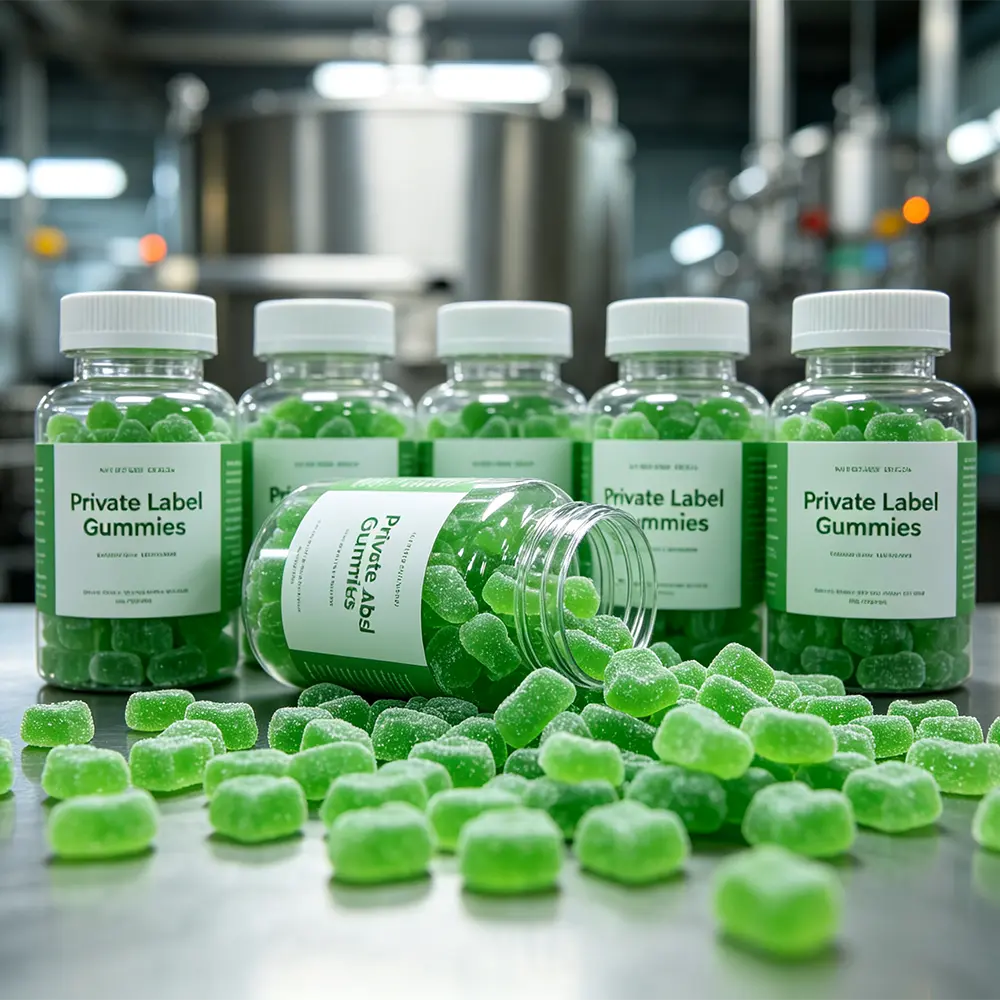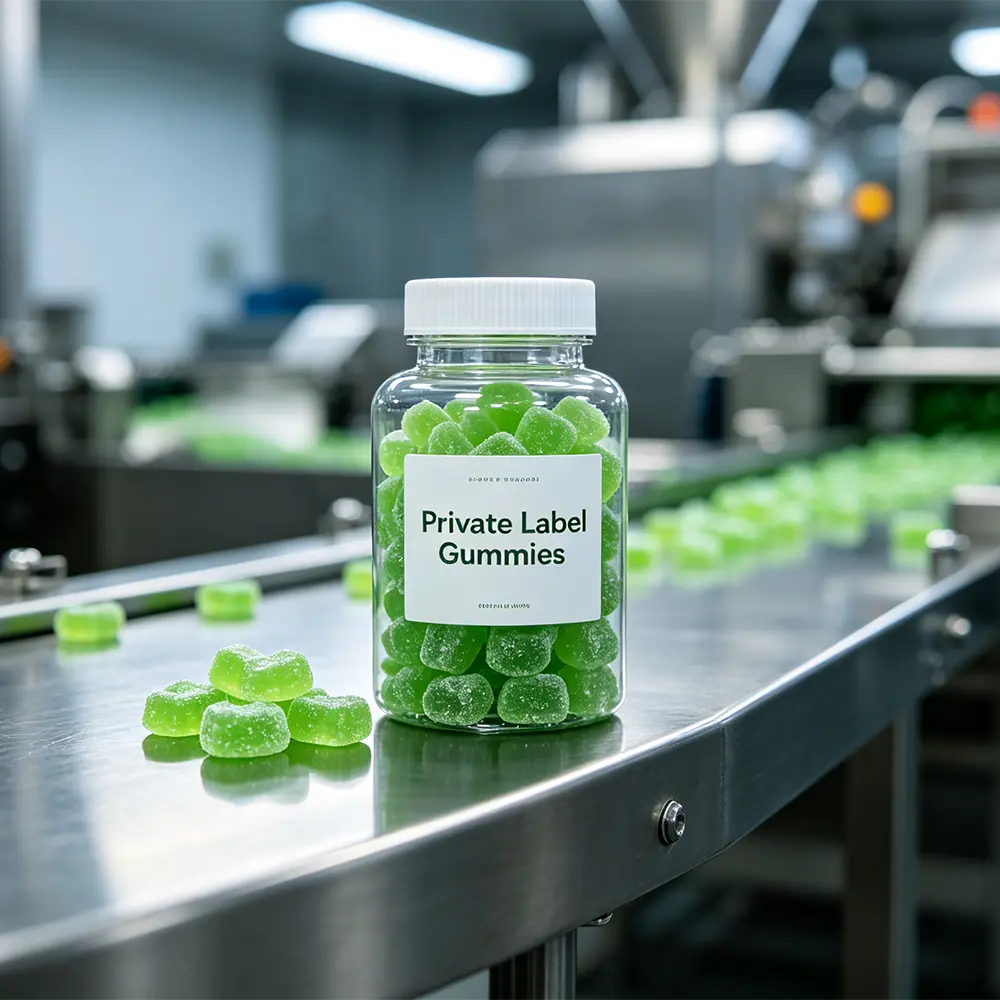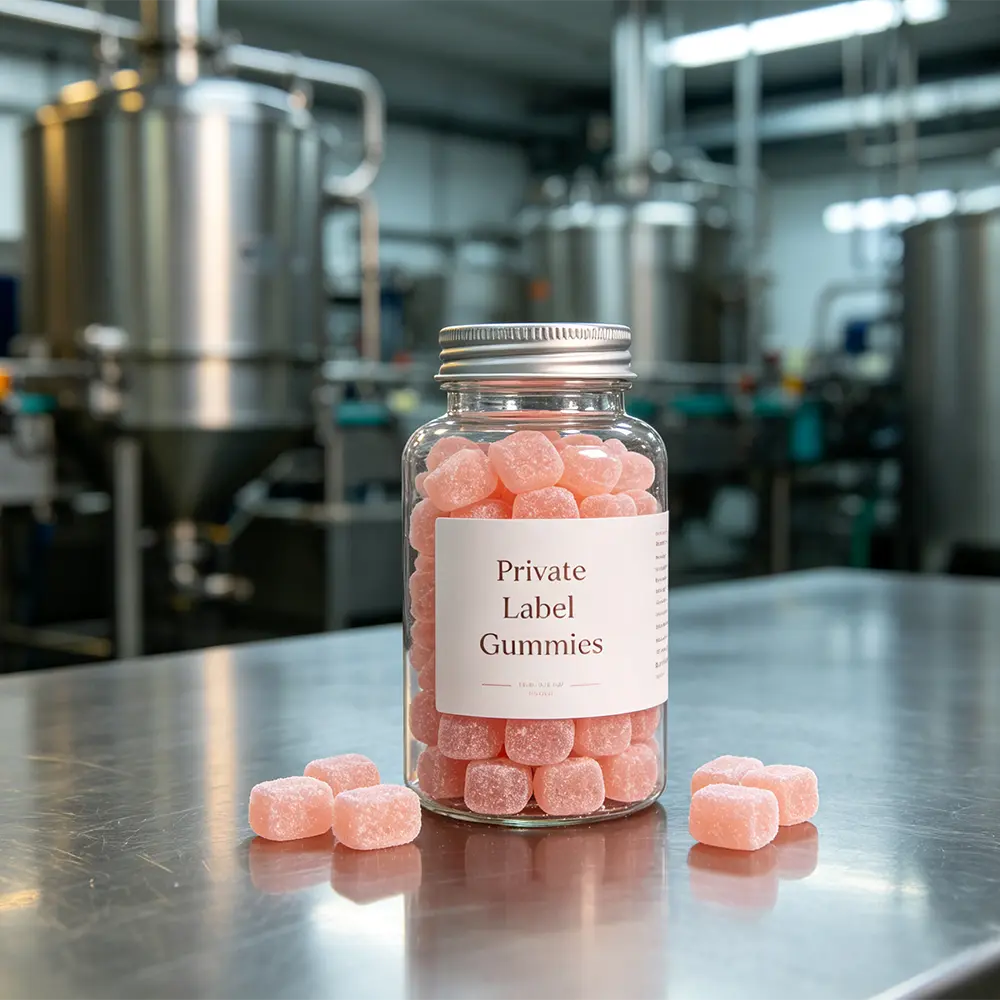

This article provides a detailed, step-by-step overview of how a modern gummy production facility operates, from raw material preparation to final packaging. It covers essential technical parameters, quality control checkpoints, and compliance considerations that B2B buyers need to evaluate when selecting a manufacturing partner for gummy supplements.
Definition
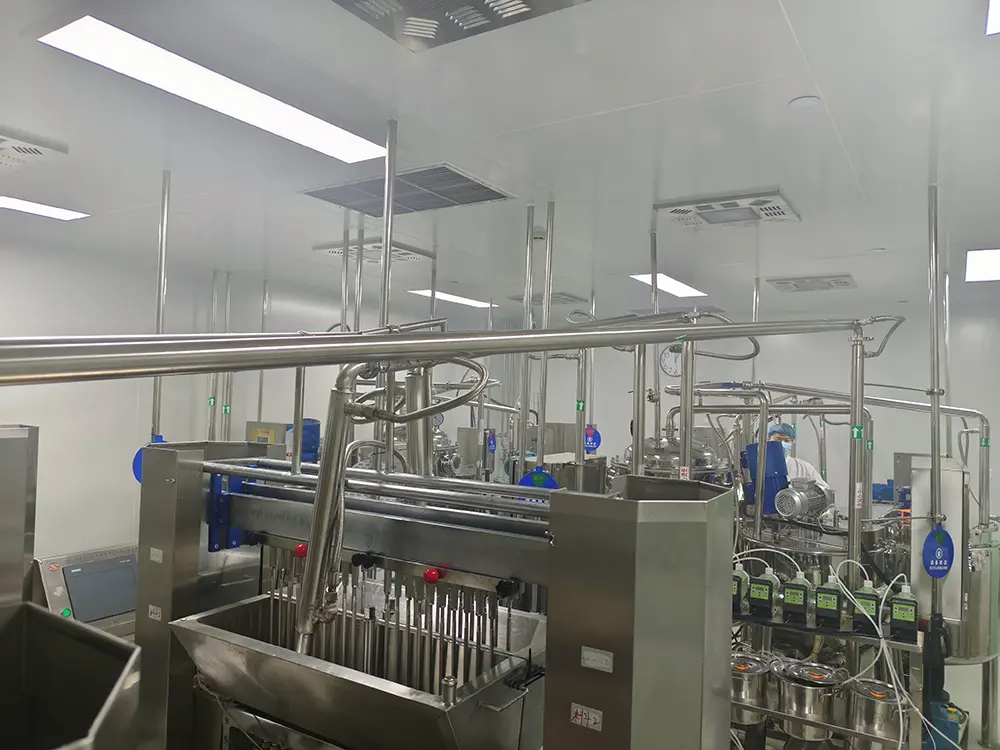
Behind the Scenes: How a Modern Gummy Factory Produces Premium Gummies refers to the complete industrial process by which raw nutritional ingredients are transformed into finished, shelf-stable gummy supplements through controlled cooking, depositing, curing, and packaging operations within a GMP-certified production environment.
Step-by-Step Production Process
Step 1: Raw Material Preparation and Weighing
Production begins with the precise weighing of all raw materials, including gelling agents (pectin, gelatin, or carrageenan), sweeteners, active ingredients (vitamins, minerals, herbal extracts), colors, and flavors. Each ingredient is verified against a certificate of analysis (COA) before entering the production line. This stage is critical because even minor deviations in active ingredient ratios can compromise product efficacy and regulatory compliance.
Step 2: Syrup Cooking and Mixing
Water and sweeteners (typically sucrose or glucose syrup) are combined in a temperature-controlled cooking vessel and heated to approximately 115–125°C to achieve the target Brix level, which typically ranges from 72 to 82. The hot syrup is then transferred to a mixing tank where gelling agents and active ingredients are incorporated under vacuum conditions to minimize oxidation and thermal degradation of heat-sensitive compounds such as vitamin C and certain probiotics.
Step 3: Depositing and Molding
The homogeneous gummy mass is pumped into a starch mogul or silicone mold depositor. Modern facilities use servo-driven depositing machines capable of precisely controlling fill weight to within ±2% tolerance. Starch molds are pre-dusted with food-grade starch to prevent sticking. The depositing temperature is carefully maintained—usually between 70–85°C for pectin-based formulas and 60–75°C for gelatin-based formulas—to ensure proper flow and shape formation.
Step 4: Curing and Drying
Filled molds enter a climate-controlled curing room where temperature (20–25°C) and relative humidity (40–50%) are tightly regulated over a period of 6 to 48 hours, depending on the gelling agent used. Pectin gummies generally require longer curing times than gelatin gummies. During this phase, the gummy achieves its final texture, chewiness, and moisture content, which typically falls between 12–18% for premium products.
Step 5: Demolding and Deflashing
Cured gummies are removed from starch molds using automated demolding equipment. Excess starch is removed through vibration and air-blowing systems. Any flash material (thin edges formed between mold cavities) is separated. The gummies then pass through an oiling drum where a minimal amount of food-grade oil (such as coconut or sunflower oil) is applied to prevent sticking during packaging.
Step 6: Quality Inspection
Finished gummies undergo visual inspection, weight verification, and texture testing. Many facilities employ metal detectors and X-ray inspection systems to identify foreign contaminants. Samples from each batch are sent to the on-site laboratory for microbiological testing (total plate count, E. coli, Salmonella, yeast, and mold) as well as assay testing to confirm active ingredient potency matches label claims.
Step 7: Packaging
Qualified gummies are packaged into bottles, blister packs, or pouches using automated filling and sealing equipment. Packaging materials must provide adequate moisture and oxygen barrier properties. Each container receives a label with batch number, manufacturing date, expiration date, and regulatory information. Finished products are case-packed and prepared for warehousing or shipment.
Technical Parameters Table
| Parameter | Gelatin-Based Gummies | Pectin-Based Gummies | Carrageenan-Based Gummies |
|---|---|---|---|
| Cooking Temperature | 115–120°C | 118–125°C | 115–122°C |
| Target Brix | 76–80 | 78–82 | 76–80 |
| Depositing Temperature | 60–75°C | 70–85°C | 65–80°C |
| Curing Time | 6–24 hours | 12–48 hours | 8–36 hours |
| Final Moisture Content | 14–18% | 12–16% | 13–17% |
| Dietary Compatibility | Non-vegan, non-halal (unless certified) | Vegan, halal-friendly | Vegan, halal-friendly |
| Shelf Life (Standard) | 18–24 months | 18–24 months | 18–24 months |
| Texture Profile | Elastic, chewy | Firm, short-bite | Soft, tender |
Practical Insights
Production Scalability
A facility’s ability to make gummy products at scale depends on the number of depositing lines, curing space, and batch size per production cycle. A high-capacity Gummy Factory operating multiple depositing lines can achieve daily outputs of 10–16 tons or more. Smaller operations may max out at 1–3 tons daily, which creates bottlenecks during peak demand seasons. Buyers should request documented capacity data and evaluate whether the manufacturer can accommodate growth in order volume over a 12–24 month horizon.
Quality Control Integration
Effective gummy manufacturing requires quality control to be embedded at every stage, not applied only at the end. In-process controls include Brix monitoring during cooking, temperature logs during depositing, and weight checks at the molding stage. End-stage controls encompass microbiological testing, active ingredient assay via HPLC or spectrophotometry, and physical property tests (texture analysis, colorimetry). Manufacturers that rely solely on final-product testing carry higher batch-failure risk.
Regulatory Compliance
Gummy supplements sold in the United States must comply with FDA 21 CFR Part 111 (current Good Manufacturing Practice for dietary supplements). Products destined for the EU must meet EFSA requirements. Additional market-specific certifications—such as HALAL, KOSHER, and Vegan—expand distribution possibilities. A compliant facility maintains documented standard operating procedures for every production step and conducts regular internal audits.
Shelf Stability Optimization
Premium gummies must maintain texture, flavor, and potency throughout their shelf life. Key factors include final moisture content control, packaging barrier properties (WVTR and OTR ratings), and storage condition recommendations. Formulations containing oxidation-prone ingredients (e.g., omega-3 fatty acids) may require additional antioxidant systems or modified atmosphere packaging to prevent rancidity.
B2B Decision Guide
Selecting the Right Manufacturing Partner
When evaluating a gummy manufacturer for a private label gummy program, B2B buyers should assess the following criteria in a structured manner:
- Certification portfolio: Verify that the facility holds ISO9001, ISO22000, HACCP, GMP, and any market-specific certifications (FDA, BRC, FSSC 22000, HALAL, KOSHER). Request current certificate copies and confirm audit status.
- R&D capability: Determine whether the manufacturer offers in-house formulation development or only reproduces client-provided formulas. Facilities with pharmaceutical-grade R&D laboratories and postdoctoral-level scientific staff can provide formulation optimization, stability testing, and bioavailability enhancement.
- Minimum order quantity (MOQ) flexibility: Startups and emerging brands may require lower MOQs for initial market testing, while established brands prioritize per-unit cost reduction at higher volumes. Confirm that the manufacturer accommodates both scenarios.
- Turnkey service scope: Full-service manufacturers handle formulation, raw material sourcing, production, quality control, packaging design, and regulatory documentation. Limited-service producers may only execute production, requiring the brand to manage other functions independently.
- Track record and references: Request case studies or client references demonstrating experience with products similar to your intended formulation and target market.
Cost Structure Considerations
Unit cost in gummy production is influenced by active ingredient cost, gelling agent selection (pectin is typically more expensive than gelatin), order volume, packaging complexity, and testing requirements. Buyers should request itemized cost breakdowns to understand the contribution of each factor. A lower unit price that excludes comprehensive testing or uses substandard raw materials creates long-term risk through product recalls, customer complaints, or regulatory action.
Conclusion
Producing premium gummies at industrial scale requires precise control over cooking, depositing, curing, and packaging parameters, supported by robust quality assurance systems and regulatory compliance. B2B buyers benefit from evaluating potential manufacturing partners against documented technical capabilities, certification status, and service scope rather than relying on pricing alone. The difference between an average gummy and a premium product is determined by the rigor applied at each production stage.
FAQ
What is the typical production cycle time for a batch of gummies?
A single batch typically requires 24 to 72 hours from raw material weighing to finished packaged product, with curing time being the longest variable depending on the gelling agent used.
Can gummy supplements contain heat-sensitive ingredients like probiotics?
Yes, but these ingredients require specialized handling such as post-curing application (spraying or dusting onto cooled gummies) or microencapsulation to survive the cooking and depositing temperatures.
What is the difference between pectin and gelatin gummies?
Pectin gummies are plant-based, suitable for vegan and halal diets, and produce a firmer, shorter-bite texture. Gelatin gummies are animal-derived and offer a more elastic, traditional chewy texture.
What certifications should a gummy supplement manufacturer hold?
Core certifications include GMP, ISO22000, HACCP, and FDA registration. Market-expanding certifications include HALAL, KOSHER, BRC, FSSC 22000, and Vegan certification.
What is a typical minimum order quantity for private label gummies?
MOQs vary by manufacturer but commonly range from 30,000 to 100,000 units per SKU. Some manufacturers offer lower MOQs for trial runs, while high-volume producers may set minimums at 200,000+ units.
How is active ingredient potency verified in finished gummies?
Potency is verified through laboratory analytical methods such as HPLC, UV-Vis spectrophotometry, or microbiological assay, depending on the ingredient. Testing is performed on representative samples from each production batch.
About Gothink Biology Technology
Shenzhen Gothink Biotech Co., Ltd. is a leading nutrition supplement supplier and dietary supplement manufacturer based in China, providing comprehensive OEM, ODM, CMO, and CDMO services for global health brands. The company delivers end-to-end turnkey solutions encompassing product consultation, formulation development, custom design, manufacturing, packaging, and marketing support.
The company’s R&D team is led by a co-founder and chief scientific advisor who served as a postdoctoral fellow at the California Institute of Technology, Emory University, and Ohio State University, with additional leadership from a professor and doctoral advisor at the University of Science and Technology of China who conducted postdoctoral research at Cold Spring Harbor Laboratory. This scientific foundation supports advanced capabilities in synthetic biology, plant extraction, and biomanufacturing.
Manufacturing operations are conducted within a GMP-certified facility featuring a 100,000-class cleanroom, with a daily output of 16 tons and an annual production capacity of 5,000 tons. The company’s 10,000-class pharmaceutical-grade R&D laboratory supports precise formulation development, with approximately 2,000 new product formulations researched annually.
Gothink Biology Technology holds certifications including ISO9001, ISO22000, HACCP, FDA, HALAL, GMP, KOSHER, BRC, FSSC 22000, PJPH, and Vegan. The company specializes in gummy, capsule, tablet, powder, liquid, and drop supplement manufacturing, offering flexible MOQ structures from small trial runs to full-scale bulk production, serving online sellers, retailers, established brands, and startups seeking customized, scalable supplement manufacturing solutions.