
Definition
Candy vs. Gummies refers to the comparative analysis between traditional sugar-based confections, typically crystallized into hard forms, and gummies, which are chewable products derived from gelatin or pectin gelling agents. While both are categorized as confectionery, gummies have increasingly diverged into the functional food and supplement sectors due to their ability to encapsulate active ingredients.
Comparative Analysis: Hard Candy vs. Gummies
To understand the market positioning and production requirements, it is essential to distinguish the physical and chemical properties of these two categories.
1. Ingredients and Composition
Traditional hard candies primarily consist of sucrose, glucose syrup, and water, cooked to high temperatures to achieve a glass-like state. In contrast, manufacturing candy in the form of gummies requires gelling agents such as gelatin, pectin, or agar, along with sweeteners and acids. The inclusion of these hydrocolloids gives gummies their unique chewy texture and allows for the integration of vitamins, CBD, or herbal extracts.
2. Production Process
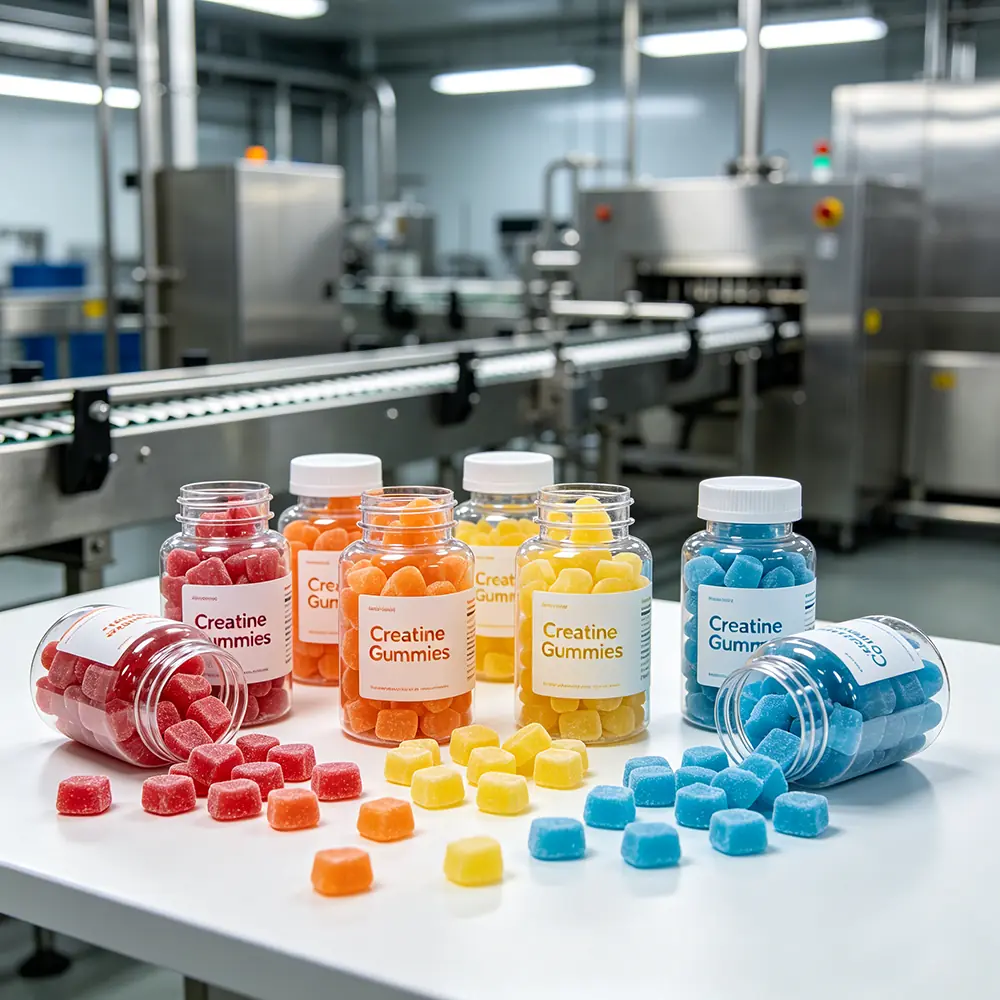
The process to make gummies differs significantly from hard candy production. Hard candy involves boiling the sugar mass to the “hard crack” stage (approx. 150°C) to remove moisture, followed by molding and cooling. Gummy Manufacturing, however, involves preparing a solution at much lower temperatures (approx. 80-90°C) to preserve the integrity of the gelling agents and any heat-sensitive active ingredients. This slurry is then deposited into molds and cooled to set.
3. Texture and Consumer Experience
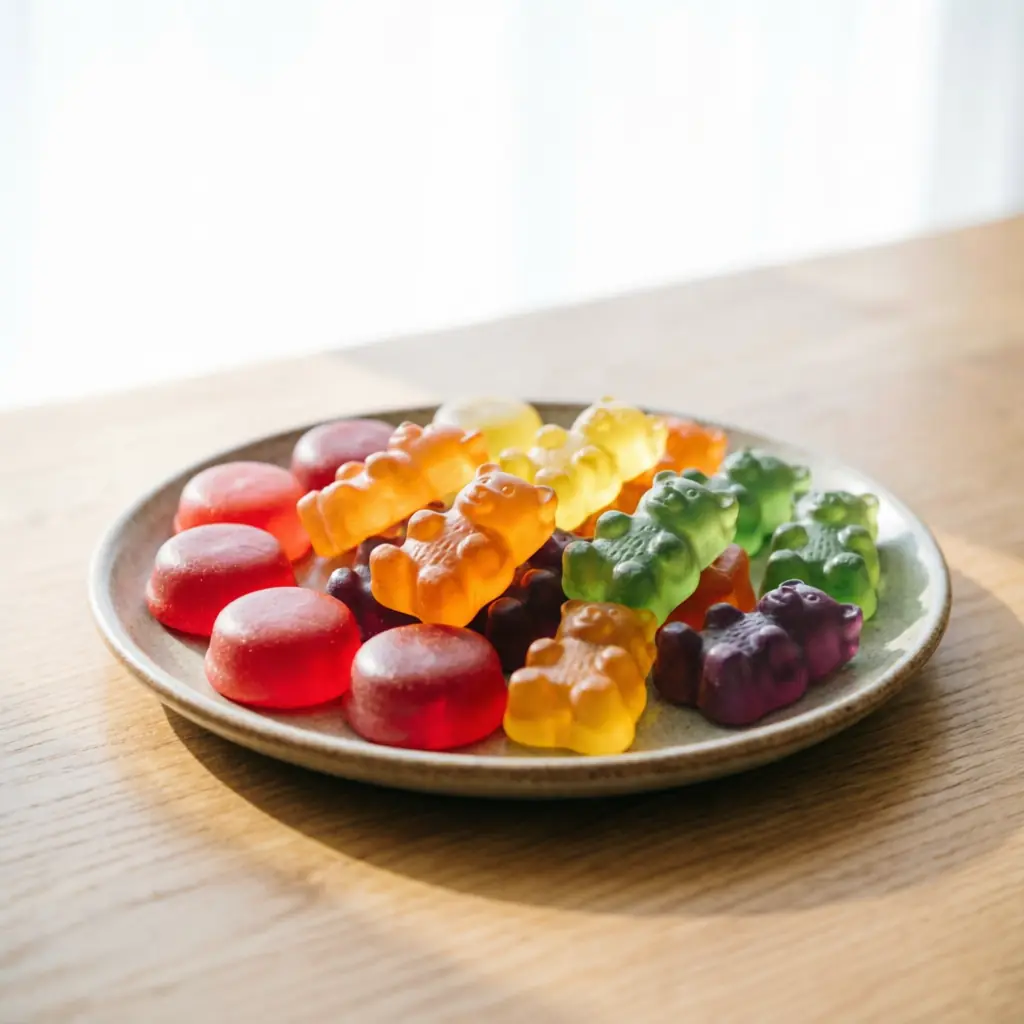
Hard candies offer a slow-dissolving experience primarily focused on flavor release. Gummies provide an immediate tactile chewiness, which has proven popular in both the confectionery and nutraceutical markets. The texture of a gummy is determined by the bloom strength of the gelatin or the setting properties of the pectin.
Technical Parameters Comparison
The following table outlines key technical distinctions for production planning:
| Parameter | Hard Candy | Gummies |
|---|---|---|
| Primary Base | Sucrose, Glucose Syrup | Gelatin, Pectin, Starch |
| Cooking Temperature | High (140°C – 160°C) | Moderate (70°C – 90°C) |
| Moisture Content | Low (< 2%) | Medium (15% – 20%) |
| Processing Method | Vacuum Batch Cooking | Deposit & Molding (Starch or Silicon) |
| Texture Profile | Hard, Glassy, Brittle | Elastic, Chewy, Springy |
Practical Insights: Production and Quality Control
For brands looking to enter the market, partnering with a reliable custom gummy manufacturer is critical to ensuring product consistency and safety. Several operational factors must be considered:
Production Scalability
Scaling gummy production requires precise control over the drying rooms. Unlike hard candies, which cool rapidly, gummies often require a curing period to achieve the correct texture and moisture activity (water activity). A high-capacity facility must manage humidity levels rigorously to prevent microbial growth or stickiness.
Quality Assurance and Compliance
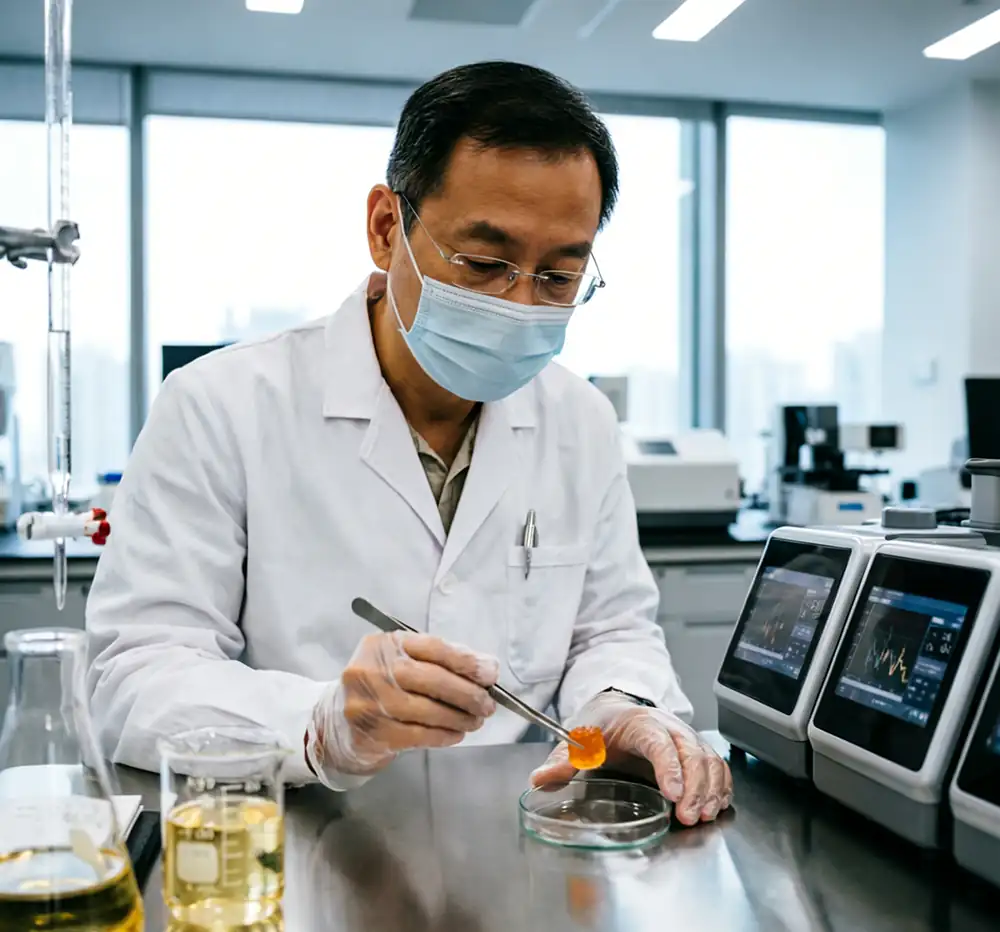
Quality control in gummy production focuses on the “Bloom” strength of the gelatin, viscosity of the slurry, and accurate dosing of active ingredients. Manufacturers must adhere to international food safety standards such as ISO22000, HACCP, and cGMP. Testing for heavy metals, microbial limits, and consistency in weight and size is mandatory for consumer safety.
B2B Decision Making
When selecting a partner for Gummy Contract Manufacturing, businesses must evaluate more than just price. The decision should hinge on the supplier’s ability to provide turnkey solutions, including R&D, formulation, and packaging.
- Formulation Expertise: Can the manufacturer develop vegan, sugar-free, or functional formulations (e.g., with added vitamins or melatonin)?
- Flexibility: Does the facility support both small Minimum Order Quantities (MOQs) for startups and high-volume production for established brands?
- Regulatory Support: A competent partner assists with label compliance and export documentation, crucial for navigating global markets.
- Private Label Capabilities: For brand owners, efficient private label gummy services allow for rapid market entry without the overhead of managing the supply chain.
Conclusion
While traditional candy and gummies share a common ancestry in confectionery, they have evolved into distinct categories with different manufacturing requirements and market applications. Gummies, in particular, offer versatility for functional foods and supplements. Success in this space depends on selecting a manufacturing partner with robust technical capabilities, strict quality control, and scalable production infrastructure.
FAQ
- What is the main ingredient difference between candy and gummies?
Hard candy is primarily made of crystallized sugar, while gummies are made with gelling agents like gelatin or pectin. - Are gummies considered a healthy alternative to hard candy?
Gummies are not inherently healthier, but they are frequently used as delivery systems for vitamins and supplements, whereas hard candy is usually for pure enjoyment. - What is the typical shelf life of gummies compared to hard candy?
Hard candy generally has a longer shelf life (12-24 months) due to low moisture, while gummies typically last 12-18 months depending on packaging and ingredients. - Can gummies be made vegan?
Yes, vegan gummies can be produced using pectin or agar-agar instead of animal-based gelatin. - What is the minimum order quantity for custom gummy manufacturing?
MOQs vary by manufacturer, but flexible partners often accommodate orders ranging from small trial runs to mass production.
About Shenzhen Gothink Biotech Co., Ltd.
Your Trusted Partner in Custom Supplement Manufacturing
Shenzhen Gothink Biotechnology Co., Ltd. is one of China’s leading Nutrition Supplement Suppliers & Dietary Supplement Manufacturers, offering comprehensive OEM, ODM, CMO, and CDMO services. We provide end-to-end turnkey solutions covering product consultation, formulation development, custom design, manufacturing, packaging, and marketing support. With a strong focus on quality and innovation, we help global health brands efficiently and reliably transform ideas into market-ready products.
Core Capabilities
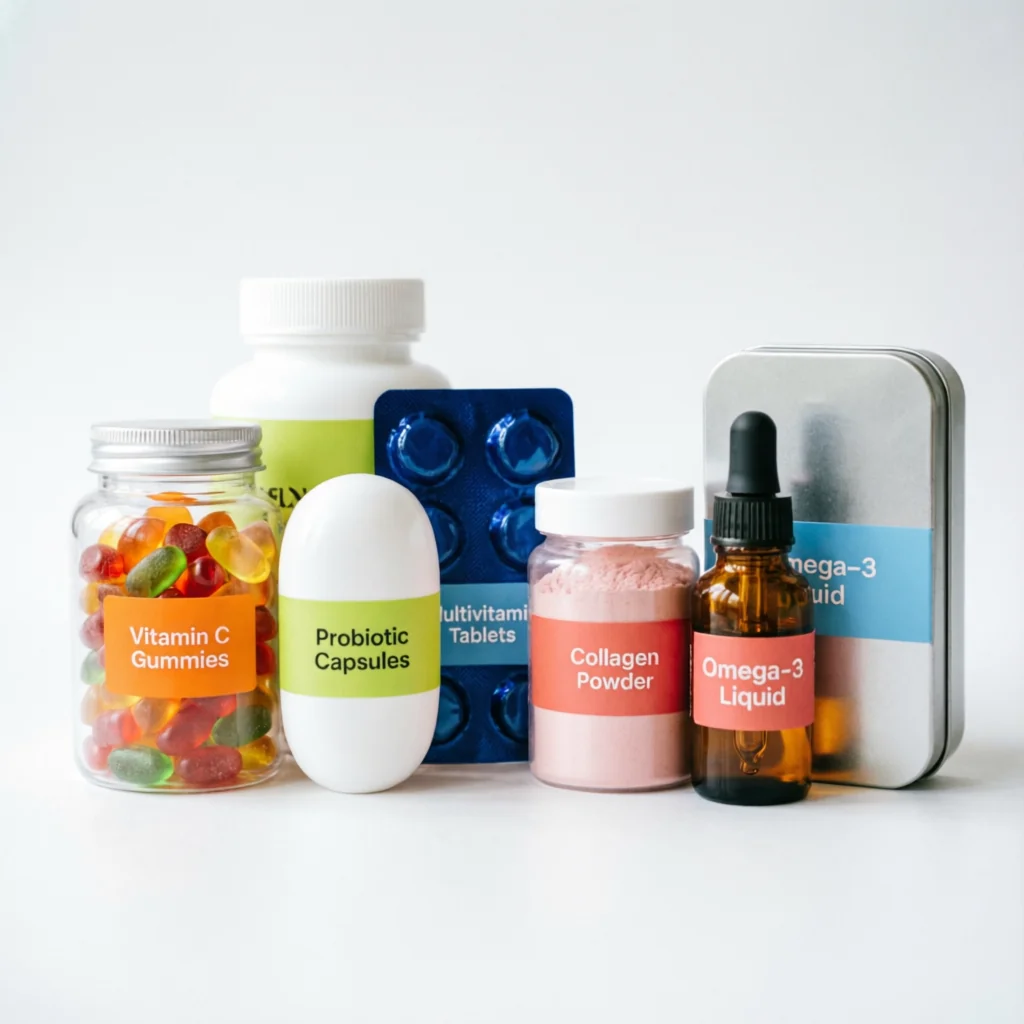
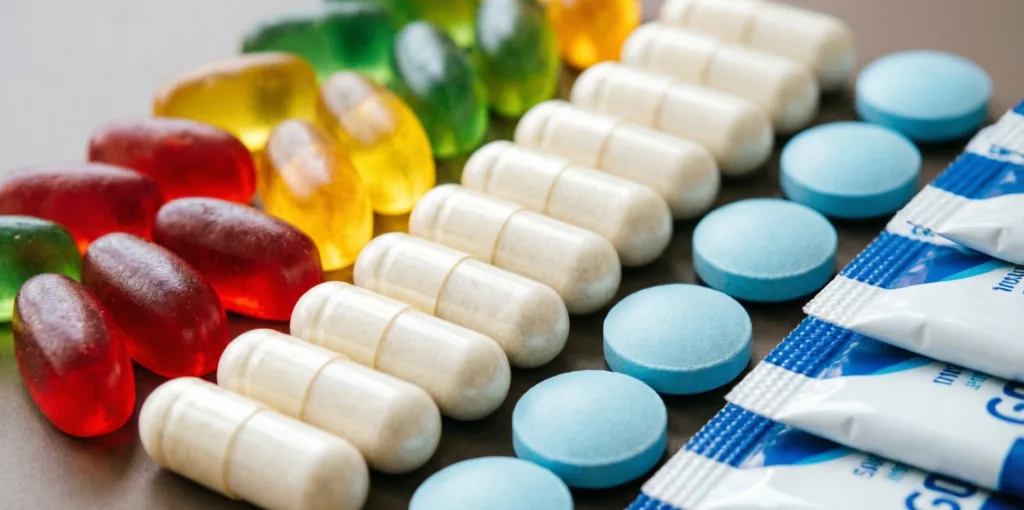
We specialize in a wide range of custom manufacturing services, including gummy, capsule, tablet, powder, liquid, and drop supplement manufacturing.
Why Choose Us?
- High-Capacity GMP Factory: Our GMP-certified facility features a 100,000-class cleanroom, with a daily output of 16 tons and an annual capacity of 5,000 tons—ensuring fast, reliable delivery.
- Advanced R&D Strength: Our team is led by postdoctoral researchers from U.S. universities (including Caltech and Emory) and is supported by a 10,000-class pharmaceutical-grade laboratory, enabling precise and innovative formulations.
- Flexible MOQ & Customization: From small trial runs to full-scale production, we provide adaptable solutions for online sellers, retailers, brands, and startups.
- One-stop OEM/ODM Service: We provide full support from formulation and design to compliance and export, making it easy to launch and grow your supplement business.
Our Certifications
We hold certifications including ISO9001, ISO22000, HACCP, FDA, HALAL, GMP, KOSHER, BRC, FSSC 22000, PJPH, and Vegan, ensuring world-class quality and regulatory compliance.
Key Statistics:
- 2,000: New product formulations researched annually.
- 5,000: Annual production capacity in tons.
- 10,000: Grade of our pharmaceutical R&D laboratory.
- 100,000: Grade of our manufacturing cleanroom.