
When brands buy private label gummies, they often start with the wrong question. They ask about shape, color, or unit price before asking about the gelling system, production line, and active load. That sequencing creates most project failures. Pectin versus gelatin is one critical decision, but it is not the only one. Brands also make mistakes in formulation, stability testing, QC specifications, packaging, and supplier evaluation. Each of these errors can turn a promising gummy concept into a sticky, unstable, or unscalable product.
A private label gummy manufacturer can help if the brand gives the right inputs. But many brands fix their preferred flavor, dosage, and MOQ before the factory has checked the formula against real line conditions. This article walks through the most common manufacturing-level mistakes I see in OEM/ODM gummy projects. It is written for supplement brands, procurement teams, and product developers who need to make buyer decisions based on production reality, not marketing claims.
Why Pectin vs Gelatin Matters for Brand Owners
Pectin and gelatin are not interchangeable bases. Gelatin gives an elastic, melt-away chew and is sensitive to heat, while pectin gives a firmer, heat-stable bite and requires acid-controlled setting. A brand that chooses a texture without understanding this difference will likely reformulate later.
Many brands treat “vegan” as a simple label switch. But moving from gelatin to pectin changes sugar solids, pH, depositing temperature, and drying time. The decision affects shelf stability, shipping conditions, and equipment cleaning. This is why the base system should be decided before flavor, shape, or packaging.
Key Manufacturing Differences
Formulation Behavior
Gelatin must be hydrated and held at moderate heat; acid and heat together degrade its gel strength. Pectin requires high soluble solids and a rapid drop into a low pH window to set. The active ingredients, acidulants, and buffers all interact with these systems differently.
Processing Requirements
Gelatin lines depend on controlled cooling and drying rooms. Pectin lines need inline pH and Brix control near the depositing head. A line that runs gelatin well may not have the automation for pectin acid injection.
Texture & Stability Outcomes
Gelatin gummies melt at body temperature, release flavor late, and soften in hot climates. Pectin gummies stay firmer at higher temperatures and release flavor earlier, but can harden if moisture migrates. Packaging must match the base system.
Production Risks & Common Mistakes
Mistake 1: Choosing flavor and shape before deciding the base system
Flavor work is meaningless until the gel system is fixed. A flavor that tastes balanced in gelatin may taste sharp or dull in pectin. Acid profile, sweetness, and release timing change with the base. Brands should lock the base first, then run flavor trials.
Mistake 2: Treating pectin as a drop-in replacement for gelatin
Pectin is not a one-to-one substitute. The batching order, solids target, and acid addition point are different. If a brand asks a factory to simply “switch to pectin,” the result is often a batch that sets too early in the hopper or comes out soft and sticky.
Mistake 3: Testing only a blank base without active ingredients
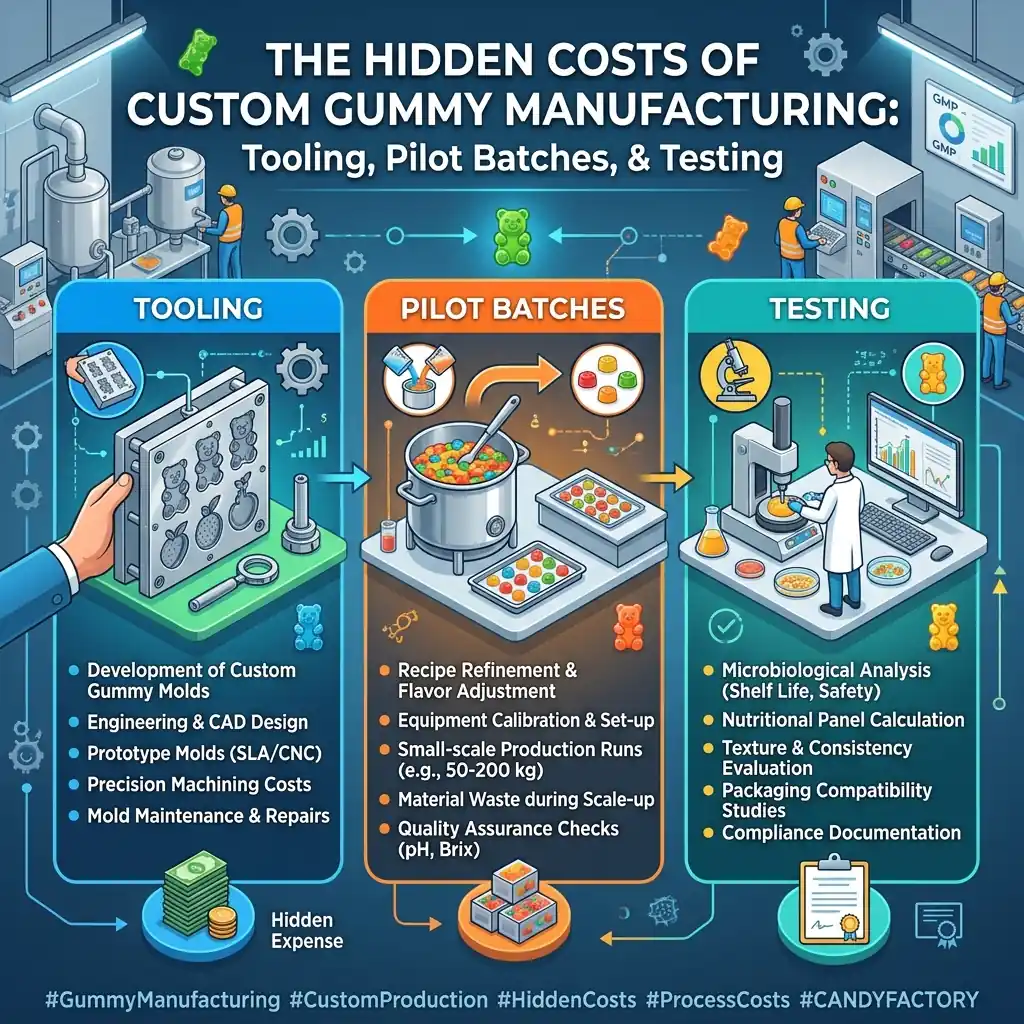
A blank gummy may set perfectly, but minerals, fibers, plant extracts, and buffered vitamins can change pH, water activity, and gel strength. Pilot batches must include the full active load. Do not approve a sample that does not contain the real formula.
Mistake 4: Ignoring pH and Brix control in pectin systems
Small drift in pH or soluble solids changes setting speed and texture. A gummy that is firm in the lab can collapse on the line if acid dosing is not synchronized with depositing speed. Brands should ask how the manufacturer monitors these parameters during production.
Mistake 5: Overloading actives into one gummy
High-dose minerals and proteins can break the gel network, increase off-flavors, and raise water activity. A 3 g gummy cannot carry every ingredient from a capsule. The formulator should reduce or split active loads before scaling.
Mistake 6: Using moisture content alone as a stability target
Water activity matters more than moisture percentage. Two gummies can have similar moisture but very different mold risk, sugar bloom, and texture migration. Water activity should be a release specification, not an afterthought.
Mistake 7: Skipping line-specific scale-up
A 10 kg lab batch hides cooling, viscosity, and setting problems that appear at 500 kg. Mass production uses different mixing, transfer, and cooling rates. Brands should require a pilot batch on the same line that will run the commercial order.
Mistake 8: Choosing a factory on MOQ alone
A low minimum order can hide limited pectin experience, poor drying capacity, or long changeover times. The real cost appears later as rejected batches or unstable product. MOQ should be weighed against process capability and line fit.
Mistake 9: Not defining QC release specifications before production
Brands sometimes approve a prototype but do not set release limits for pH, Brix, water activity, gel strength, and weight. Without these limits, every batch becomes subjective. The factory and brand should agree on measurable release criteria before the first commercial run.
Mistake 10: Ignoring packaging and distribution conditions
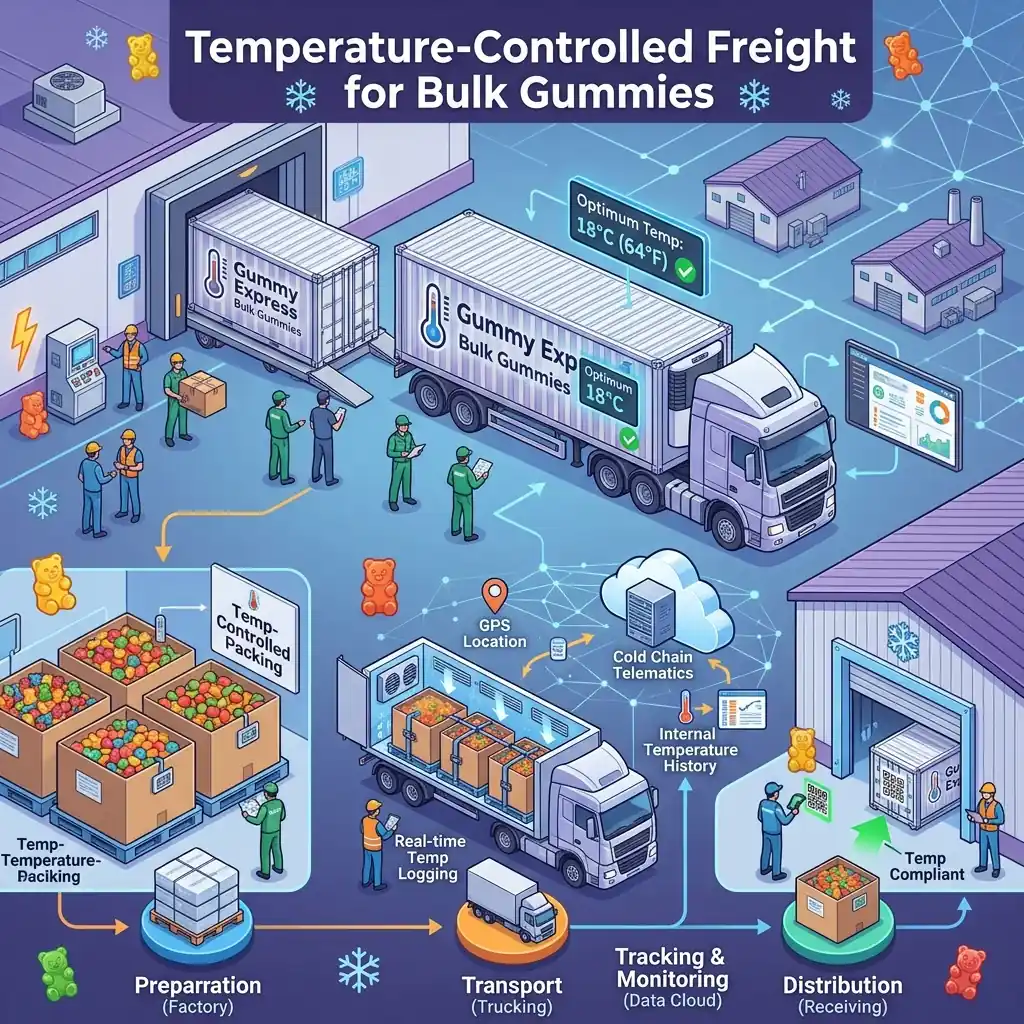
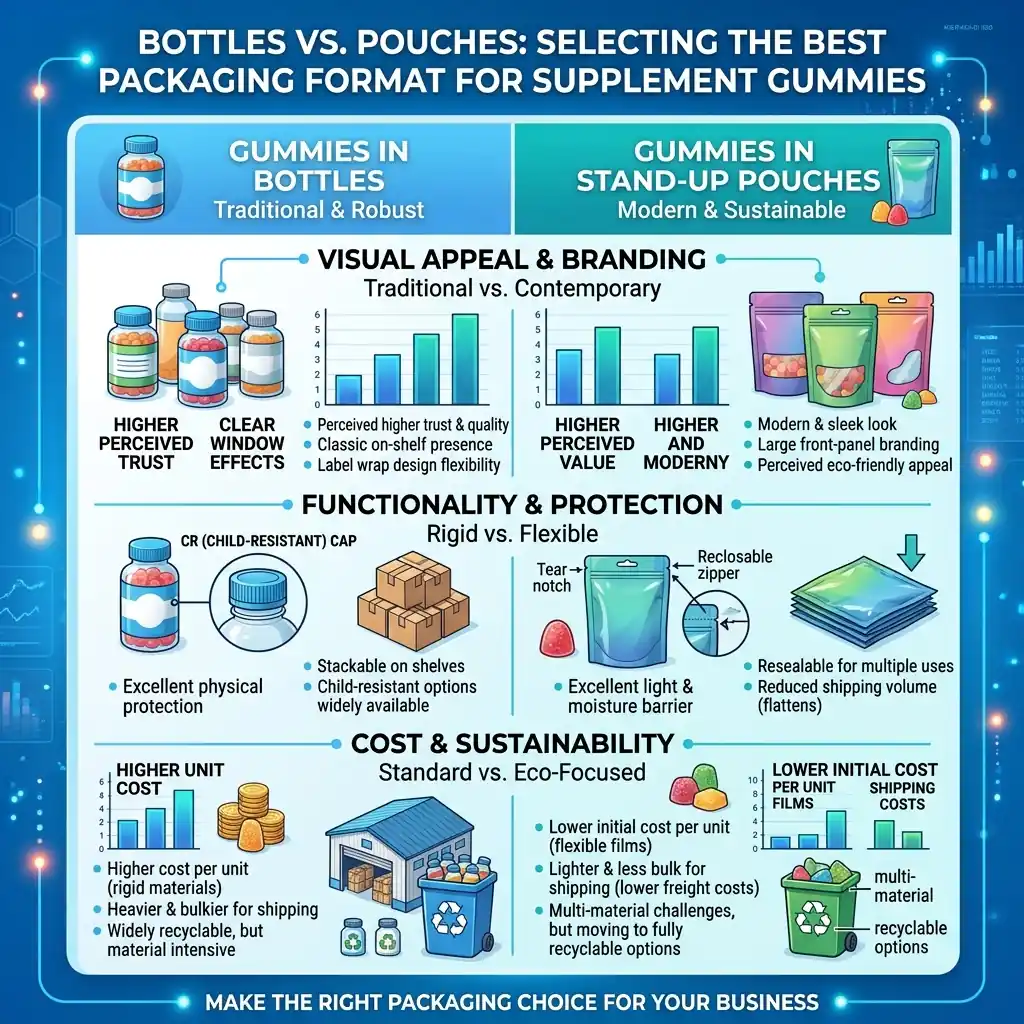
A pectin gummy may pass ambient stability in a lab but fail in a hot truck if the flow wrap or bottle does not block moisture exchange. Gelatin gummies need better heat protection in warm markets. Stability testing must use the final commercial pack, not a bulk sample.
Mistake 11: Assuming GMP certification equals gummy capability
GMP means the facility follows quality systems. It does not mean the factory has deep experience with pectin acid injection, starch mogul drying, or difficult active loads. Ask for production records from similar gummy projects, not just certificates.
Mistake 12: Delaying regulatory and label review
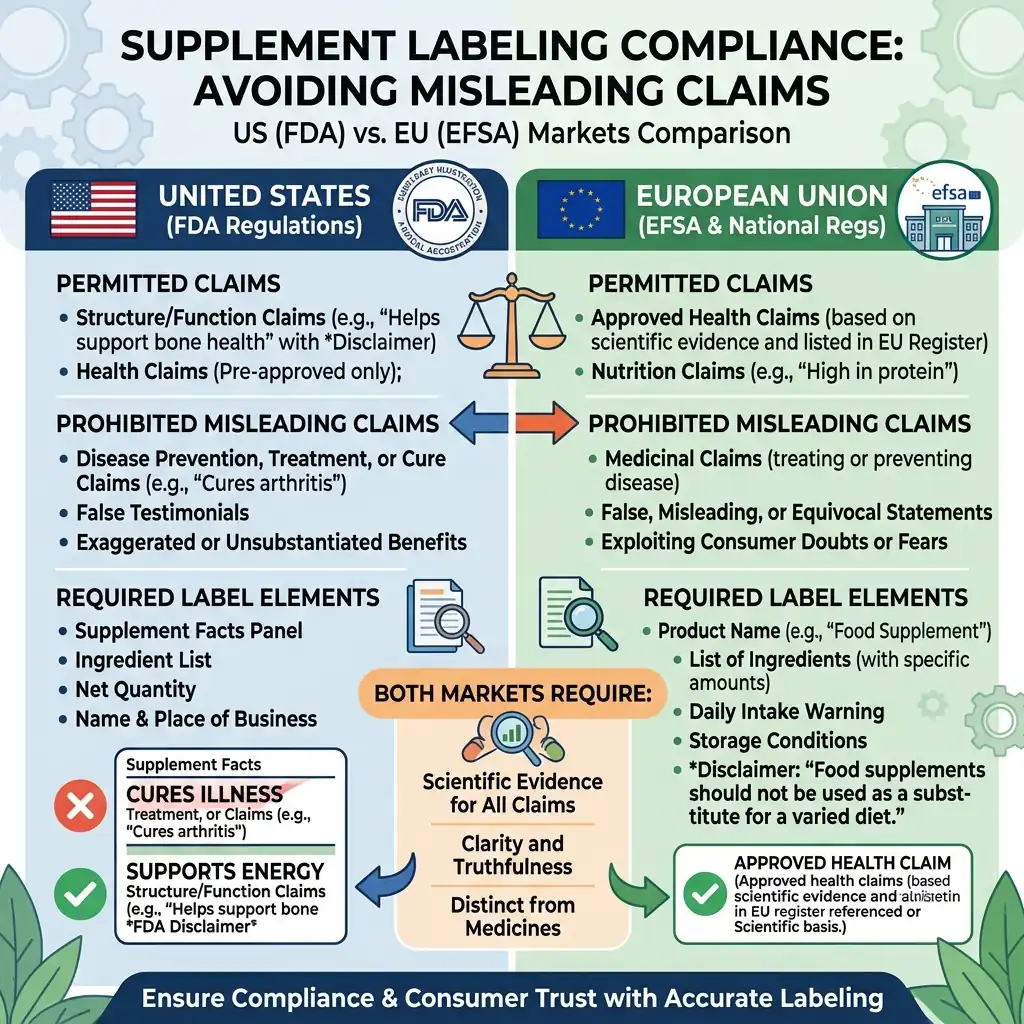
Different markets have different rules for colors, sweeteners, gelatin source, and health claims. A formula approved for one country may fail in another. Regulatory review should happen during formulation, not after the first production run.
How Brands Should Evaluate a Gummy Manufacturer
A good private label gummy manufacturer will ask about the target market, active load, and desired texture before quoting price. If the first response is price per gummy without technical questions, that is a warning sign.
Request a pilot batch on the intended production line, with the full formula and commercial packaging. Review pH, Brix, water activity, and texture data from the pilot, not just a photo of the sample. Ask for a changeover and cleaning procedure if the factory runs both gelatin and pectin.
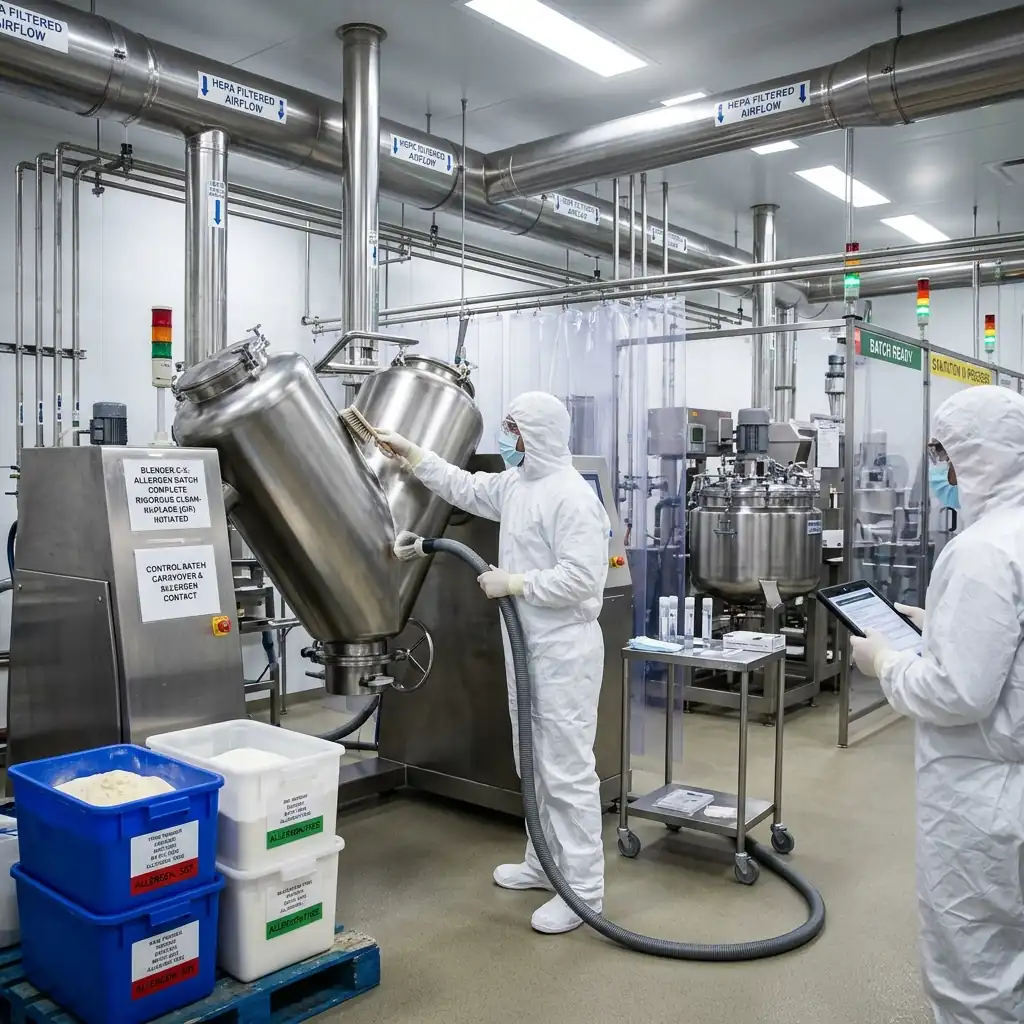
Confirm whether the cleanroom classification covers the depositing area and how the factory controls starch or acid residues. A 100,000-class production cleanroom with a 10,000-class R&D lab supports both development and commercial control, but the brand should verify where the product actually spends its time.
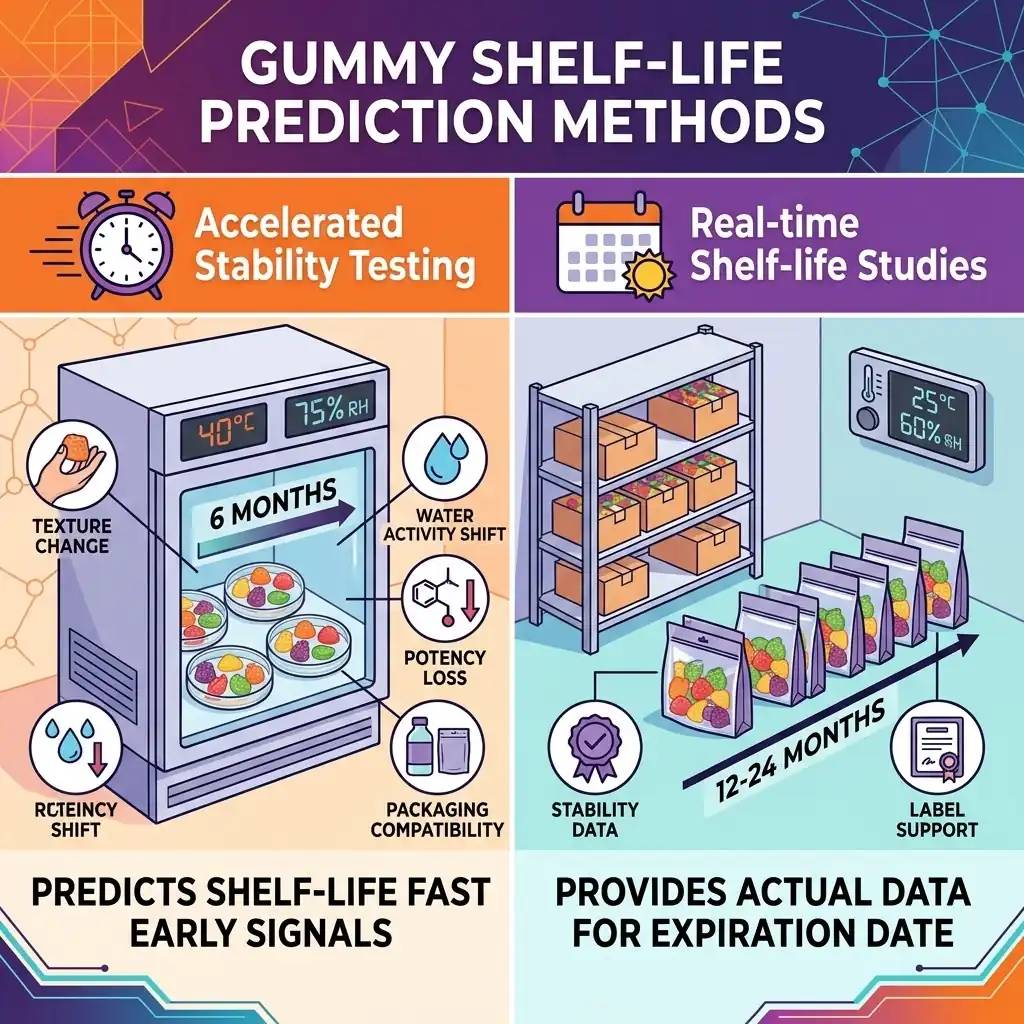
Finally, agree on release specifications and accelerated stability conditions before the first order. The factory should be able to explain what will be tested, how often, and what happens when a batch falls outside limits.
FAQ
Can I switch from gelatin to pectin without changing the rest of my formula?
No. Sugar solids, acid buffer, cook temperature, and depositing settings must change. A direct switch usually produces a soft, sticky, or pre-gelled batch.
What is the most common technical failure in private label gummies?
Texture instability. Gummies harden, soften, sweat, or stick when water activity and packaging are not matched. Micro issues are less common but also stem from uncontrolled water activity.
Why do pectin gummies usually have a higher MOQ than gelatin gummies?
Pectin batching and cleaning are more intensive, and the process needs tighter control. Short runs increase downtime and waste. The MOQ reflects process efficiency, not just raw material cost.
Should I ask for a pilot batch before placing a large order?
Yes. A pilot batch on the same line with the full active load is the best way to catch scale-up issues. Do not skip this step to save time.
What release specifications should a gummy manufacturer provide?
Ask for pH, Brix, water activity, gel strength, weight variation, and final moisture. Sensory texture should also be checked after drying, not only on fresh samples.
Jack Luo|Senior Technical Advisor, Nutrition Research Center Representing Gothink Biology, a GMP-certified dietary supplement manufacturer based in Shenzhen, China.
[Shenzhen Gothink Biotech Co., Ltd. is a China-based nutrition supplement supplier offering OEM, ODM, CMO, and CDMO services. Our GMP-certified facility features a 100,000-class cleanroom with a daily output of 16 tons and an annual capacity of 5,000 tons. We hold certifications including ISO9001, ISO22000, HACCP, FDA, HALAL, GMP, KOSHER, BRC, FSSC 22000, PJPH, and Vegan. Our R&D team, led by scientists with postdoctoral experience at institutions including Cold Spring Harbor Laboratory and Emory University, supports custom formulation development across gummy, capsule, tablet, powder, liquid, and drop supplement categories.]