
Summary
Creatine monohydrate gummies combine the convenience of gummy supplements with one of the most widely used sports nutrition ingredients. For brands looking to launch creatine products, successful manufacturing requires attention to formulation stability, dosage accuracy, texture control, regulatory compliance, and scalable production.
This guide explains how to create creatine gummies, key manufacturing considerations, technical specifications, and how businesses can evaluate contract manufacturing partners.
What Are Creatine Monohydrate Gummies?
Create creatine monohydrate gummies refers to the process of formulating and manufacturing chewable gummy supplements containing creatine monohydrate as the active ingredient. The process typically includes ingredient selection, formulation development, gummy production, quality testing, packaging, and commercialization.
Unlike powders, gummies offer a ready-to-consume format that may improve user convenience and product differentiation in the sports nutrition market.
Why Are Brands Launching Creatine Gummies?
Several market factors have contributed to growing interest in creatine gummies:
- Increased consumer demand for convenient supplement formats
- Growth of sports nutrition and active lifestyle products
- Expansion of functional gummy categories
- Better product differentiation compared to traditional creatine powders
- Opportunities for premium branding and flavor innovation
For many supplement companies, gummies represent a way to reach consumers who dislike powders or capsules.
How to Create Creatine Gummies: Step-by-Step Process
Step 1: Define Product Positioning
Before formulation begins, brands should determine:
- Target consumer group
- Daily creatine dosage
- Sugar or sugar-free preference
- Vegan or gelatin-based formulation
- Flavor profile
- Packaging format
These decisions influence manufacturing feasibility and production costs.
Step 2: Select the Creatine Ingredient
Creatine monohydrate remains the most commonly used form because of:
- Extensive scientific research
- Strong stability profile
- Cost efficiency
- Global availability
Ingredient suppliers should provide:
- Certificate of Analysis (COA)
- Heavy metal testing
- Microbiological testing
- Regulatory documentation
Consistency of raw material quality directly impacts finished product performance.
Step 3: Develop the Gummy Formula
A typical creatine gummy formula includes:
- Creatine monohydrate
- Pectin or gelatin
- Sweeteners
- Flavor systems
- Acids
- Color systems
- Anti-sticking agents
The formulation stage is critical because creatine loading can affect:
- Texture
- Water activity
- Shelf life
- Flavor masking
- Production efficiency
Excessive creatine concentrations may create grittiness or texture instability.
Step 4: Pilot Production and Testing
Pilot batches help validate:
- Creatine distribution uniformity
- Flavor acceptance
- Texture performance
- Shelf-life expectations
- Manufacturing repeatability
Testing should occur before large-scale production begins.
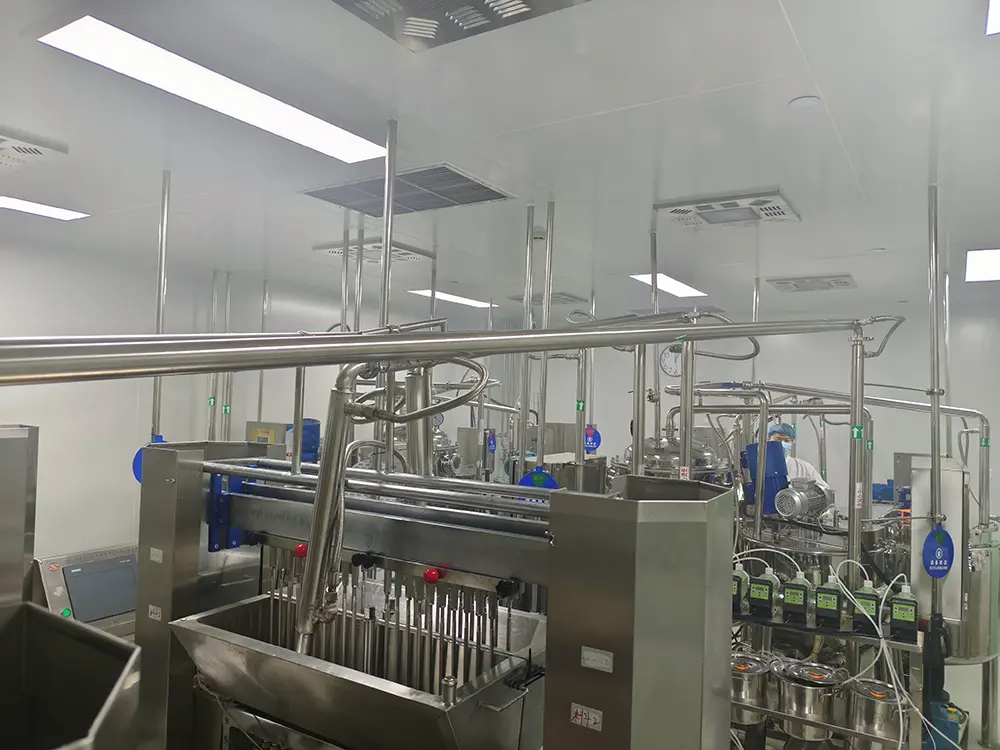
Step 5: Commercial Manufacturing
After formula approval, production typically includes:
- Ingredient weighing
- Gummy slurry preparation
- Active ingredient incorporation
- Depositing and molding
- Cooling and curing
- Coating
- Packaging
- Quality inspection
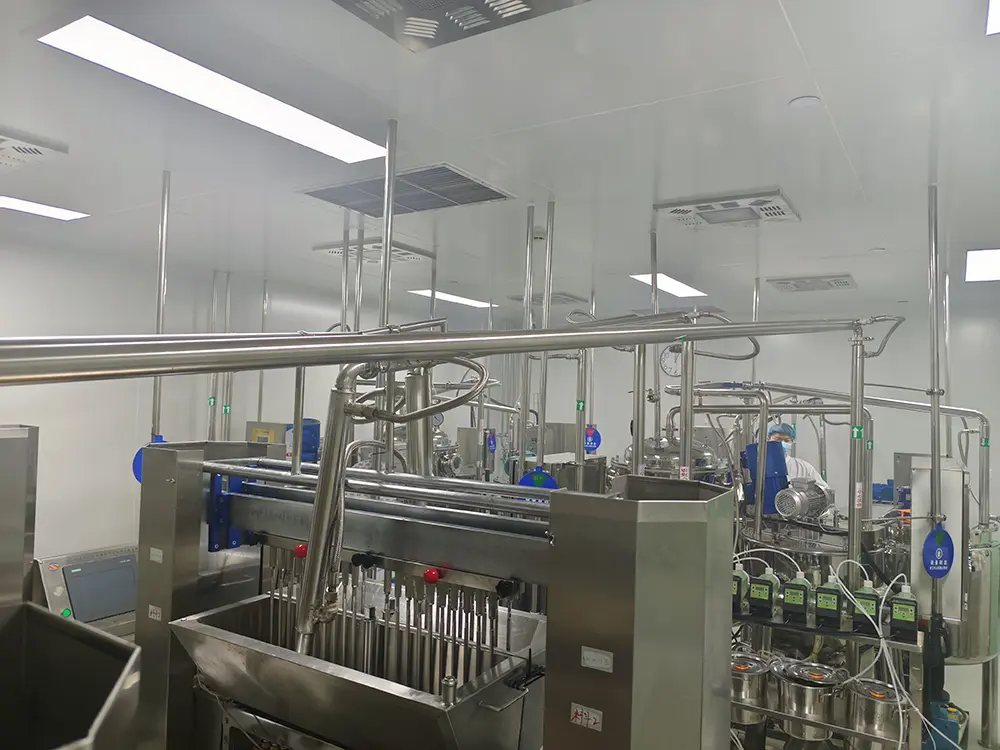
Modern gummy facilities use automated depositing systems to ensure dosage consistency.
Technical Specifications for Creatine Gummies
| Parameter | Typical Range | Manufacturing Consideration |
|---|---|---|
| Creatine Content | 500 mg–2,000 mg per serving | Must maintain dosage uniformity |
| Gelling System | Pectin or Gelatin | Determines texture and positioning |
| Water Activity | 0.45–0.65 | Impacts shelf stability |
| Shelf Life | 18–24 Months | Depends on packaging and formulation |
| Packaging | Bottles, Pouches, Jars | Should protect against moisture |
| MOQ | Varies by manufacturer | Depends on formula complexity |
Quality Control Considerations
Dosage Accuracy
Creatine must be evenly distributed throughout the gummy matrix.
Manufacturers should verify active content through validated analytical testing.
Microbiological Safety
Every batch should undergo testing for:
- Total plate count
- Yeast and mold
- Salmonella
- E. coli
Microbial compliance is essential for market acceptance.
Stability Verification
Creatine degradation can occur under unfavorable conditions.
Stability studies help confirm:
- Active ingredient retention
- Texture consistency
- Flavor stability
- Shelf-life claims
Raw Material Qualification
Qualified suppliers should provide documented quality systems and batch traceability.
Scalability Challenges When Manufacturing Creatine Gummies
Many brands successfully launch pilot batches but encounter challenges when scaling.
Common issues include:
Texture Variability
Higher production volumes can change moisture distribution and curing behavior.
Ingredient Sedimentation
Creatine particles may settle if formulation design is inadequate.
Production Efficiency
Higher creatine loads may reduce depositing efficiency and increase production complexity.
Cost Control
Balancing dosage levels, ingredient costs, and market pricing is critical for sustainable growth.
Manufacturers with gummy-specific expertise are generally better positioned to address these challenges.
Regulatory and Compliance Considerations
Creatine gummies must comply with regulations in target markets.
Important compliance areas include:
- Ingredient legality
- Supplement labeling
- Allergen declarations
- Nutrition facts panels
- Good Manufacturing Practices (GMP)
- Product claims review
Brands should avoid unsupported performance or medical claims.
Regulatory review should occur before product launch.
B2B Decision Guide: Choosing a Creatine Gummies Manufacturer
When evaluating a creatine gummies manufacturer, businesses should assess several factors.
Manufacturing Certifications
Look for facilities operating under recognized quality systems such as:
- GMP
- ISO 9001
- ISO 22000
- HACCP
Third-party certifications help demonstrate manufacturing consistency.
R&D Capability
Strong formulation teams can help optimize:
- Creatine loading
- Texture
- Flavor masking
- Stability
R&D support often reduces development time.
Customization Options
An experienced custom gummy manufacturer should offer:
- Custom formulas
- Custom shapes
- Flavor development
- Packaging options
- Label design support
Customization can improve brand differentiation.
Production Capacity
Production capability becomes increasingly important as sales grow.
Questions to ask include:
- Daily production volume
- Lead times
- Expansion capacity
- Inventory management processes
Private Label Support
Many brands prefer private label gummy solutions to reduce development costs and accelerate market entry.
Private label programs typically include:
- Existing formulations
- Packaging support
- Regulatory documentation
- Faster commercialization timelines
Gummy Contract Manufacturing vs. In-House Production
| Factor | Gummy Contract Manufacturing | In-House Manufacturing |
|---|---|---|
| Capital Investment | Lower | Higher |
| Speed to Market | Faster | Slower |
| Technical Expertise | Available Immediately | Must Build Internally |
| Regulatory Systems | Already Established | Requires Investment |
| Scalability | Flexible | Dependent on Capacity |
For most emerging supplement brands, Gummy Contract Manufacturing provides a lower-risk path to market.
Conclusion
Creating creatine monohydrate gummies requires more than simply adding creatine to a gummy base. Successful products depend on formulation expertise, dosage consistency, stability management, regulatory compliance, and scalable manufacturing systems.
Brands evaluating opportunities in the sports nutrition category should prioritize manufacturing partners that can support formulation development, quality assurance, and long-term production growth.
FAQ
What is the best form of creatine for gummies?
Creatine monohydrate is the most commonly used form due to its extensive research history, availability, and cost efficiency.
Can creatine remain stable in gummy supplements?
Yes. Proper formulation, moisture control, and packaging help maintain stability throughout the product’s shelf life.
How much creatine is typically included in gummies?
Most products contain between 500 mg and 2,000 mg of creatine per serving, depending on formulation goals.
Are vegan creatine gummies possible?
Yes. Pectin-based systems are commonly used to produce vegan-friendly creatine gummies.
What should brands look for in a creatine gummies manufacturer?
Key factors include certifications, R&D capability, production capacity, customization options, and quality control systems.
Is private label manufacturing available for creatine gummies?
Yes. Many manufacturers offer private label programs that allow brands to launch products using established formulations and packaging solutions.
About Our Creatine Gummy Manufacturing Services
As an experienced dietary supplement manufacturer, we provide comprehensive OEM, ODM, and contract manufacturing solutions for creatine gummies and other functional gummy supplements.
Our capabilities include:
- Custom creatine gummy formulation development
- OEM and ODM manufacturing
- Private label product solutions
- Flavor and texture customization
- Custom packaging and branding
- Regulatory and documentation support
- Pilot runs and large-scale production
- Wholesale and global distribution support
Supported by a GMP-compliant manufacturing facility, advanced R&D resources, and integrated quality control systems, we help brands efficiently transform product concepts into scalable commercial products. From startup launches to high-volume retail programs, our team provides flexible customization and reliable mass-production capabilities tailored to your business objectives.