
ENAUARFRESRUDE
news banner

Blogs

GOTHINK Biotech News & Updates

Stay informed with GOTHINK Biotech’s company news, industry trends, application cases, events, and expert knowledge.

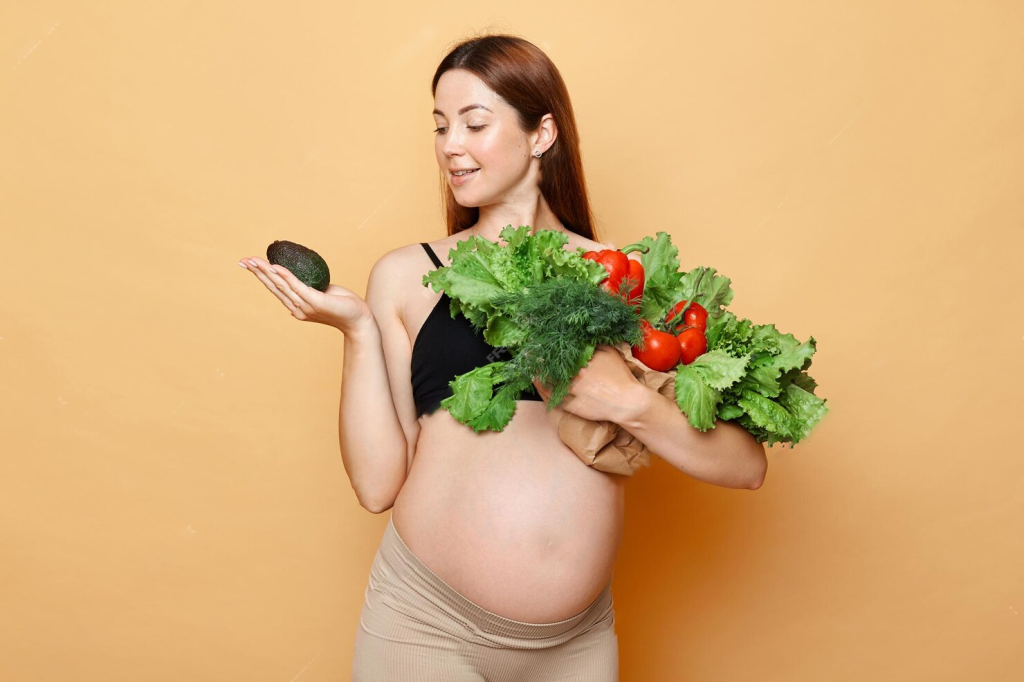
Foods and Dietary Supplements Suggestion for Pregnant Women


Adequate nutrition during pregnancy is crucial for fetal development. Pregnant women need to pay special attention to a variety of key nutrients to ensure the healthy growth of the fetus and meet the body’s demands. Through a balanced diet and appropriate nutritional supplementation, pregnant women can create an optimal environment for fetal development.

1. Folic Acid (Vitamin B9)

·Role: Prevents neural tube defects and supports fetal brain and spinal cord development.

·Food Sources: Leafy greens (e.g., spinach, kale), legumes, citrus fruits.

·Supplement Recommendation: 400-600 mcg daily, starting 3 months before conception and continuing through the first trimester.

2. Iron

·Role: Prevents anemia and supports blood supply for both mother and baby.

·Food Sources: Red meat, poultry, fish, beans, dark green vegetables.

·Supplement Recommendation: Iron supplements as advised by a doctor.

3. Calcium

·Role: Supports fetal bone and teeth development and maintains maternal bone health.

·Food Sources: Dairy products (e.g., milk, yogurt, cheese), tofu, dark green vegetables.

·Supplement Recommendation: 1000-1300 mg daily.

4. DHA (Omega-3 Fatty Acids)

·Role: Promotes fetal brain and vision development.

·Food Sources: Fatty fish (e.g., salmon, sardines), flaxseeds, walnuts.

·Supplement Recommendation: 200-300 mg daily.

5. Protein

·Role: Supports fetal tissue growth and maternal health.

·Food Sources: Lean meat, fish, eggs, beans, dairy products.

·Supplement Recommendation: 70-100 g daily.

6. Vitamin D

·Role: Enhances calcium absorption and supports fetal bone development.

·Food Sources: Fish, egg yolks, fortified dairy products.

·Supplement Recommendation: 600-800 IU daily.

7. Sialic Acid

·Role: Sialic acid is a key component of nerve cells, supporting fetal brain development and maternal immunity.

·Food Sources: Bird’s nest, breast milk (postpartum), sialic acid supplements, such as sialic acid gummies and capsules.

·Supplement Recommendation: Moderate consumption of bird’s nest or sialic acid supplements, 100-150 mg daily.

8. Iodine

·Role: Supports fetal thyroid and brain development.

·Food Sources: Seaweed, iodized salt.

·Supplement Recommendation: 220 mcg daily.

9. Vitamin C

·Role: Enhances iron absorption and boosts immunity.

·Food Sources: Citrus fruits, strawberries, tomatoes, bell peppers.

·Supplement Recommendation: 85 mg daily.

Notes

·Maintain a balanced and varied diet during pregnancy, avoiding processed foods high in sugar and fat.

·Consult a doctor before taking supplements to avoid excessive intake.
 

Latest News

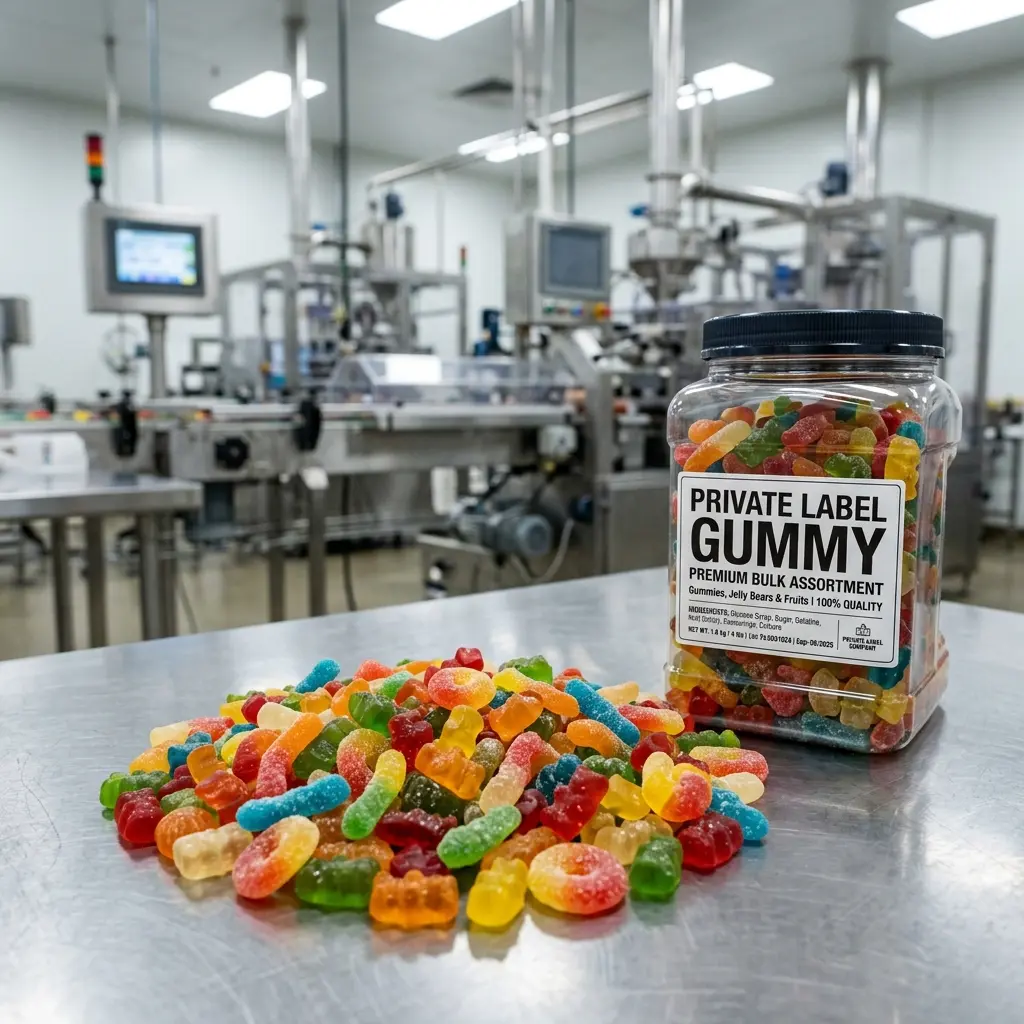
  • How Private Label Gummies Are Made: Inside a Modern Gummy Factory

    How Private Label Gummies Are Made: Inside a Modern Gummy Factory

    Every successful gummy supplement brand starts with a single question: “What actually happens inside a gummy factory?” If you’re sourcing private label gummies, understanding the manufacturing journey isn’t just useful—it directly affects your product quality, compliance, and time to market. Here’s a practical walk-through of how contract manufacturers turn a formula into a finished, shelf-ready…

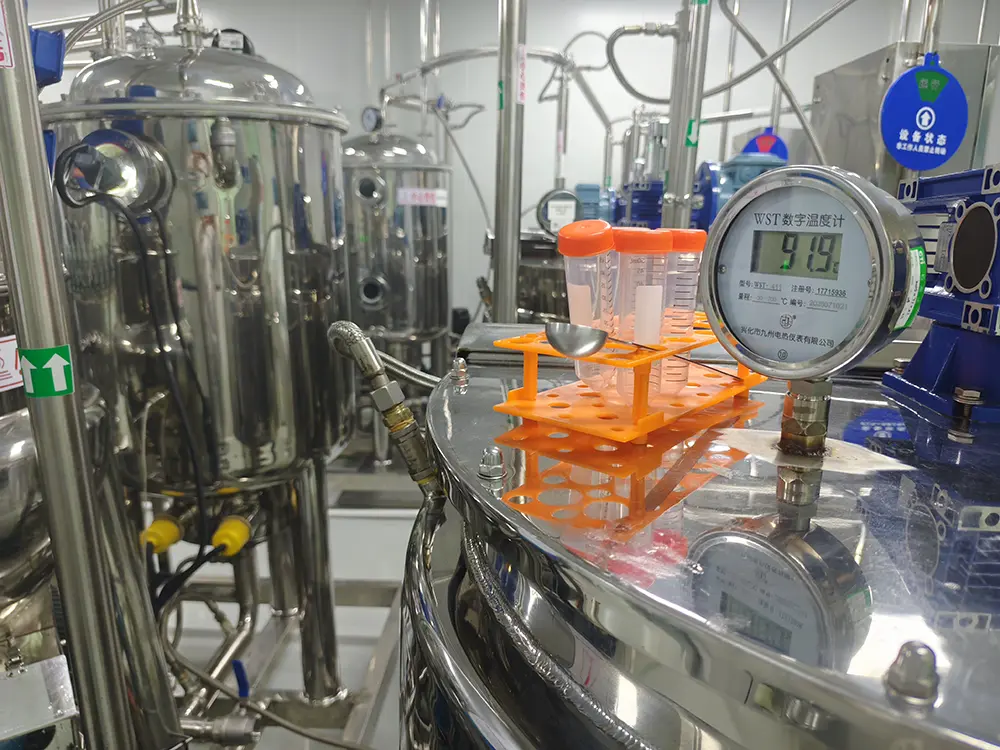
  • How to Make Gummies That Meet FDA and Global Quality Standards

    How to Make Gummies That Meet FDA and Global Quality Standards

    Abstract Producing gummies that satisfy FDA regulations and international quality benchmarks requires a systematic approach spanning raw material selection, formulation design, controlled manufacturing, and rigorous testing. This guide outlines the complete process for commercial gummy production with emphasis on compliance, scalability, and quality assurance. It is intended for B2B professionals seeking to develop private label…

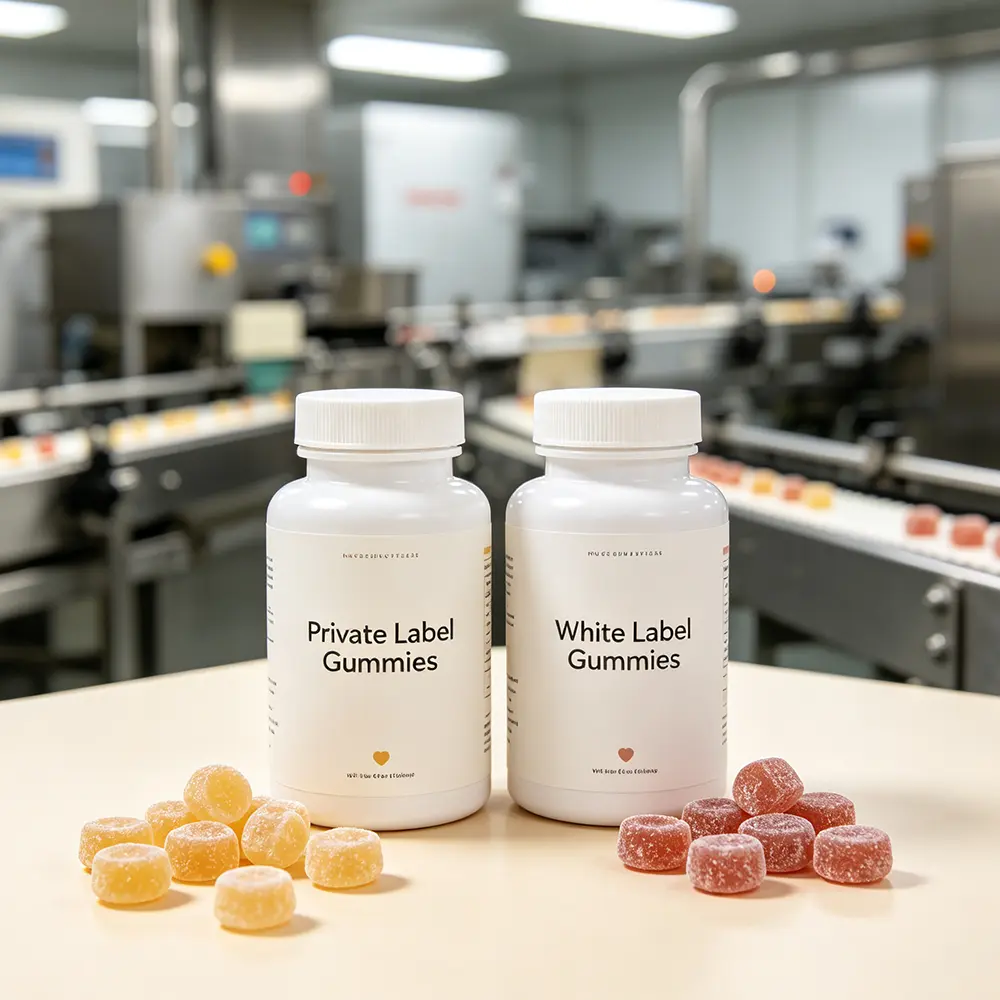
  • Private Label Gummies vs White Label Gummies: What’s the Difference?

    Private Label Gummies vs White Label Gummies: What’s the Difference?

    Understanding the distinction between private label and white label gummy production models is essential for brands entering the dietary supplement market. This article provides a structured comparison of both approaches, covering formulation control, cost structures, compliance requirements, and scalability to help B2B buyers make informed sourcing decisions. What Are Private Label and White Label Gummies?…

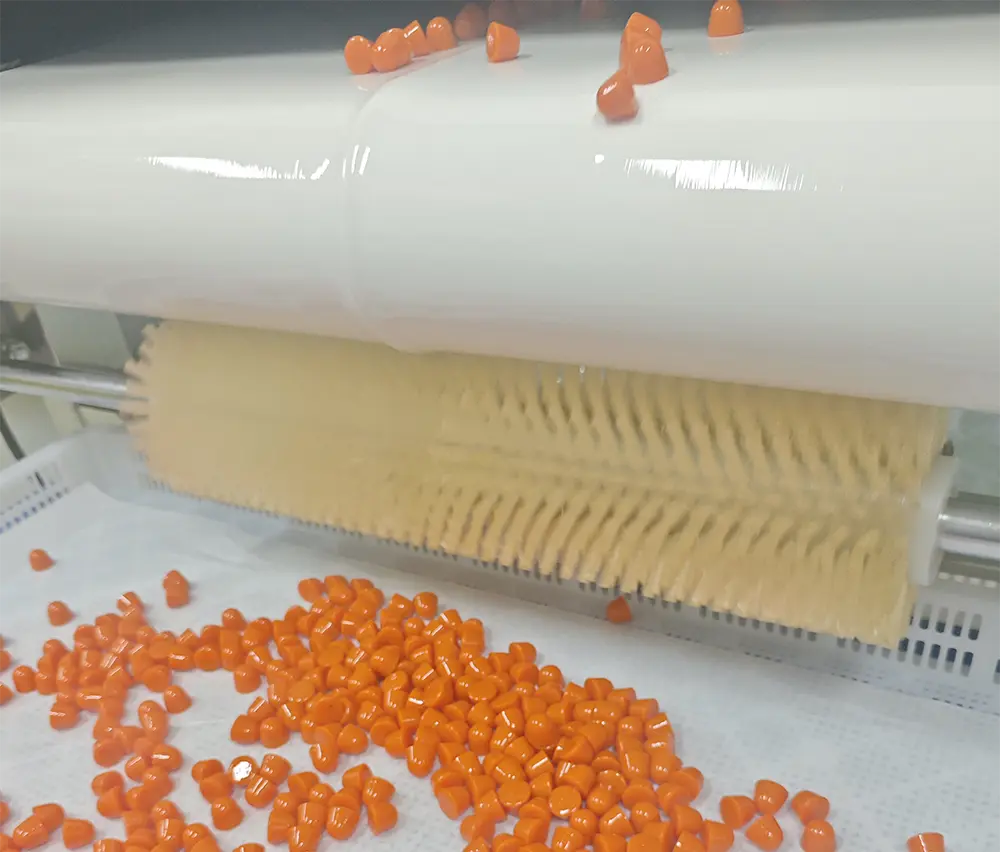
  • How to Make Gummies for Retail: Ingredients, Equipment and Manufacturing Process

    How to Make Gummies for Retail: Ingredients, Equipment and Manufacturing Process

    Abstract Producing gummies for retail requires a systematic approach that covers ingredient selection, equipment configuration, and a tightly controlled manufacturing process. This guide details each production stage from formulation to packaging, with practical insights on quality control, scalability, and regulatory compliance. It is designed as a professional reference for brands and businesses evaluating how to…

  • How to Choose the Right Private Label Gummy Manufacturer for Your Brand

    How to Choose the Right Private Label Gummy Manufacturer for Your Brand

    Summary Selecting the right manufacturing partner is the most critical decision when launching a gummy supplement product. This guide outlines a structured evaluation framework covering production capabilities, quality compliance, scalability, and B2B decision criteria to help brands identify a reliable Private Label Gummy Manufacturer. Each section is designed to provide actionable, fact-based checkpoints for informed…


You May Also Like