
Summary
Gummy bears are produced through a controlled manufacturing process that combines ingredients, cooking, molding, drying, and packaging. Modern gummy production relies on precise temperature control, formulation expertise, and quality assurance systems to ensure consistent texture, flavor, appearance, and shelf stability.
For brands entering the supplement or confectionery market, understanding how gummy bears are made helps evaluate production capabilities, quality standards, and manufacturing partners.
What Are Gummy Bears?
How gummy bears are made refers to the industrial process of transforming sweeteners, gelling agents, flavors, colors, and functional ingredients into chewable gummy candies through cooking, depositing, molding, drying, and packaging operations.
Commercial gummy production is designed to achieve consistent taste, texture, shape, and shelf life while meeting food safety and regulatory requirements.
The Basic Ingredients Used to Make Gummy Bears
Most gummy bears contain the following components:
- Sweeteners (sugar, glucose syrup, maltitol, isomaltulose, etc.)
- Gelling agents (gelatin, pectin, carrageenan)
- Water
- Food acids (citric acid, malic acid)
- Natural or artificial flavors
- Food colorings
- Functional ingredients (for supplement gummies)
The selection of ingredients directly impacts texture, stability, flavor release, and manufacturing efficiency.
Step-by-Step: How Gummy Bears Are Made
Step 1: Raw Material Preparation
Manufacturers inspect and weigh all ingredients according to the approved formulation.
Key objectives:
- Ingredient accuracy
- Batch consistency
- Regulatory compliance
- Traceability documentation
Every ingredient lot should be verified before production begins.
Step 2: Mixing and Cooking
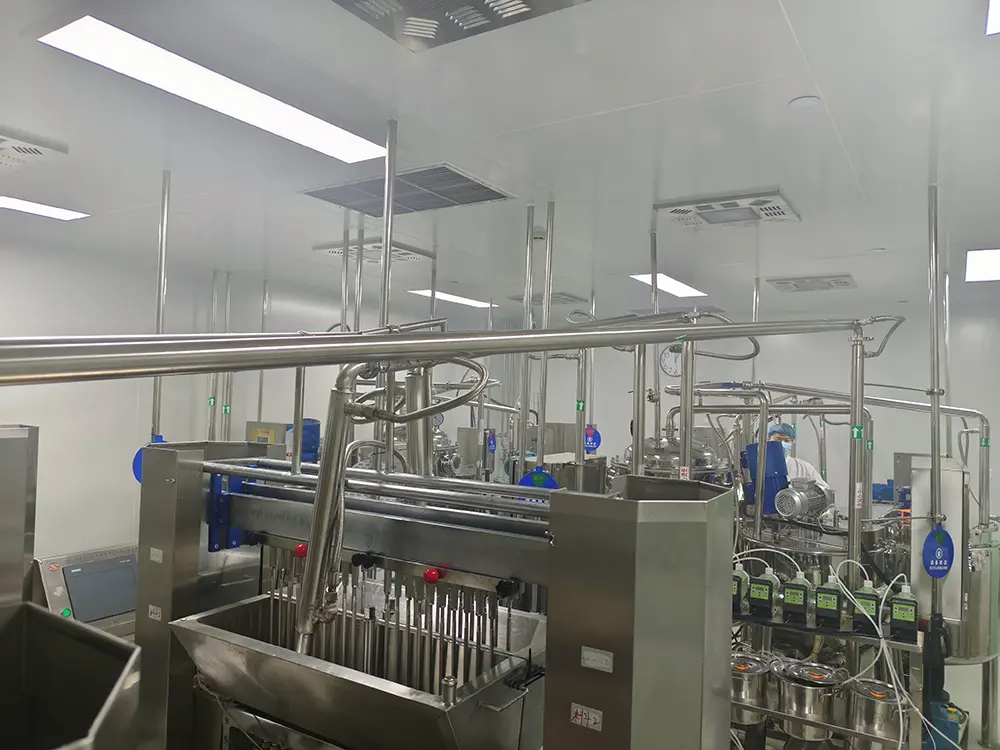
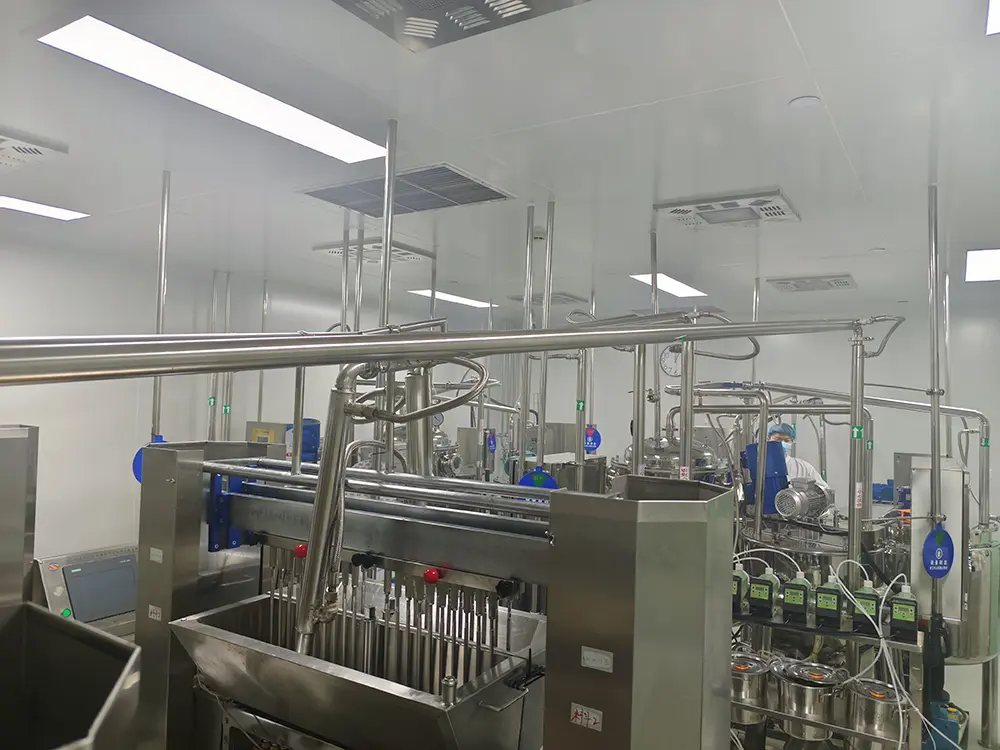
The sweeteners, water, and gelling agents are mixed in large stainless-steel kettles.
The mixture is heated under controlled conditions to:
- Dissolve ingredients completely
- Activate gelling systems
- Eliminate air bubbles
- Achieve target solids content
Temperature control is critical because overheating can damage flavors, colors, and active ingredients.
Step 3: Adding Flavors and Colors
After cooking, the gummy base is cooled to an appropriate temperature.
Manufacturers then add:
- Natural flavors
- Fruit concentrates
- Color systems
- Acids
- Functional nutrients (if applicable)
Sensitive ingredients are usually added later in the process to minimize degradation.
Step 4: Depositing Into Molds
The liquid gummy mass is deposited into molds using automated equipment.
Common mold options include:
- Bear shapes
- Fruits
- Animals
- Custom brand shapes
- Logos
Modern custom gummy manufacturer facilities often use starchless silicone or metal mold systems for greater precision and efficiency.
Step 5: Cooling and Gel Formation
The deposited gummies enter cooling tunnels or controlled rooms.
During this stage:
- Gel structure develops
- Shape stabilizes
- Surface consistency improves
The cooling time depends on:
- Formula type
- Gelling agent
- Product size
- Environmental conditions
Step 6: Drying and Curing
Drying is one of the most important stages in gummy production.
Objectives include:
- Reducing moisture content
- Improving chewiness
- Enhancing shelf life
- Preventing stickiness
Depending on formulation, drying may take from several hours to several days.
Step 7: Oil or Coating Application
After drying, gummies may receive surface treatments such as:
- Coconut oil
- Carnauba wax
- Sugar coating
- Acid sanding
These coatings improve appearance, mouthfeel, and packaging performance.
Step 8: Inspection and Quality Control
Before packaging, manufacturers perform quality checks on:
- Weight
- Appearance
- Moisture
- Texture
- Flavor
- Microbiology
- Stability
Products failing specifications are removed from the production line.
Step 9: Packaging
Finished gummies are packaged into:
- Bottles
- Pouches
- Blister packs
- Bulk containers
Packaging protects the product from:
- Moisture
- Oxygen
- Light
- Physical damage
Proper packaging significantly influences shelf life.
Technical Parameters in Gummy Bear Manufacturing
| Parameter | Typical Range | Purpose |
|---|---|---|
| Cooking Temperature | 110°C–140°C | Dissolution and concentration |
| Final Moisture Content | 12%–20% | Texture and shelf stability |
| pH Range | 3.0–4.0 | Flavor and preservation |
| Drying Time | 12–72 Hours | Moisture reduction |
| Storage Temperature | 15°C–25°C | Product stability |
| Typical Shelf Life | 12–24 Months | Commercial distribution |
Production Factors That Affect Gummy Quality
Formula Design
The balance between sweeteners, gelling agents, acids, and moisture determines:
- Texture
- Taste
- Shelf life
- Consumer acceptance
Formula optimization is often the foundation of successful gummy products.
Gelling System Selection
Different gelling agents create different textures.
| Gelling Agent | Characteristics |
|---|---|
| Gelatin | Elastic, chewy texture |
| Pectin | Vegan-friendly, clean label |
| Carrageenan | Heat stable and plant-based |
The choice depends on market positioning and regulatory requirements.
Moisture Control
Excess moisture can cause:
- Sticky surfaces
- Shape deformation
- Shorter shelf life
Insufficient moisture may result in gummies becoming hard or brittle.
Process Consistency
Automated depositing systems help maintain:
- Uniform weight
- Accurate dosing
- Shape consistency
- Production efficiency
Consistency becomes increasingly important in large-scale manufacturing.
Quality Control Requirements for Commercial Gummy Production
Professional Gummy Contract Manufacturing operations typically implement:
- GMP manufacturing systems
- HACCP food safety programs
- Incoming raw material testing
- In-process inspections
- Finished product testing
- Stability studies
- Traceability systems
Quality assurance protects both product performance and brand reputation.
Scalability Considerations for Growing Brands
When brands move from pilot production to commercial scale, several factors become critical:
Production Capacity
Manufacturers should be able to support:
- Product launches
- Seasonal demand
- International expansion
Supply Chain Stability
Reliable sourcing helps prevent:
- Ingredient shortages
- Production delays
- Cost volatility
Packaging Flexibility
Growing brands often require:
- Multiple package formats
- Market-specific labeling
- Retail-ready solutions
Regulatory Support
Manufacturers should understand:
- FDA requirements
- EU regulations
- Label compliance
- Export documentation
B2B Decision Guide: Choosing a Gummy Manufacturing Partner
For brands seeking private label gummy products or custom formulations, evaluating a manufacturer should go beyond pricing.
Key criteria include:
R&D Capability
Look for manufacturers with:
- Formulation expertise
- Pilot-scale development
- Ingredient compatibility testing
Manufacturing Capacity
Evaluate:
- Daily output
- Annual production volume
- Expansion capability
Certifications
Important certifications may include:
- GMP
- ISO 9001
- ISO 22000
- HACCP
- HALAL
- KOSHER
Customization Options
A strong private label gummy manufacturer should support:
- Formula customization
- Flavor development
- Shape design
- Packaging customization
- Regulatory documentation
Supply Flexibility
Whether purchasing gummy bulk quantities or launching a retail brand, scalable production capability is essential.
Conclusion
Understanding how gummy bears are made reveals that gummy production is far more complex than simply mixing ingredients. Successful manufacturing requires precise formulation, controlled processing, rigorous quality management, and scalable production systems. For brands entering the gummy market, selecting an experienced manufacturing partner can significantly improve product quality, compliance, and speed to market.
FAQ
How do manufacturers make gummy bears?
Manufacturers cook sweeteners and gelling agents, add flavors and colors, deposit the mixture into molds, dry the gummies, and package the finished products.
What ingredient makes gummy bears chewy?
Gelatin is traditionally used to create a chewy texture, while pectin and carrageenan are common plant-based alternatives.
How long does it take to make gummy bears?
The complete process, including drying and curing, can take from several hours to several days depending on the formulation.
Are gummy bears made with gelatin?
Many traditional gummy bears use gelatin, but vegan gummies typically use pectin or carrageenan.
What is the most important quality factor in gummy production?
Moisture control is one of the most critical factors because it affects texture, stability, and shelf life.
Can gummy bears be customized for brands?
Yes. Manufacturers can customize formulations, flavors, shapes, colors, packaging, and labeling for private-label and OEM projects.
About Our Gummy Manufacturing Capabilities
As an experienced dietary supplement and gummy manufacturer, we provide comprehensive OEM, ODM, and private-label solutions for global brands. Our services cover formula development, ingredient sourcing, custom shape design, flavor optimization, regulatory support, manufacturing, quality control, and packaging.
Our facilities support large-scale wholesale gummies production and customized product development for startups, e-commerce sellers, retailers, distributors, and established health brands. From concept to commercial launch, we help customers create differentiated gummy products with scalable production capacity, flexible minimum order quantities, and end-to-end manufacturing support.
Whether you need a custom functional gummy, vegan gummy, vitamin gummy, or full-brand make gummy bear development project, our team provides tailored solutions designed for efficient market entry and long-term growth.