
Abstract
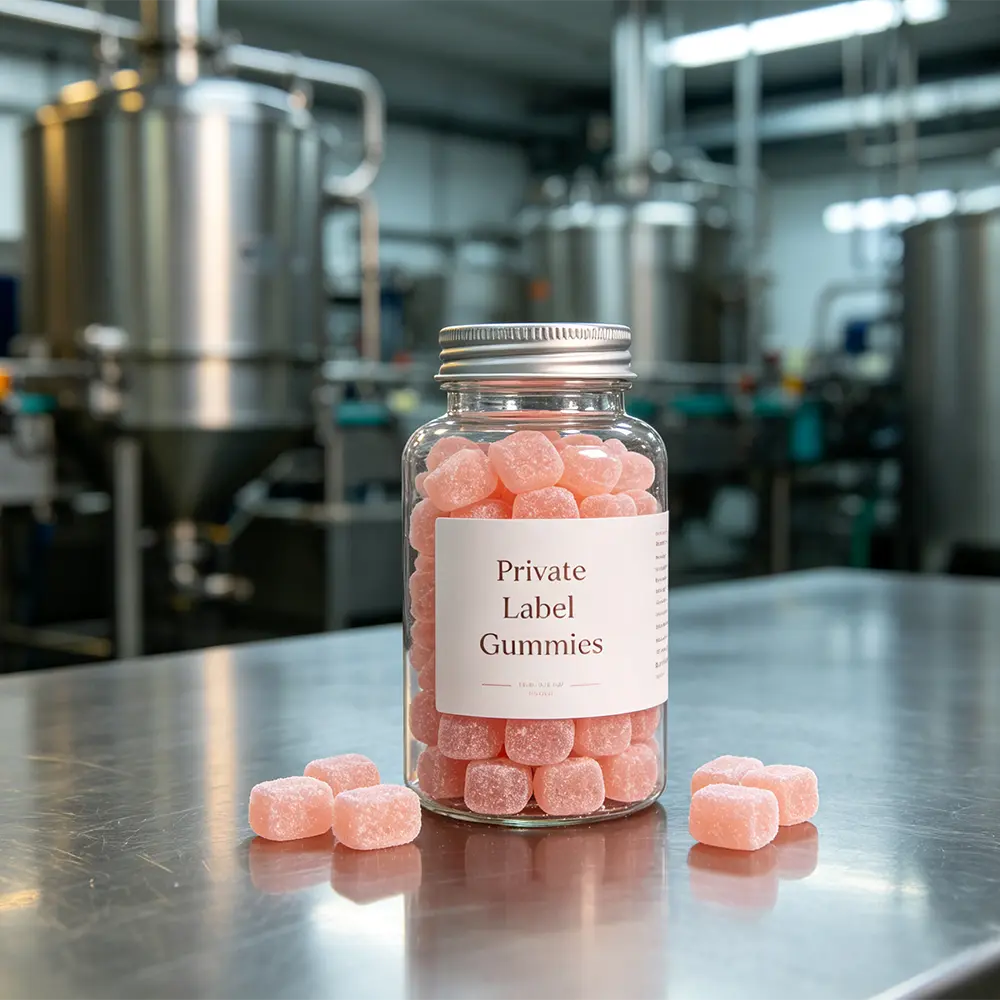
Launching a gummy supplement brand on Amazon, Shopify, or retail shelves requires more than a good recipe. It demands a reliable production framework covering gummy manufacturing science, formulation, regulatory compliance, scalable production, and channel-specific private label packaging strategy. This guide walks B2B brand owners and product managers through each critical decision point, from selecting gelling agents to choosing the right contract manufacturing partner for your private label gummies.
Definition
The smart way to make gummies refers to a systematic, data-informed approach to gummy supplement production that integrates formula optimization, regulatory alignment, scalable manufacturing processes, and channel-specific packaging design. Unlike ad-hoc production, this method prioritizes cost efficiency, consistency, and market compliance from the first trial batch through full-scale commercial output.
Why the Gummy Category Demands a Strategic Approach
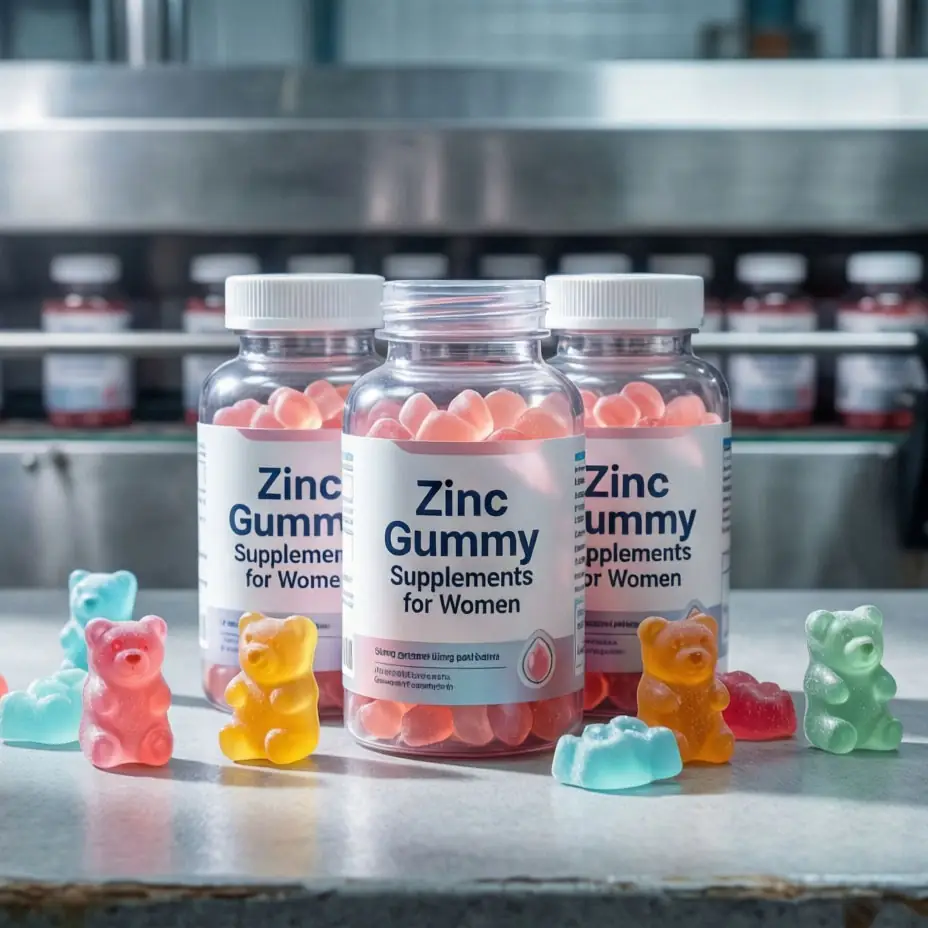
The global gummy supplement market has grown rapidly across all major sales channels. Amazon FBA sellers, Shopify DTC brands, and traditional retail buyers each face distinct requirements for product quality, shelf stability, labeling, and unit economics. A misstep in any single area — for example, using a gelatin base when your target demographic expects a vegan product — can result in negative reviews, listing suspensions, or return surges that erode margins.
Successful brands treat gummy production as a strategic supply chain decision, not a simple procurement transaction. This means evaluating manufacturers on technical capability, compliance depth, and scalability rather than price alone.
Step-by-Step Framework for Launching Gummy Products Across Channels
Step 1: Define Your Product Positioning and Target Channel
Before any formulation work begins, clarify where the product will sell and who will buy it. Amazon listings compete heavily on reviews, price-per-serving, and Supplement Facts panel clarity. Shopify stores can leverage storytelling, premium packaging, and subscription models. Retail stores require barcode compliance, planogram-friendly packaging, and longer shelf-life guarantees. Each channel shapes your formulation, dosage, and packaging decisions.
Step 2: Select the Right Gelling System
The choice between gelatin, pectin, and carrageenan determines your product’s dietary compatibility, texture profile, and production complexity. Gelatin delivers a traditional chew but excludes vegan and halal consumers. Pectin and carrageenan open plant-based markets but require tighter moisture and temperature control during production. Your contract manufacturer should offer all three options and recommend the best fit based on your target audience and cost targets.
Step 3: Develop a Stable, Bioavailable Formula
Gummies present unique formulation challenges. Heat-sensitive actives like probiotics and certain vitamins degrade during the cooking and drying stages. Minerals like zinc and iron can catalyze oxidation, affecting color and flavor stability. A qualified Gummy Manufacturing partner will conduct stability testing at 40°C and 75% relative humidity for 90 to 180 days, ensuring your product holds up through Amazon warehouse storage and retail distribution cycles.
Step 4: Validate Regulatory Compliance for Each Market
Amazon enforces strict Supplement Facts formatting and prohibits certain structure-function claims without proper FDA disclaimer language. Shopify stores selling internationally must navigate EU Food Supplement Directive thresholds and country-specific restricted ingredient lists. Retail buyers often require third-party test results from accredited laboratories. Your manufacturer should provide COAs, allergen statements, and regulatory review as a standard service, not an add-on.
Step 5: Design Channel-Optimized Packaging
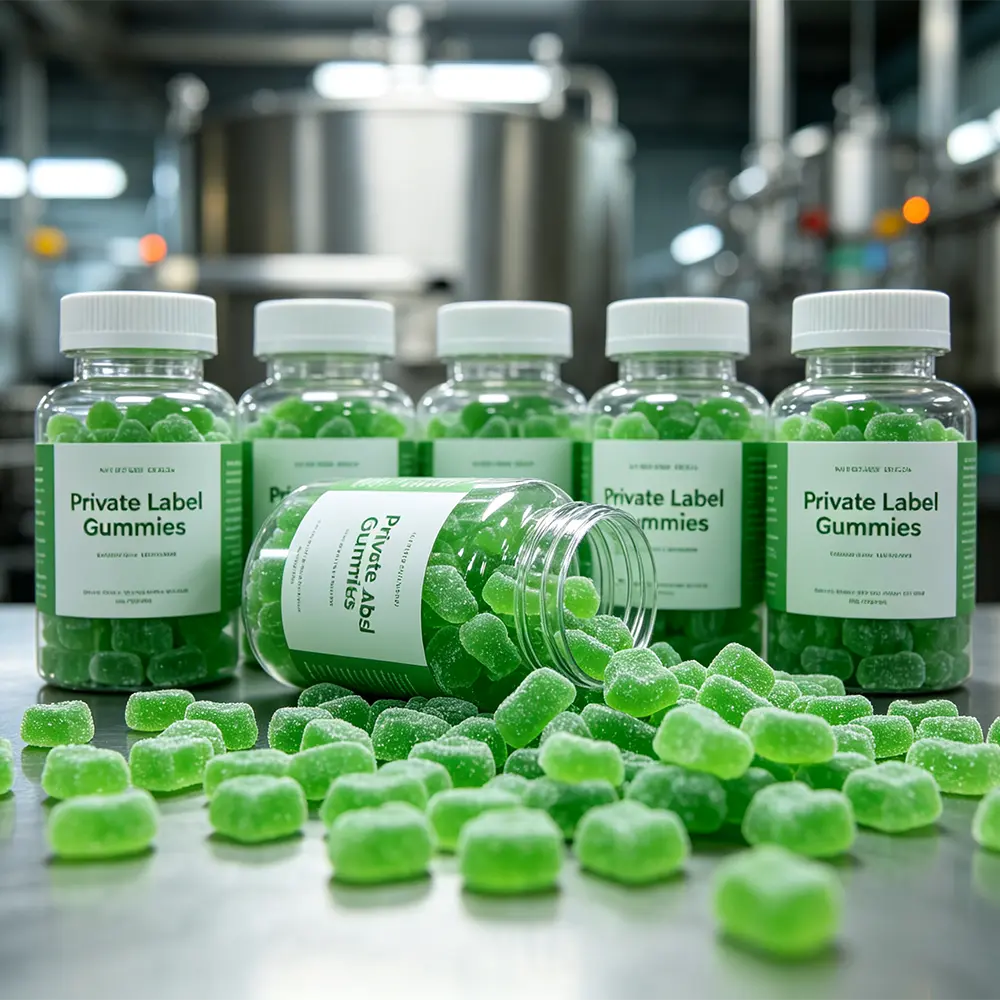
Amazon favors compact, tamper-evident pouches or bottles that reduce FBA storage fees. Shopify brands often invest in premium box designs with QR codes linking to landing pages. Retail packaging must include UPC barcodes, lot codes, and sufficient facing space for shelf display. Private label gummies programs typically offer multiple packaging formats within a single production run, allowing brands to test different SKUs across channels without re-tooling costs.
Step 6: Scale from Pilot Batch to Full Production
Start with a pilot batch of 5,000 to 10,000 units to validate consumer response on Amazon or through a Shopify pre-sale. Once demand is confirmed, scale to 50,000-plus units to unlock per-unit cost reductions. The key is working with a manufacturer that supports low minimum order quantities at the trial stage while maintaining the ability to ramp to 16-ton daily output for established SKUs.
Practical Insights: Operational Dimensions That Determine Success
Production Capability
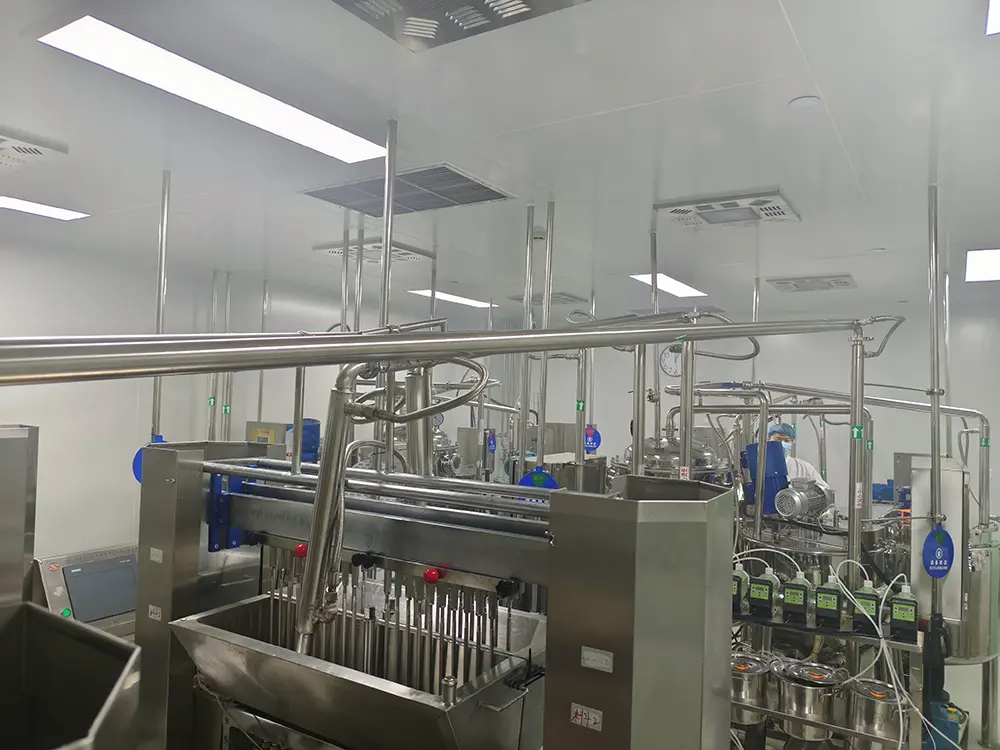
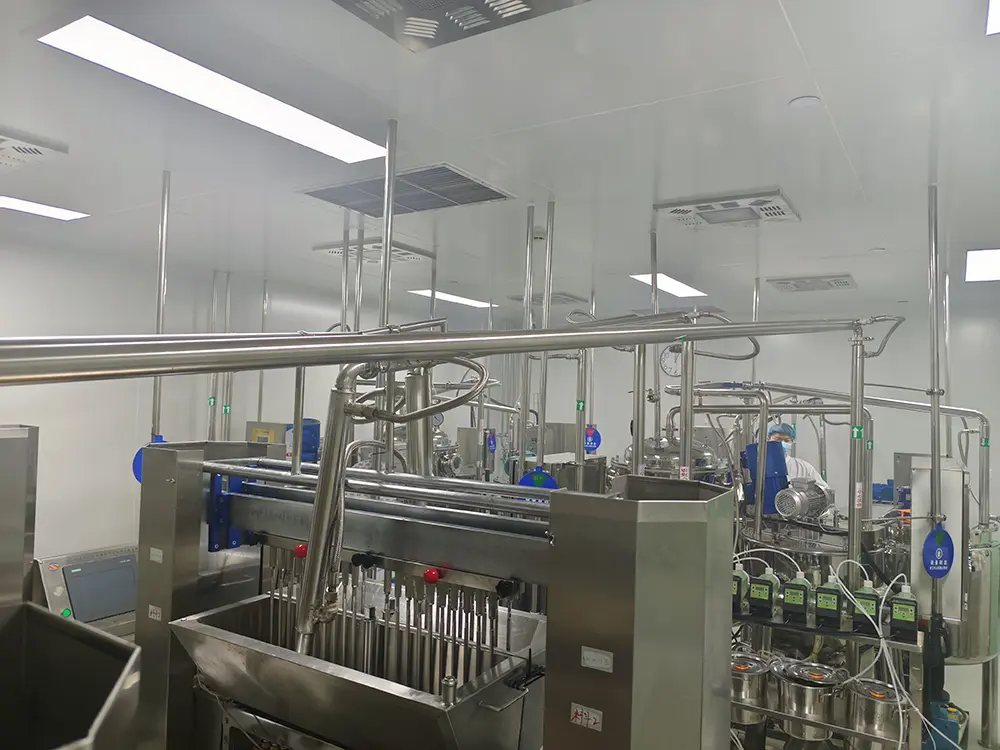
Facilities with 100,000-class cleanrooms and pharmaceutical-grade R&D laboratories produce gummies with lower microbial contamination risk. Daily output capacity of 16 tons ensures that seasonal demand spikes — common on Amazon during Q4 — do not cause stockouts. Automated depositing systems provide consistent weight control, typically within plus or minus 3% of the target weight per piece.
Quality Control
Effective QC programs cover incoming raw material testing, in-process checks (Brix, pH, viscosity), and finished product analysis (weight variation, texture, active content via HPLC or microbiological methods). Certifications such as ISO 22000, HACCP, and BRC signal that a facility has validated preventive controls rather than relying solely on end-product testing.
Scalability
Brands that start with a single gummy SKU often expand to five or more variants within 12 months. A manufacturer with an annual capacity of 5,000 tons can accommodate this growth without requiring brands to split production across multiple suppliers, which introduces batch-to-batch consistency risks.
Compliance Depth
Multi-certification manufacturers holding FDA, HALAL, KOSHER, Vegan, FSSC 22000, and PJPH credentials can serve North American, Middle Eastern, European, and Southeast Asian markets from a single production line. This eliminates the need to reformulate or re-qualify products for different regional requirements.
B2B Decision Panel: Choosing the Right Gummy Manufacturing Partner
Criterion 1: Formulation Expertise
Does the manufacturer have in-house R&D led by scientists with advanced degrees and industry publication records? Teams with postdoctoral-level expertise in biochemistry and plant extraction can develop differentiated formulas that justify premium pricing on Shopify and retail shelves.
Criterion 2: MOQ Flexibility
Can the manufacturer support trial orders below 10,000 units without excessive per-unit surcharges? Flexible MOQ structures are critical for new Amazon sellers testing niches before committing to large inventory purchases.
Criterion 3: Turnkey Service Scope
Does the manufacturer provide end-to-end support including formulation, flavor design, mold selection, packaging sourcing, regulatory review, and export logistics? Turnkey providers reduce the number of vendors a brand must manage, shortening time-to-market by 30 to 50 percent.
Criterion 4: Certification Portfolio
Verify that the manufacturer holds current, audited certifications relevant to your target markets. Request copies of certificates and confirm the certifying body. Certifications should cover both the facility and the specific product categories you intend to produce.
Criterion 5: Track Record with Your Sales Channel
Ask for case studies or references from brands selling on your target channel. A manufacturer experienced with Amazon FBA requirements understands weight constraints, polybagging rules, and expiration date formatting. A retail-focused manufacturer understands planogram ratios and shelf-life margin requirements.
Technical Parameter Table: Gummy Production Specifications
| Parameter | Specification | Industry Standard Range | Testing Method |
|---|---|---|---|
| Weight per piece | 2g – 6g | ±3% of target | Analytical balance |
| Moisture content | 12% – 18% | ±2% | Karl Fischer titration |
| Brix (cooking stage) | 72 – 80 | ±1.5 | Refractometer |
| pH range | 3.0 – 4.5 | ±0.2 | pH meter |
| Shelf life | 18 – 24 months | Min. 18 months | Accelerated stability (40°C/75% RH) |
| Microbial limits (TPC) | ≤ 1,000 CFU/g | Per USP <61> | Plate count method |
| Gelling agent options | Gelatin / Pectin / Carrageenan | N/A | Formula specification |
| Cleanroom class | 100,000-class (ISO 8) | ISO 8 or better | Particle counter monitoring |
Conclusion
Building a profitable gummy supplement brand across Amazon, Shopify, and retail channels requires a production strategy that balances formula quality, regulatory compliance, packaging optimization, and scalable manufacturing. The brands that succeed treat their manufacturing partner as a strategic asset, not a commodity vendor. By following the framework outlined above — from gelling system selection through pilot-to-scale production — B2B brand owners can reduce launch risk, improve unit economics, and establish a supply chain capable of supporting long-term growth. To explore how Gothink Biology can help you make gummies that excel across all sales channels, contact our experts or visit gothinkbio.com.
FAQ
Q: What is the minimum order quantity for gummy supplement production?
A: Most contract manufacturers offer flexible MOQs starting from 5,000 to 30,000 units for trial runs, with significantly lower per-unit costs at 100,000 units and above. The exact MOQ depends on the complexity of the formula, gelling agent type, and packaging format.
Q: How long does it take to go from formula to finished gummy product?
A: A typical timeline ranges from 30 to 60 working days, including formulation development (7–14 days), pilot batch production (5–7 days), stability testing initiation (ongoing), and full production run (10–20 days). Packaging design and regulatory review run in parallel.
Q: Can the same gummy formula be sold on Amazon, Shopify, and retail stores?
A: The core formula can remain identical, but packaging, labeling, and sometimes serving size may need adjustment. Amazon requires specific Supplement Facts formatting, Shopify allows more creative packaging, and retail often demands UPC barcodes and specific shelf-life labeling. A turnkey manufacturer can produce channel-specific variants from a single master batch.
Q: What certifications should a gummy manufacturer have for international sales?
A: For global distribution, look for ISO 22000, HACCP, GMP, FDA registration, BRC, FSSC 22000, and market-specific certifications such as HALAL, KOSHER, and Vegan. These credentials ensure the product meets regulatory requirements in North America, Europe, the Middle East, and Asia.
Q: Are pectin gummies more expensive to produce than gelatin gummies?
A: Pectin raw material costs are typically 15 to 30% higher than gelatin, and pectin production requires tighter process control, which can add 5 to 10% in manufacturing costs. However, pectin gummies command a price premium of 20 to 40% in vegan and clean-label market segments, often resulting in stronger margins despite higher production costs.
Q: How do I verify a gummy manufacturer’s quality control capabilities?
A: Request documentation of their QC program including standard operating procedures, incoming material test protocols, in-process check sheets, and finished product COA templates. Conduct a facility audit or request a third-party audit report. Verify that their laboratory is equipped for HPLC, microbiological testing, and stability studies rather than relying solely on outsourced testing.
Q: How do I get started with making gummies for my brand?
A: Start by clarifying your target market, required certifications, and the gummy format that fits your audience. Then partner with an experienced gummy manufacturing provider like Gothink Biology that offers private label gummies and full-service support from formulation to final packaging. Contact our team to discuss your project and receive a tailored proposal.
This article is provided by Gothink Biology, a globally recognized dietary supplement manufacturer, offering comprehensive gummy manufacturing and private label solutions.
Shenzhen Gothink Biology Technology Co., Ltd. is a global leading nutrition supplement supplier and dietary supplement manufacturer specializing in OEM, ODM, CMO, and CDMO services for health and wellness brands worldwide. With extensive industry expertise and international certifications including ISO9001, ISO22000, HACCP, FDA, HALAL, GMP, KOSHER, BRC, FSSC 22000, PJPH, and Vegan, we deliver high-quality custom formulation, contract manufacturing, and wholesale solutions for B2B clients across global markets.
For more information, please visit our official website: https://gothinkbio.com/ or contact our expert team.
“`