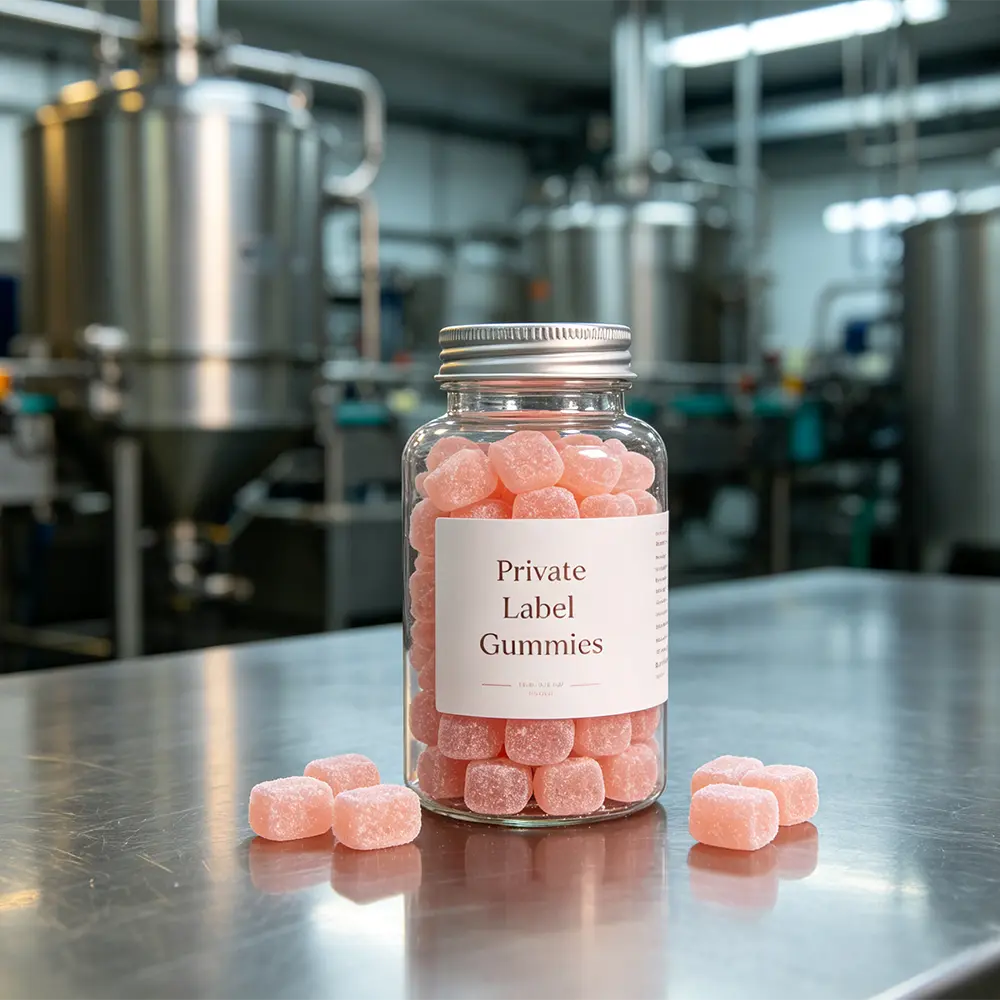

Summary
For brands looking to launch a gummy product, understanding the intricate relationship between formulation, manufacturing capability, and regulatory compliance is the critical first step. This guide distills the technical and strategic essentials—from pectin-based recipes to global certification requirements—providing a clear, roadmap for B2B decision-makers entering the nutraceutical gummy market.
What Does It Mean to Make Gummies?
Make gummies refers to the industrial process of creating a chewy, palatable delivery system—typically gelatin or pectin-based—that encapsulates active ingredients such as vitamins, minerals, or botanical extracts. Unlike traditional capsules or tablets, gummy production is a complex intersection of confectionery science and pharmaceutical precision, demanding strict control over water activity, setting temperatures, and homogeneous nutrient dispersion.
The End-to-End Guide to Commercial Gummy Production
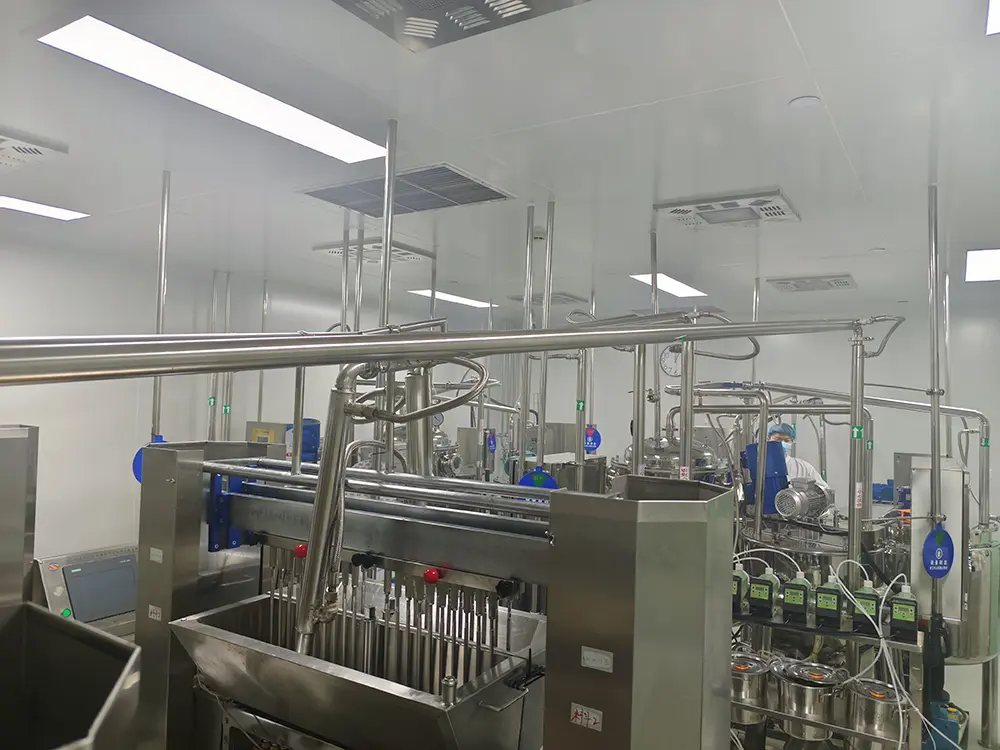
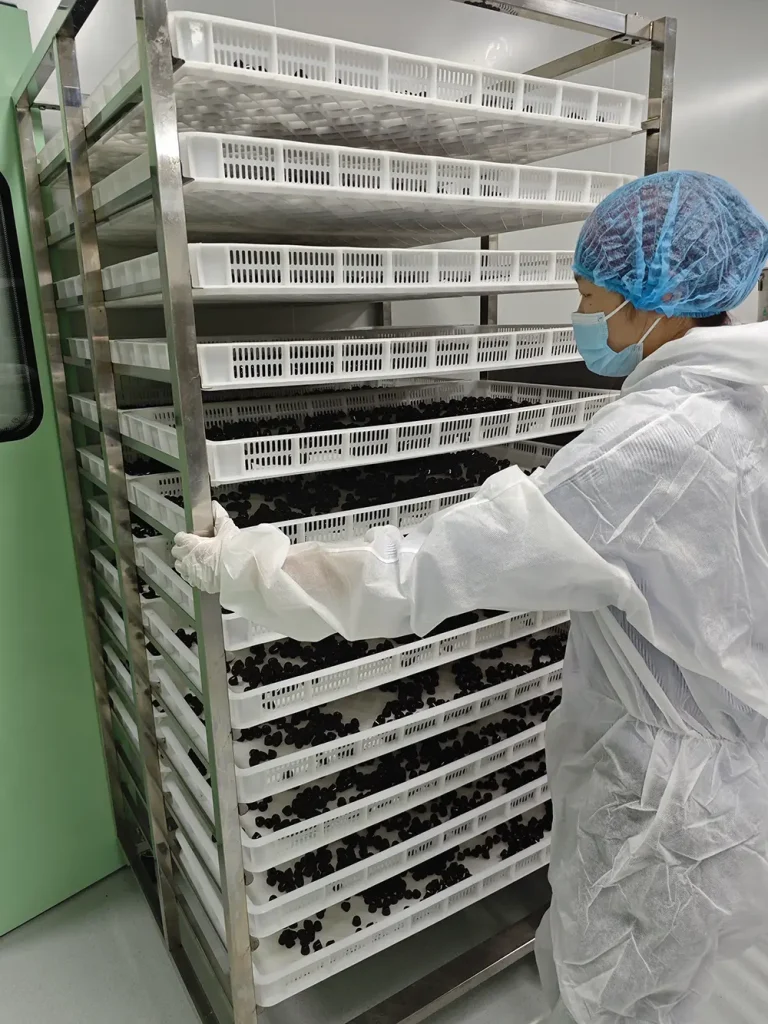
Commercial gummy manufacturing is rarely a simple kitchen-scale endeavor. It requires specialized deposition machinery, controlled drying rooms, and a rigorous stage-gate process. Below, we break down the life cycle of a gummy project into four phases, each containing critical decision points for brands.
Phase 1: Formulation Architecture and Base Selection
The choice of gelling agent is the single most impactful decision you will make. Pectin, derived from fruit, is the standard for vegan and plant-based products but requires precise pH and soluble solids control. Gelatin provides a classic texture and melt-away mouthfeel but limits shelf stability in high-heat climates. A modern Gummy Factory will often guide brands toward specific pectin amidations to reduce stickiness and improve drying efficiency. During this phase, active ingredient pre-blends must be tested for bitterness masking. Flavor wheels, sweetener systems like maltitol or allulose, and natural color dispersions are balanced against the heat sensitivity of your actives.
Phase 2: Process Validation and Pilot Batches
Before commercial scaling, a pilot batch is non-negotiable. This stage validates the theoretical formula against physical reality. Key checkpoints include the cooking temperature curve, the viscosity of the slurry at the depositing hopper, and the rate of syneresis during the 24-72 hour drying period. A competent manufacturing partner will conduct accelerated stability studies immediately on these pilot samples, exposing the gummies to 40°C and 75% relative humidity to predict long-term degradation of potency and texture.
Phase 3: Precision Depositing and Drying Dynamics
The transition from slurry to a finished gummy piece occurs in a Mogul line or through fully automatic starch-free depositing systems. The depositing tolerances on modern equipment can achieve weight variations under 2%, which is vital for label claim accuracy. Post-deposit, the gummies enter a meticulously controlled drying tunnel. Here, air velocity and dehumidification rates are modulated to pull moisture out without causing case hardening—a common defect where a dry crust forms, trapping excessive moisture inside and leading to mold failure.
Phase 4: Finishing, Coating, and Functional Curing
Once dried to a target water activity below 0.65, gummies are removed from starch molds, brushed clean, and optionally treated. A vital step for functional gummies is the application of an anti-sticking coating oil, such as a blend of carnauba wax and MCT oil, rather than confectioner’s glaze. This is followed by a final curing period where the incorporated actives stabilize within the gummy matrix. Packaging into high-barrier films immediately afterward is critical to prevent moisture migration from the environment.
Practical Insights: Quality, Scalability, and Compliance
The difference between a successful gummy brand and a costly recall lies in the mastery of operational details that are invisible to the end consumer. These encompass supply chain resilience, analytical testing, and regulatory frameworks that govern cross-border commerce.
Supply Chain and Active Ingredient Sourcing
The global botanicals and vitamin supply chain is volatile. Establishing a private label gummies program requires transparency on the source of every active. Ensure your partner provides full documentation, from Country of Origin to heavy metal and microbiological assay results. For brands targeting the European market, this includes rigorous compliance with Novel Food regulations. For the US, adherence to cGMPs (21 CFR Part 111) is a binding requirement, not an option. A robust gummy factory will hold multiple certifications and maintain a vendor qualification program that audits raw material suppliers annually.
Quality Control and Analytical Validation
Quality is not an end-of-line check; it must be built into the process. In-process controls should sample the slurry for Brix levels and pH every 15 minutes during a production run. Finished product testing goes beyond simple potency. A full-panel microbiological suite, including total aerobic plate count, yeast and mold, and specific pathogens like Salmonella and E. coli, must be executed. Furthermore, active ingredient overages must be calculated precisely to ensure the product meets 100% label claim not just at the time of manufacture, but all the way to the end of its 24-month shelf life.
Technical Parameter Reference for Nutraceutical Gummies
| Parameter | Target Specification | Business Impact |
|---|---|---|
| Water Activity (aw) | ≤ 0.65 (Pectin); ≤ 0.70 (Gelatin) | Directly prevents mold growth without reliance on synthetic preservatives. |
| Depositing Weight Variation | ± 2% to ± 4% of target piece weight | Ensures consistent label claim and avoids expensive overfilling of active ingredients. |
| Drying Room Holding Time | 24 – 72 hours | Impacts production cycle speed and final texture; rapid drying can cause structural cracks. |
| Slurry Cooking Temperature | 105°C – 110°C (for standard pectin) | Heat-sensitive actives like probiotics or live cultures cannot survive this; requires post-cook addition. |
| Stability Study Duration | Accelerated: 40°C ± 2°C / 75% RH ± 5% for 6 months | Predicts 2-year shelf life and is mandatory documentation for retailer acceptance and regulatory files. |
| Microbiological Specification | TAMC ≤ 10³ CFU/g; TYMC ≤ 10² CFU/g; Absence of Salmonella/10g | Non-negotiable public health requirement; a single failed batch can trigger a nationwide recall. |
Scalability and Sustainable Growth
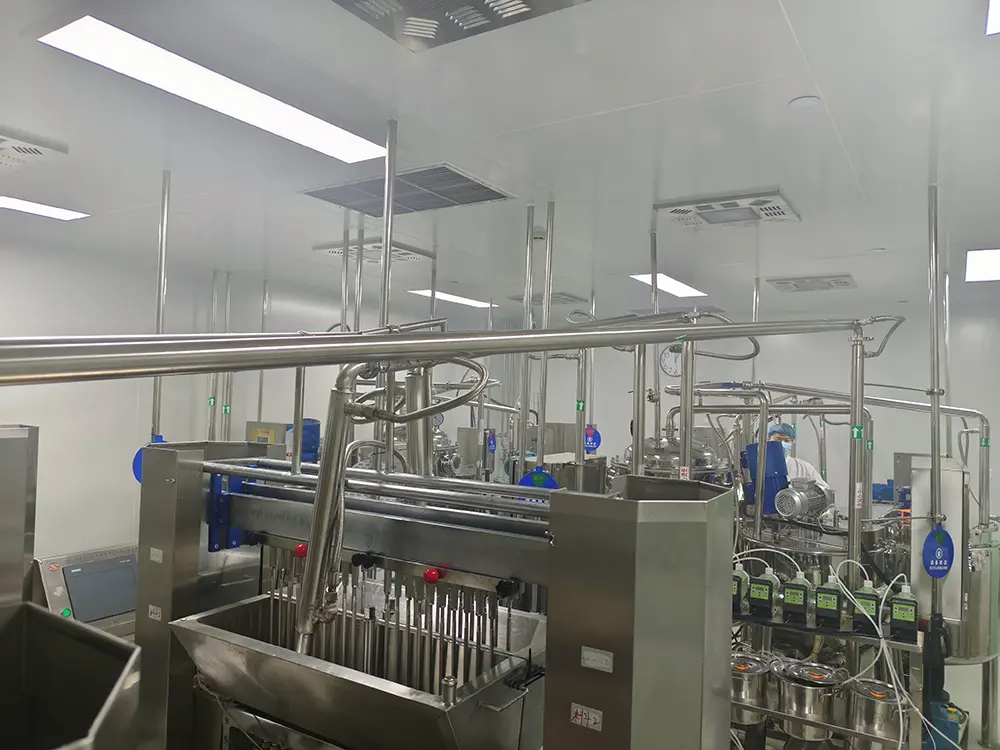
Scalability is not just about buying more starch molds. It is about the ability to maintain an unbroken temperature chain and a sterile environment as throughput multiplies. A gummy factory designed for growth will feature modular cleanrooms, automated CIP (Clean-in-Place) systems for its cookers, and sophisticated air handling units that maintain positive pressure. For a brand, the transition from a pilot-scale order of 5,000 units to a full production run of 100,000 units must be seamless, with no deviation in product color, texture, or potency uniformity.
B2B Strategic Decision Framework: Building a Gummy Production Partnership
Choosing a contract manufacturing organization is a long-term strategic alliance, not a simple transactional purchase. The facility you select becomes an extension of your brand’s integrity. The following decision matrix highlights what enterprise buyers should prioritize when they intend to make gummies through an outsourced partner.
The Certification Audit and Regulatory Alignment
For a brand to export into global markets, the manufacturing facility must carry certifications that transcend national borders. Ask for a full review of ISO 22000, BRCGS, or FSSC 22000 certificates. These signal that the gummy factory operates a mature food safety management system. If your brand targets pharmacy channels in France, a PJPH compliance statement becomes a market access requirement. If your focus is the Middle East, HALAL certification must cover not only the gelatin but also the cleaning chemicals used in the production line. A deficiency in any single certification can block an entire container shipment at customs.
The Pitfalls of a Commoditized Supply Chain
The most common barrier to a successful gummy launch is the mismatch between marketing promises and operational reality. A brand might design a label claiming 5000 mcg of biotin per gummy, but without a strong manufacturing partner that understands nutrient degradation kinetics, that promise may fall short by month twelve. Another hidden pitfall lies in the flavor system; poor flavor masking will generate repeat-purchase-killing returns. The true value in a professional partner is their ability to be a guardian of your product’s lifecycle, not just a toll manufacturer. When you think of private label gummies, look for a partner that offers end-to-end concept-to-consumer integration, covering R&D chemistry, flavor blending, packaging engineering, and global logistics support.
Conclusion
Venturing into gummy manufacturing is an exercise in precision that lies at the crossroads of food science and nutritional pharmacology. Success depends on selecting the correct gelling chemistry, validating stability through rigorous accelerated testing, and aligning with a manufacturing partner whose global certifications open doors, rather than creating barriers. By mastering the technical parameters of water activity and deposition accuracy, and by viewing the production facility as a quality guardian rather than a commodity supplier, a brand can build a durable, differentiated product that maintains trust from the first dose to the last.
Frequently Asked Questions
What is the best base ingredient to make gummies for a vegan product?
Pectin is the industry-standard choice for vegan gummies. It provides a clean label, fruit-derived texture and, when used in an amidated form, creates a short, brittle bite similar to traditional gelatin without using animal derivatives.
How long does it take to develop a custom gummy formula from scratch?
A full custom development cycle, including reverse engineering of actives, flavor masking, and pilot lab batches, typically ranges from 8 to 16 weeks. This timeline extends if the formula requires accelerated stability trials to validate a 24-month shelf life.
What is the most common quality failure in commercial gummy production?
The most prevalent failures are water activity excursions and vitamin degradation. If gummies are not dried to a safe aw threshold, they will ferment or mold on retail shelves. Similarly, without precise overages, heat-sensitive vitamins like B12 and D3 will drop below label claim within months.
Can a brand use a single gummy factory for both USDA Organic and standard gummies?
Yes, but only if the factory has a strictly segregated organic production line and holds a valid NOP (National Organic Program) certificate. The facility must follow an approved organic handling plan that prevents commingling and contamination from prohibited substances.
What does the term “private label gummies” actually cover in terms of customization?
Private label gummies span a spectrum from a stock formula with simple label design to a semi-customized shape, flavor, and active blend. Full private label programs should offer flexibility in gummy base selection, active ingredient dosing, and the application of your proprietary branding and trade dress.
Which certifications are mandatory for a gummy factory to export globally?
Core certifications include GMP, HACCP, and ISO 22000 or FSSC 22000. For the US market, FDA registration is a baseline. For the EU, compliance with EFSA regulations and often BRCGS is expected. Market-specific mandates like HALAL, KOSHER, or India’s FSSAI are equally critical for customs clearance.
Company Profile
Shenzhen Gothink Biology Technology Co., Ltd. is a global leading nutrition supplement supplier and dietary supplement manufacturer specializing in OEM, ODM, CMO, and CDMO services for health and wellness brands worldwide. With extensive industry expertise and international certifications including ISO9001, ISO22000, HACCP, FDA, HALAL, GMP, KOSHER, BRC, FSSC 22000, PJPH, and Vegan, we deliver high‑quality custom formulation, contract manufacturing, and wholesale solutions for B2B clients across global markets.
For more information, please visit our official website: https://gothinkbio.com/ or contact our expert team.