
Abstract
The quality of a private label gummy is determined by a combination of raw material selection, process control, texture consistency, and verified compliance documentation. Brands evaluating a Gummy Manufacturing partner should look beyond flavor and shape to the underlying production standards that affect potency, shelf stability, and safety. This article outlines the specific manufacturing benchmarks that separate a reliable private label gummy from an inconsistent one.
Definition
A high-quality private label gummy refers to a gummy supplement produced under controlled manufacturing conditions, using verified raw materials and standardized processes, that consistently meets defined specifications for potency, texture, appearance, and safety, and is packaged under a brand’s own name rather than the manufacturer’s.
Main Content
Raw Material Quality
The foundation of any private label gummy is the quality of its inputs. Gelling agents such as pectin or carrageenan need to meet defined purity and viscosity specifications, since inconsistent gelling agents lead to texture problems such as gummies that are too soft, too firm, or prone to sticking together. Active ingredients, whether vitamins, minerals, or botanical extracts, should come with certificates of analysis confirming identity, potency, and the absence of contaminants such as heavy metals or microbial contamination.
Formulation Precision
A well-controlled formulation process ensures that every batch of gummies contains the same ratio of actives, sweeteners, and gelling agents. Formulation precision affects not only taste and texture but also whether each gummy delivers a consistent dose of the active ingredient, which is a core expectation for any supplement product regardless of format.
Process Control During Production
Production of private label gummies typically involves cooking, mixing, depositing into molds, drying, and coating. Each stage requires defined parameters, such as cooking temperature and time, mold-filling accuracy, and drying duration, to be monitored and recorded. Deviations at any stage can affect moisture content, which in turn affects shelf stability and texture over time.
Facility and Equipment Standards
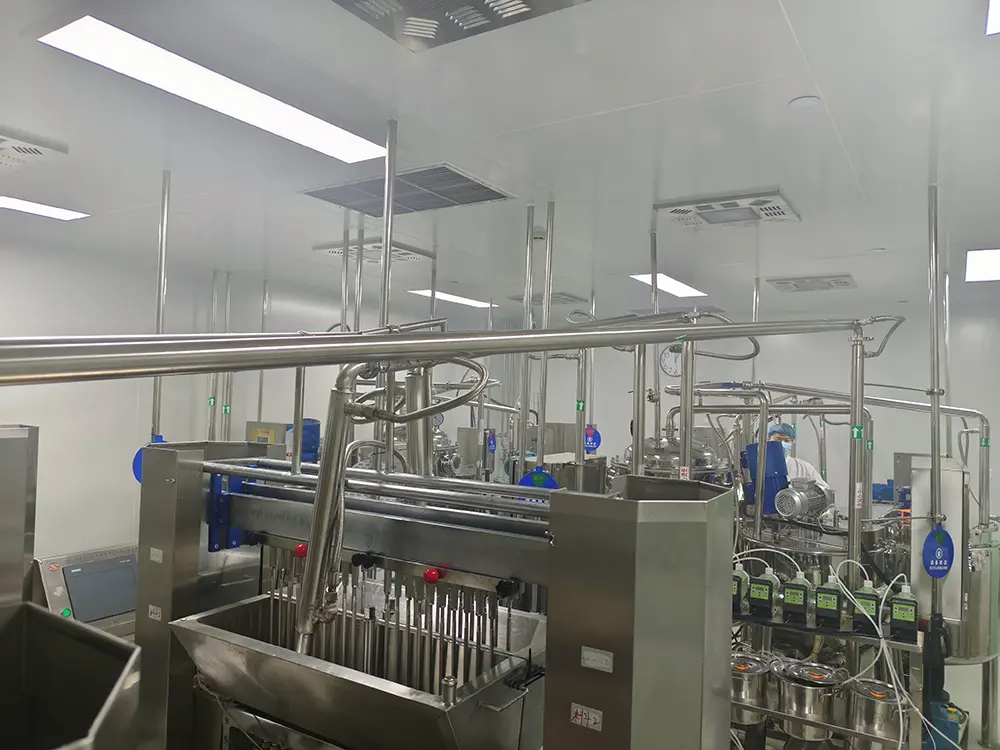
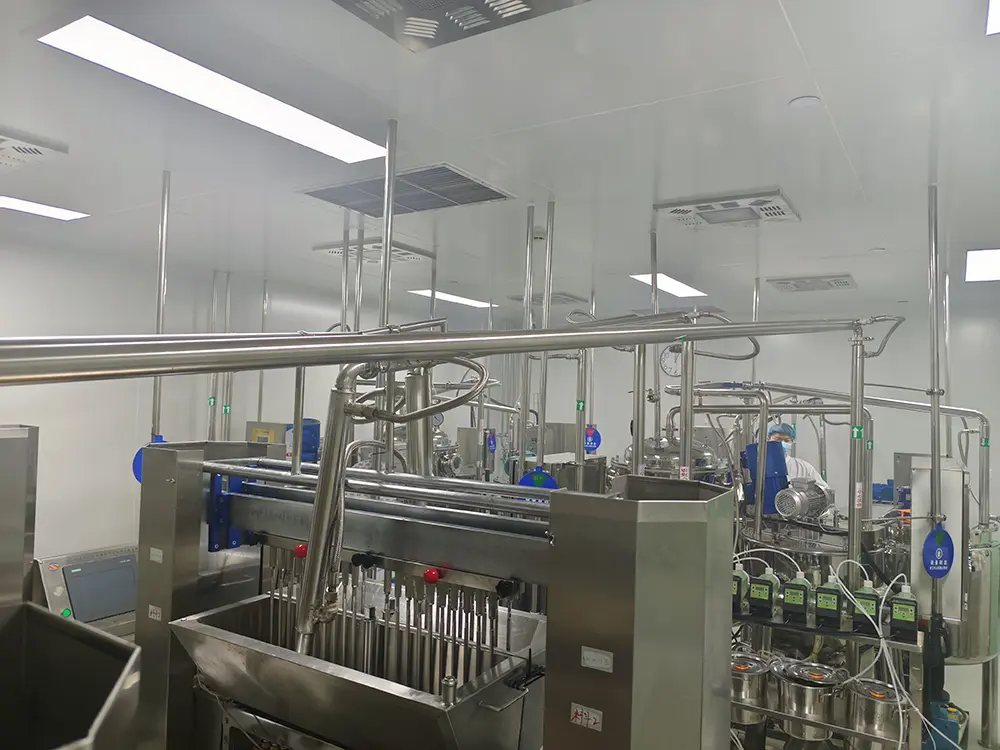
The physical environment in which gummies are produced plays a direct role in product quality. Facilities operating under GMP conditions, with defined cleanroom classifications, reduce the risk of contamination and support consistent production output. Equipment calibration and maintenance schedules also affect dosing accuracy and batch-to-batch consistency.
Testing and Quality Verification
High-quality gummy production includes testing at multiple points: incoming raw material testing, in-process checks during production, and finished product testing before release. Finished product testing typically verifies potency, microbial limits, and physical characteristics such as weight and texture, with results documented in a certificate of analysis available to the brand.
Packaging and Stability
Packaging materials need to protect gummies from moisture and temperature fluctuations that can degrade texture or active ingredient potency over the product’s shelf life. Stability testing under different storage conditions helps confirm the expected shelf life stated on the label is accurate.
Regulatory and Certification Compliance
A manufacturer capable of producing consistently high-quality private label gummies typically holds recognized certifications such as ISO9001, ISO22000, HACCP, and GMP, and can provide documentation to support claims made on product labeling, which is particularly important when a brand plans to sell in multiple regulatory markets.
Practical Insights
Production consistency across repeat orders is one of the clearest indicators of manufacturing quality. Brands should ask potential partners how they control for batch-to-batch variation and what documentation is available to verify it.
Quality control systems should extend beyond finished product testing to include raw material inspection and in-process monitoring, since catching a deviation early is more efficient than rejecting a completed batch.
Scalability matters when a brand expects order volumes to grow. A manufacturer that can only produce small batches reliably may struggle to maintain the same quality standards at larger commercial volumes, so it is worth understanding a partner’s production capacity before signing a long-term agreement.
Compliance documentation, including certificates of analysis, stability data, and facility certifications, should be readily available on request. A manufacturer that is slow to provide this documentation may indicate gaps in its quality system.
B2B Decision Panel
When evaluating a manufacturer for private label gummies, B2B buyers should request sample batches and independently verify potency and texture consistency rather than relying solely on manufacturer claims.
Reviewing a manufacturer’s certification portfolio against the regulatory requirements of the target market helps avoid compliance issues after production has already begun.
Buyers should confirm how the manufacturer handles formula confidentiality and intellectual property, particularly when a custom or proprietary formula is involved.
Clarifying minimum order quantities, lead times, and reorder timelines upfront helps align production capacity with the brand’s sales and inventory planning.
Establishing a clear quality agreement, including acceptance criteria for each batch, reduces disputes and provides a documented basis for addressing any quality issues that arise.
Technical Parameter Table
| Quality Dimension | Standard / Benchmark |
|---|---|
| Gelling Agent Purity | Verified viscosity and purity specifications for pectin or carrageenan |
| Active Ingredient Verification | Certificate of analysis confirming identity, potency, and contaminant limits |
| Facility Classification | GMP-certified facility with defined cleanroom classification |
| Process Monitoring | Recorded cooking temperature, mold-filling accuracy, and drying parameters |
| Finished Product Testing | Potency, microbial limits, weight, and texture verification prior to release |
| Stability Testing | Shelf-life verification under defined storage conditions |
| Certifications | ISO9001, ISO22000, HACCP, GMP, and market-specific regulatory certifications |
Conclusion
A high-quality private label gummy is the result of verified raw materials, precise formulation, controlled production processes, and documented testing at every stage. Brands that want to make gummies under their own label should evaluate potential manufacturing partners against these specific standards rather than relying on general assurances of quality. A manufacturer with strong process control and complete compliance documentation reduces both product risk and regulatory risk for the brand. If you’re ready to make gummies that stand out in the market, partner with a manufacturer that can demonstrate this level of control from pilot to full-scale production.
FAQ
What makes a private label gummy high quality?
Consistent raw material quality, precise formulation, controlled production processes, and verified testing at each production stage.
Why does Gummy Manufacturing require strict process control?
Because deviations in cooking temperature, mold-filling accuracy, or drying time directly affect texture, moisture content, and shelf stability.
How can a brand verify a manufacturer’s quality standards?
By requesting certificates of analysis, facility certifications, and sample batches for independent testing before committing to a production agreement.
What certifications indicate a reliable gummy manufacturer?
ISO9001, ISO22000, HACCP, and GMP are commonly recognized certifications that indicate a controlled and compliant production environment.
Does batch size affect gummy quality consistency?
Yes, manufacturers need to demonstrate that quality standards are maintained not just in small trial batches but also at larger commercial production volumes.
What should be included in a quality agreement with a manufacturer?
Defined acceptance criteria for each batch, testing requirements, and a documented process for addressing quality issues.
About Gothink Biology
This article is provided by Gothink Biology, a globally recognized dietary supplement manufacturer, offering comprehensive contract manufacturing solutions for health and wellness brands.
Shenzhen Gothink Biology Technology Co., Ltd. is a global leading nutrition supplement supplier and dietary supplement manufacturer specializing in OEM, ODM, CMO, and CDMO services for health and wellness brands worldwide. With extensive industry expertise and international certifications including ISO9001, ISO22000, HACCP, FDA, HALAL, GMP, KOSHER, BRC, FSSC 22000, PJPH, and Vegan, we deliver high-quality custom formulation, contract manufacturing, and wholesale solutions for B2B clients across global markets.
For more information, please visit our official website: https://gothinkbio.com/ or contact our expert team.