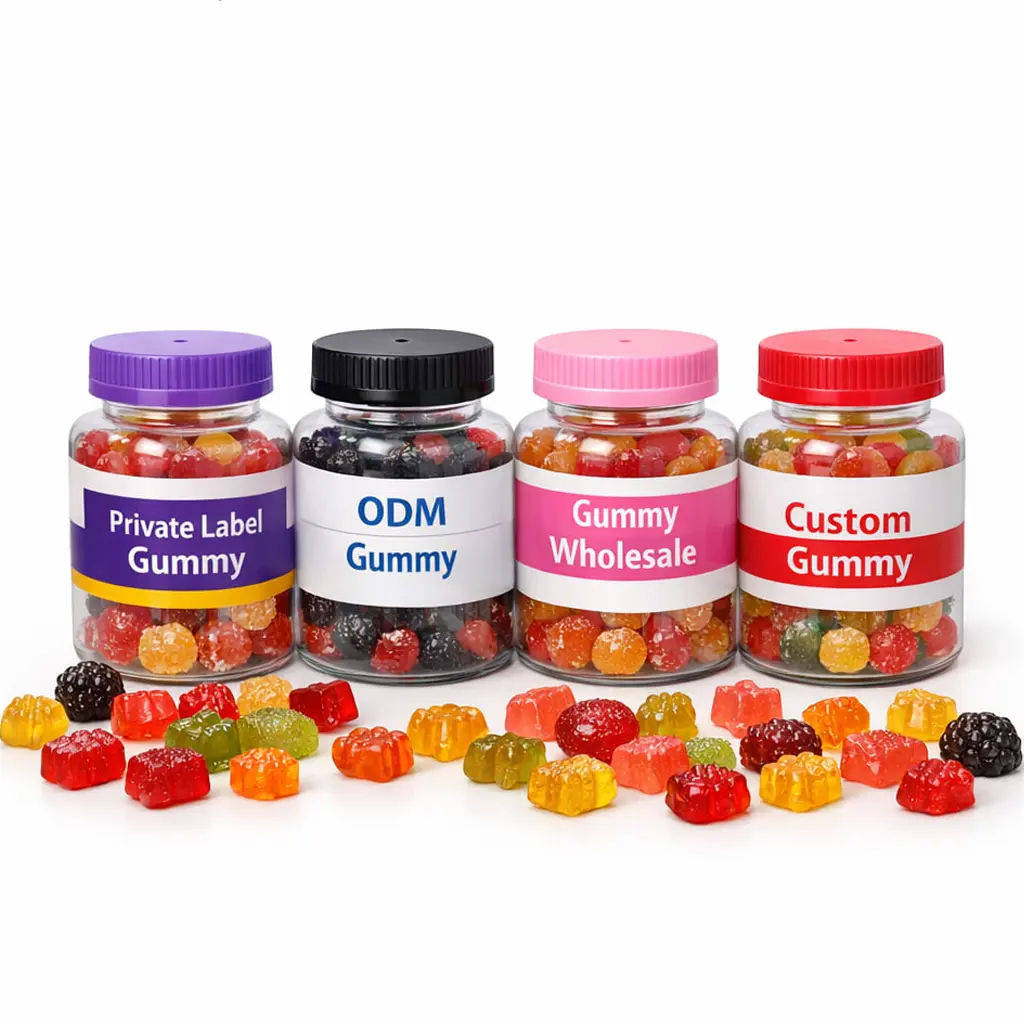

Summary: Selecting the right manufacturing partner is the single most critical decision a gummy supplement brand will make. This article explains the gummy production process, outlines what to look for in a qualified manufacturer, and provides a structured framework for B2B buyers to evaluate factories based on quality, scalability, compliance, and customization capabilities.
What Is a Gummy Factory?
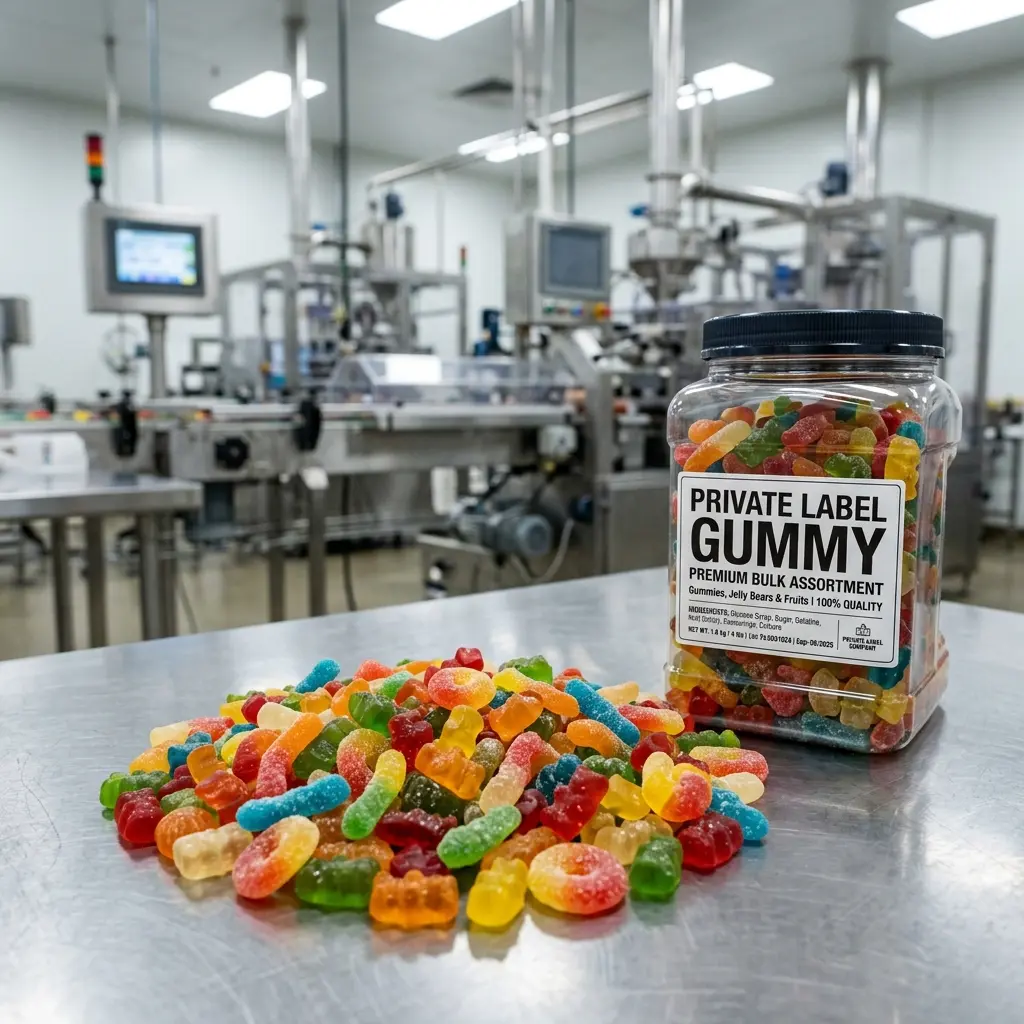
Why Choosing the Right Gummy Factory Can Make or Break Your Brand refers to the strategic reality that a brand’s market success depends heavily on the competence, reliability, and compliance posture of its contract manufacturing partner. A gummy factory is a specialized production facility equipped to formulate, cook, mold, dry, coat, and package gummy-based dietary supplements at scale. Unlike general food processors, a purpose-built gummy production line must control variables such as gelatin or pectin concentration, temperature curves, starch mold precision, and moisture content within tight tolerances to ensure consistent texture, dosing accuracy, and shelf stability.
How Gummies Are Made: A Step-by-Step Overview
Understanding the production process is essential for any brand evaluating a potential partner. The workflow to make gummy products involves several precisely controlled stages:
1. Formulation and Preparation: Raw ingredients—including gelling agents (gelatin, pectin, or carrageenan), sweeteners, active compounds (vitamins, minerals, botanical extracts), colors, and flavors—are weighed and prepared according to a verified recipe. The choice of gelling agent directly affects texture, dietary compatibility (e.g., vegan vs. non-vegan), and release characteristics.
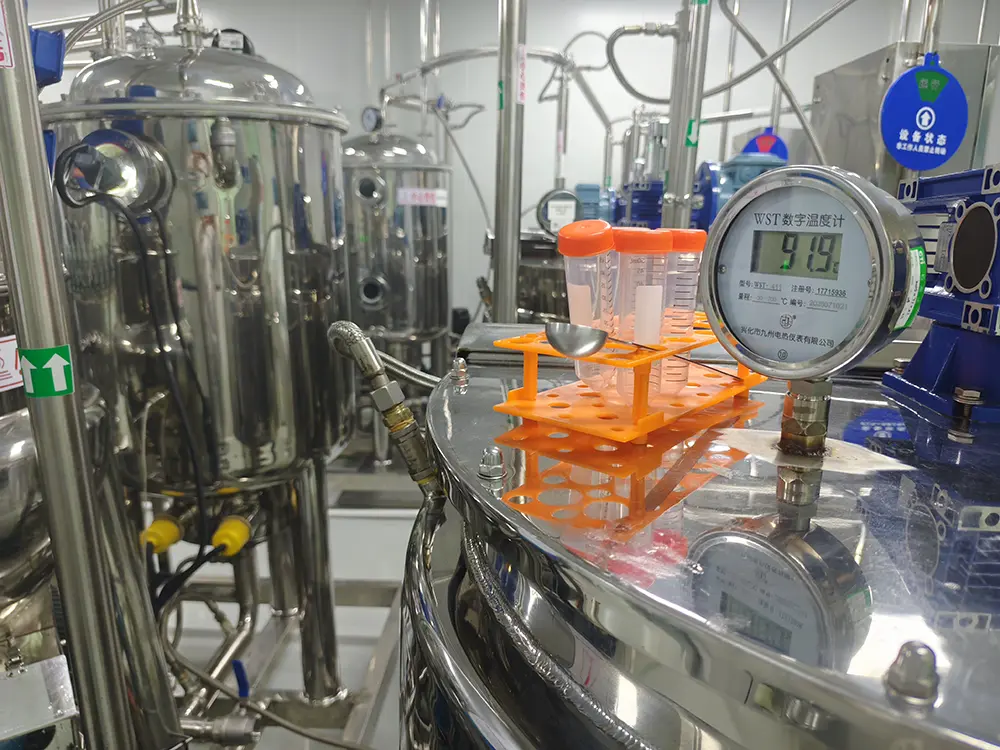
2. Cooking and Mixing: Ingredients are combined in temperature-controlled mixing tanks. The slurry is heated to dissolve gelling agents and achieve homogeneity. Precise temperature management is critical—overheating degrades heat-sensitive actives like vitamin C or probiotics.
3. Depositing and Molding: The liquid mass is pumped into starch molds or silicone molds via a depositing machine. Modern depositor systems can achieve dosing accuracy within ±2%, which is essential for products with narrow therapeutic windows.
4. Drying and Curing: Molded gummies enter controlled drying rooms or tunnels where temperature and humidity are regulated over 24–72 hours. This step removes excess moisture to reach the target water activity level (typically below 0.65 Aw), preventing microbial growth and extending shelf life.
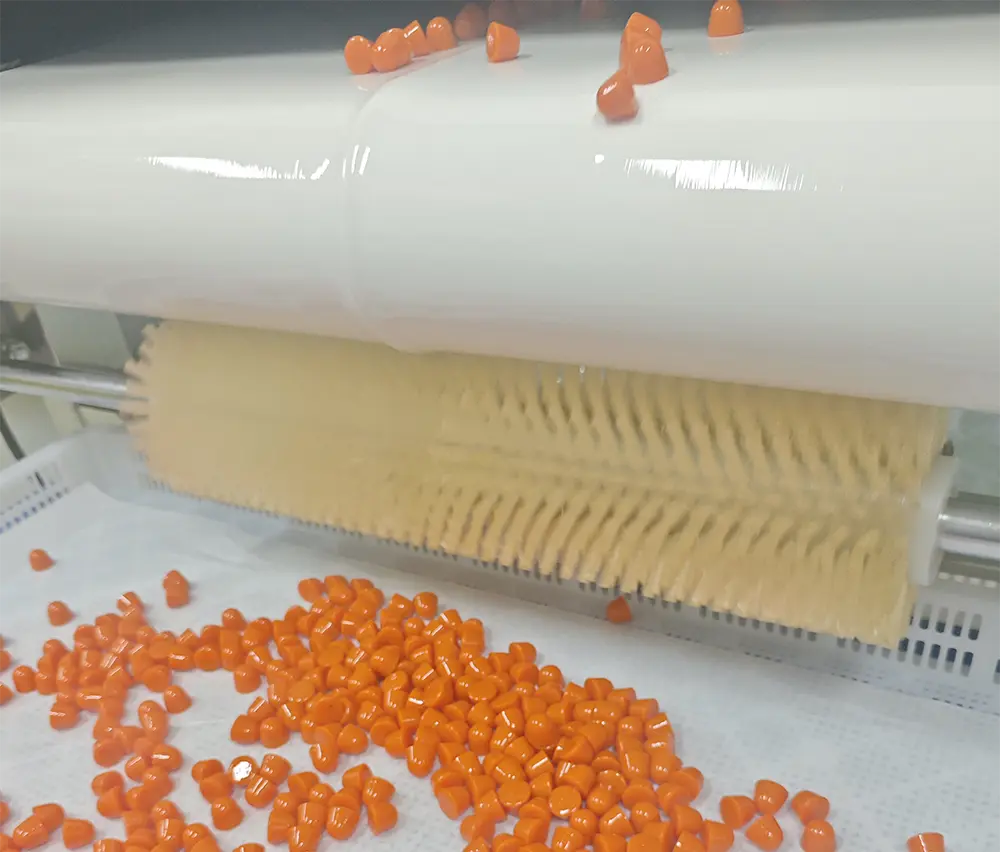
5. Demolding and Definning: Gummies are removed from molds, and excess starch or residue is cleaned off using automated brushing or oil-spray systems.
6. Coating (Optional): Products may receive an oil or sugar coating to reduce sticking, improve appearance, or add functional ingredients.
7. Packaging: Finished gummies are counted, weighed, and sealed in pouches, bottles, or blister packs with desiccants as needed.
Functional Categories and Shape Options
A capable Gummy Factory should offer broad formulation and mold capabilities. Common functional categories include:
- Vitamin and Mineral Gummies: Multivitamins, vitamin D3, vitamin C, zinc, iron, and calcium formulations.
- Herbal and Botanical Gummies: Extracts such as ashwagandha, elderberry, turmeric, and green tea.
- Specialty and Targeted Gummies: Sleep support (melatonin), joint health (collagen, glucosamine), immune support, beauty (biotin, hyaluronic acid), and weight management.
- Vegan and Clean-Label Gummies: Pectin-based or carrageenan-based formulations free from gelatin, artificial colors, and synthetic flavors.
- Low-Sugar and Sugar-Free Gummies: Formulations using erythritol, allulose, monk fruit, or stevia as替代 sweeteners.
Regarding shapes, production lines typically support bears, worms, rings, fruits, stars, cubes, and fully custom molds. Custom mold tooling usually requires a one-time engineering fee and a lead time of 15–30 days.
Practical Insights: What Separates a Reliable Factory from a Risky One
Production Capability
Production capacity determines whether a factory can support your brand through growth phases. Key metrics include daily throughput, number of production lines, and batch size flexibility. A facility producing 16 tons per day with an annual capacity of 5,000 tons can serve both emerging brands and large-scale distributors without bottlenecking during peak seasons.
Quality Control and Assurance
Quality control in gummy manufacturing spans incoming material testing, in-process checks, and finished product release testing. A qualified facility should test for heavy metals, microbial limits (total plate count, E. coli, Salmonella, yeast, mold), active ingredient potency via HPLC or UV-Vis, and physical parameters (weight, texture, color). Holding multiple certifications—ISO 9001, ISO 22000, HACCP, GMP, FDA registration, HALAL, KOSHER, BRC, and FSSC 22000—provides objective evidence of a systematic quality framework.
Scalability
Scalability means the factory can adjust output without compromising quality or lead times. This requires sufficient equipment redundancy, workforce flexibility, and supply chain depth in raw material sourcing. Brands should confirm whether the factory can scale from a 5,000-unit trial order to a 500,000-unit production run on the same line with consistent results.
Regulatory Compliance
Compliance requirements vary by destination market. The U.S. market requires adherence to FDA 21 CFR Part 111 (cGMP for dietary supplements). The EU market requires compliance with EU Food Supplements Directive 2002/46/EC. Markets in Southeast Asia, the Middle East, and Latin America each carry specific registration and labeling requirements. A competent manufacturer should have documented experience navigating these regulatory landscapes and provide full traceability documentation from raw material to finished product.
Technical Parameter Reference
The following table summarizes key technical parameters that B2B buyers should use as a baseline when evaluating gummy manufacturing capabilities:
| Parameter | Standard Range | Significance |
|---|---|---|
| Dosing Accuracy | ±2% per piece | Ensures consistent active ingredient delivery per serving |
| Water Activity (Aw) | ≤ 0.65 | Prevents microbial growth and extends shelf life |
| Moisture Content | 12%–18% | Affects texture, chewiness, and stability |
| Drying Time | 24–72 hours | Varies by gelling agent, size, and target moisture |
| Piece Weight Range | 2g–8g | Determines serving size flexibility and mold compatibility |
| Shelf Life | 12–24 months | Depends on formulation, packaging, and storage conditions |
| Cleanroom Standard | 100,000-class (ISO 8) | Controls particulate and microbial contamination |
| Gelling Agent Options | Gelatin, Pectin, Carrageenan | Determines dietary compatibility (vegan, halal, kosher) |
B2B Decision Framework: How to Evaluate a Gummy Manufacturing Partner
Selecting a manufacturing partner is a multi-dimensional decision. The following framework is designed for procurement managers, brand founders, and product development teams:
Criterion 1: Certification Portfolio
Request copies of current certificates and verify issuing bodies. Prioritize factories holding GMP, ISO 22000, HACCP, and BRC certifications at minimum. Additional certifications such as HALAL, KOSHER, and Vegan expand your addressable market. FDA registration is essential for U.S.-bound products.
Criterion 2: R&D Capability
A factory with an in-house R&D team and pharmaceutical-grade laboratory (e.g., 10,000-class) can develop custom formulations, optimize bioavailability, and troubleshoot production issues faster. Ask about the team’s credentials—postdoctoral-level scientists in biochemistry or plant extraction indicate advanced formulation competence. Annually researching 2,000+ new product formulations suggests sustained R&D investment.
Criterion 3: Minimum Order Quantity (MOQ) Flexibility
MOQ structures should accommodate different business stages. Startups and DTC brands may need low-MOQ trial runs (10,000–30,000 units), while established brands require high-volume production (500,000+ units). A factory that offers tiered MOQ structures demonstrates operational flexibility and client-centric thinking.
Criterion 4: One-Stop Service Scope
Evaluate whether the factory provides end-to-end support: formulation development, raw material procurement, production, quality testing, packaging design, regulatory documentation, and export logistics. Reducing the number of vendors in your supply chain lowers coordination costs, lead times, and quality variance risk.
Criterion 5: Track Record and References
Request case studies or client references in your target market. A factory with experience serving brands in North America, Europe, and Southeast Asia is more likely to understand region-specific compliance and consumer preference requirements.
Criterion 6: Facility Tour and Audit Readiness
A reputable manufacturer should welcome on-site audits or provide virtual facility tours. Key areas to inspect include the cleanroom, drying tunnels, laboratory equipment, raw material storage, and finished goods warehouse.
Private Label vs. Custom Formulation: A Strategic Choice
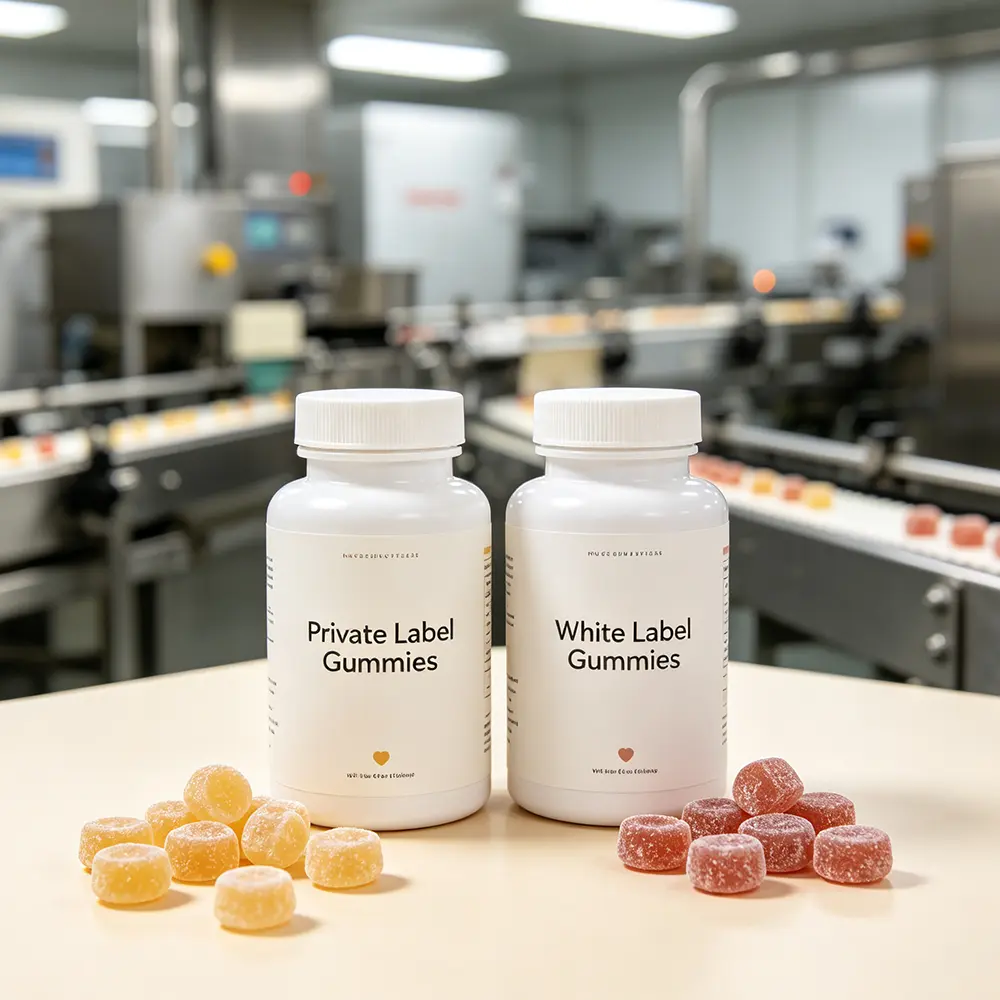
When launching a private label gummy line, brands typically choose between two paths: selecting from the factory’s existing proven formulations (faster time-to-market, lower development cost) or developing a fully custom formula (differentiation, IP ownership). Many brands start with private label to test market fit, then transition to custom formulations as they scale. A strong manufacturing partner should support both models without pressure to commit exclusively to either.
Conclusion
The choice of gummy manufacturing partner directly influences product quality, regulatory risk, production reliability, and ultimately, brand reputation. A factory’s certifications, R&D depth, production capacity, MOQ flexibility, and service scope are not optional considerations—they are determining factors in whether your brand succeeds or faces costly recalls, delays, and consumer distrust. Evaluate potential partners using structured criteria, verify claims through audits and documentation, and prioritize long-term manufacturing partnerships over short-term cost savings.
Frequently Asked Questions
Q: What is the typical lead time for a gummy production order?
A: From formula confirmation to finished goods delivery, lead times typically range from 25 to 45 days, depending on order volume, customization complexity, and current production scheduling.
Q: Can a gummy factory produce both gelatin-based and pectin-based gummies on the same line?
A: Most specialized facilities maintain separate lines or conduct thorough changeover protocols to prevent cross-contamination between gelatin and vegan (pectin/carrageenan) formulations. This is essential for maintaining HALAL, KOSHER, and Vegan certifications.
Q: What certifications should a gummy manufacturer have for the U.S. market?
A: At minimum, FDA registration and cGMP (21 CFR Part 111) compliance. Additional certifications such as ISO 22000, HACCP, and GMP demonstrate systematic quality management. Third-party certifications like BRC and FSSC 22000 provide further assurance.
Q: How do I protect my custom gummy formula when working with a contract manufacturer?
A: Execute a Non-Disclosure Agreement (NDA) before sharing any proprietary information. For custom formulations, negotiate IP ownership clauses in the manufacturing agreement specifying that the brand retains full rights to the formula.
Q: What is the minimum order quantity for custom gummy production?
A: MOQs vary by factory. Facilities with flexible production models may accept orders as low as 10,000–30,000 units for trial runs, while standard production MOQs typically range from 50,000 to 100,000 units depending on product complexity and packaging format.
About Shenzhen Gothink Biotech Co., Ltd.
Shenzhen Gothink Biotech Co., Ltd. is a China-based dietary supplement manufacturer and nutrition supplement supplier providing comprehensive OEM, ODM, CMO, and CDMO services. The company delivers end-to-end turnkey solutions spanning product consultation, formulation development, custom design, manufacturing, packaging, and marketing support for global health brands.
The company’s R&D team is led by a co-founder and chief scientific advisor with postdoctoral research experience at the California Institute of Technology, Emory University, and Ohio State University. A 10,000-class pharmaceutical-grade laboratory supports the development of approximately 2,000 new product formulations annually. The chief scientist, a professor and doctoral advisor at the University of Science and Technology of China, has published over 30 research articles in journals including Science and PNAS, with more than 250 international citations.
The manufacturing facility features a 100,000-class cleanroom with a daily output of 16 tons and an annual production capacity of 5,000 tons. The company holds certifications including ISO 9001, ISO 22000, HACCP, FDA, HALAL, GMP, KOSHER, BRC, FSSC 22000, PJPH, and Vegan.
As an experienced gummy manufacturer, Gothink Biotech specializes in custom gummy contract manufacturing using natural gelling agents such as pectin and carrageenan. Services cover the full production chain from formula development and flavor design to molding and packaging. Product categories include vitamin gummies, herbal-infused gummies, vegan gummies, and low-sugar options. The company also manufactures capsules, tablets, powders, and liquid drops.
Core capabilities include flexible MOQ structures accommodating trial runs through full-scale bulk production, one-stop OEM/ODM service from formulation to export compliance, and customized solutions for online sellers, retailers, established brands, and startups. The company supports wholesale business with scalable production capacity and serves clients across North America, Europe, Southeast Asia, and other international markets.