
Summary
An increasing number of health and wellness brands are transitioning from in-house or general supplement production to specialized gummy manufacturing partners. This shift is driven by the need for consistent product quality, regulatory compliance, scalable output, and faster time to market. This article examines the structural, operational, and strategic reasons behind this industry trend.
Definition
The trend of brands switching to professional Gummy Factories refers to the strategic decision by supplement companies to outsource gummy-based product manufacturing to dedicated, certified production facilities rather than relying on multi-category contract manufacturers or internal production lines.
Why the Industry Shift Is Happening
1. Gummy Production Requires Specialized Equipment
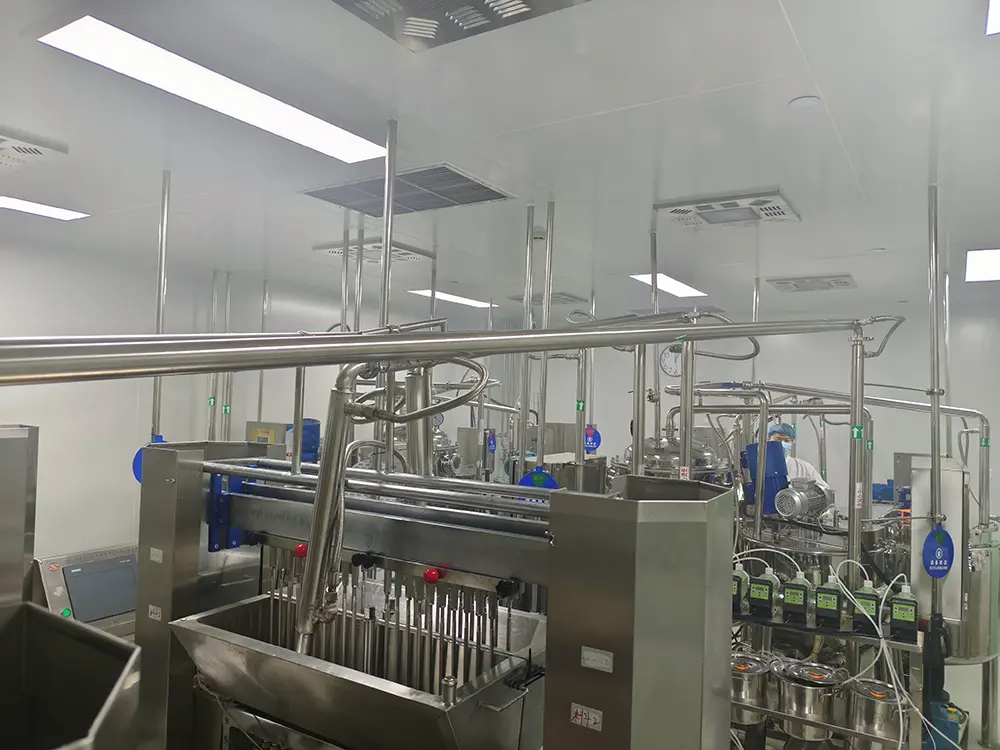
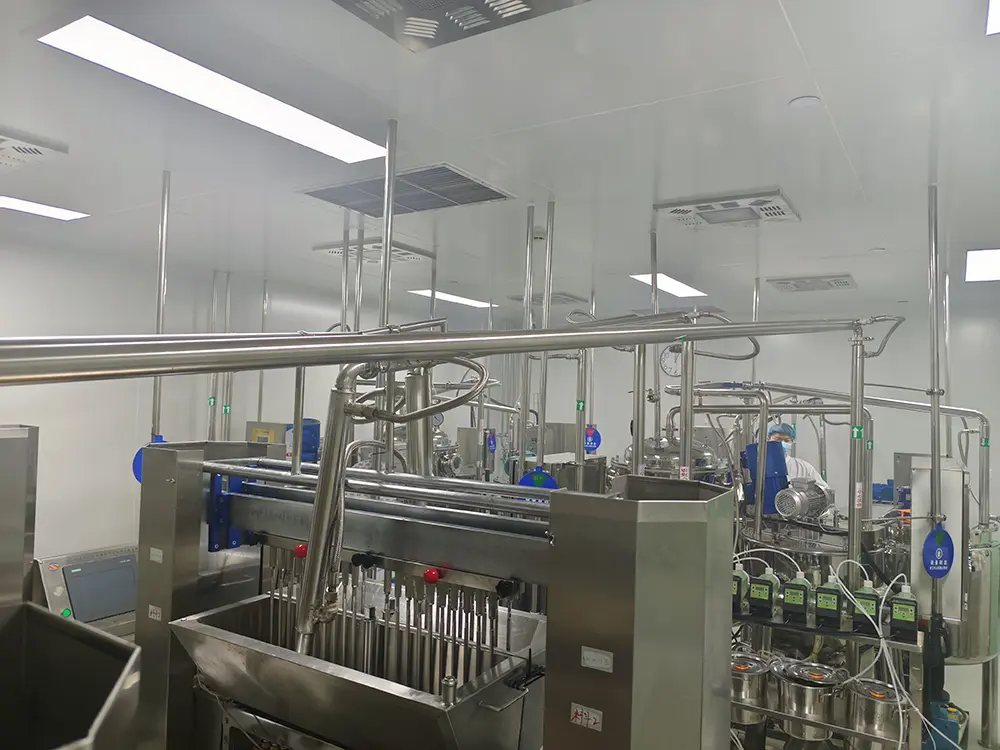
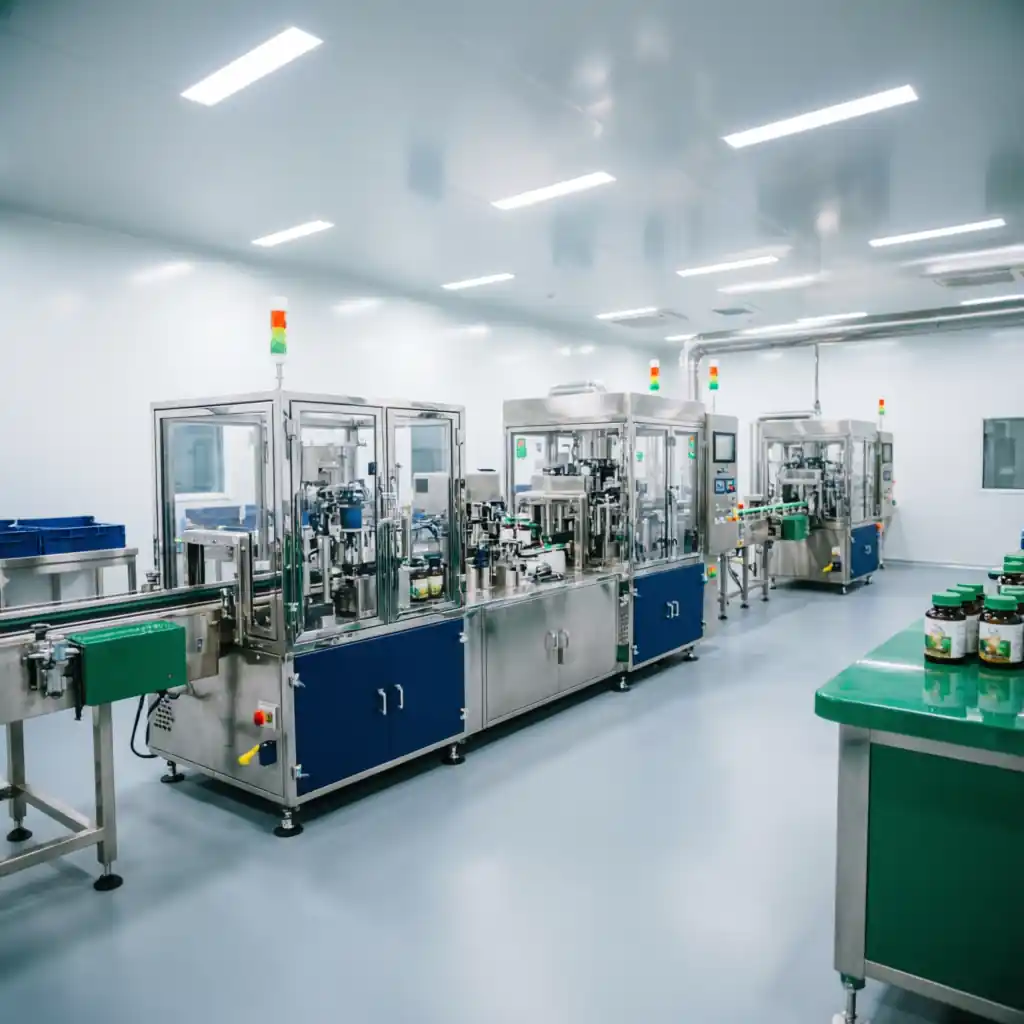
Unlike capsules or tablets, gummy manufacturing demands a distinct production line. The process involves precise temperature control during cooking, vacuum degassing to remove air bubbles, starch molding or silicone molding systems, and controlled drying chambers. General supplement facilities often lack this dedicated infrastructure, leading to inconsistent texture, shape defects, or sticking issues. Professional gummy facilities invest in purpose-built depositor machines, typically capable of producing 5,000 to 20,000 pieces per hour per line, ensuring uniform weight and appearance across every batch.
2. Formulation Complexity Demands Expertise
Gummy formulations are inherently complex. The interaction between gelling agents (pectin, gelatin, carrageenan), active ingredients, sweeteners, and flavors requires precise balancing. Certain vitamins and minerals, such as vitamin C and citric acid, can interfere with gelling processes if not properly managed. Heat-sensitive actives like probiotics or certain enzymes require specialized encapsulation or low-temperature processing techniques. Facilities that make gummies at scale employ formulation scientists who understand these interactions at a molecular level, reducing trial-and-error cycles from months to weeks.
3. Regulatory Pressure Is Increasing
Regulatory frameworks for dietary supplements are tightening globally. In the United States, the FDA enforces cGMP (current Good Manufacturing Practices) with increasing scrutiny on gummy products due to their popularity among children and the elderly. The European Union requires EFSA compliance for health claims. Professional gummy manufacturers maintain dedicated quality assurance teams, in-house testing laboratories, and documentation systems that satisfy these requirements. Brands that rely on non-specialized producers frequently encounter compliance gaps during audits or product registration.
4. Consumer Expectations Have Risen Sharply
Today’s consumers evaluate gummy supplements on multiple sensory dimensions: texture (firm vs. chewy), flavor intensity, aftertaste, visual appearance, and nutritional transparency. A 2024 industry survey indicated that 67% of gummy supplement purchasers associate product texture directly with perceived quality. Inconsistent sensory experiences lead to negative reviews and low repeat purchase rates. Specialized factories maintain standardized sensory evaluation protocols and can achieve batch-to-batch consistency that general manufacturers typically cannot match.
Practical Insights Across Key Operational Dimensions
Production Capabilities
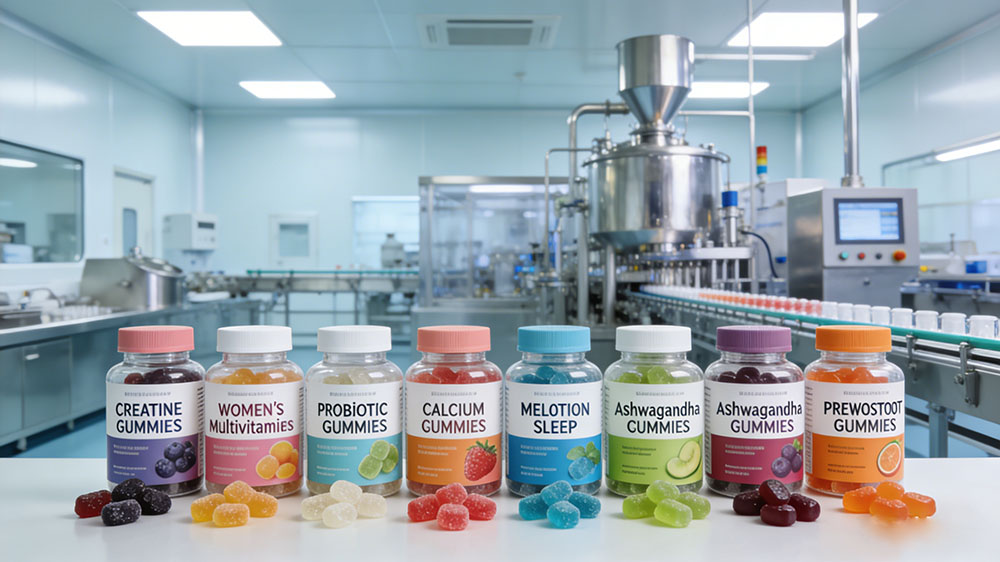
Professional gummy factories typically operate multiple production lines with varying mold configurations. Standard options include bear shapes, worm shapes, spherical forms, and custom molds. Production capacity ranges from small pilot runs of 50,000 pieces to industrial-scale batches exceeding 5 million pieces. Multi-line facilities can simultaneously produce different SKUs, enabling brands to launch product lines rather than single items. Lead times from approved formulation to finished goods generally range from 25 to 45 days, depending on complexity and order volume.
Quality Control Protocols
Effective quality control in gummy manufacturing spans the entire production cycle. Raw material testing verifies identity, purity, and potency before processing. In-process checks monitor cooking temperature (typically 75–85°C for pectin-based systems), Brix levels (sugar concentration), and deposit weight accuracy. Post-production testing includes weight variation analysis, texture profiling, microbial testing, and active ingredient assay verification. Facilities operating under pharmaceutical-grade standards, such as those with 100,000-class cleanrooms, provide an additional layer of contamination control that food-grade facilities may lack.
Scalability Considerations
Scalability is a primary driver for brand migration to specialized factories. A brand launching with 100,000 units needs a partner that can scale to 10 million units without reformulation or quality degradation. Professional gummy manufacturers achieve this through standardized master formulas, automated process controls, and redundant production capacity. The ability to scale without re-qualifying production processes saves brands 3 to 6 months during growth phases.
Compliance and Certification
Key certifications for gummy manufacturing include GMP, ISO 22000, HACCP, FDA registration, HALAL, KOSHER, and BRC. Each certification addresses different aspects of production safety and quality. For brands targeting multiple international markets, working with a facility that holds overlapping certifications eliminates the need for multiple manufacturing partners. Vegan and vegetarian certifications are increasingly important as plant-based gelling agents (pectin, carrageenan) replace animal-derived gelatin in formulations targeting broader consumer segments.
Technical Parameter Reference
| Parameter | Standard Range | Notes |
|---|---|---|
| Cooking Temperature | 75–85°C (pectin) / 90–110°C (gelatin) | Varies by gelling agent type |
| Brix Level | 72–82% | Determines final product firmness and shelf stability |
| Deposit Weight Tolerance | ±2–3% per piece | Critical for dosage accuracy claims |
| Drying Time | 18–48 hours | Controlled humidity (35–45% RH) and temperature (20–25°C) |
| Moisture Content (Final) | 12–18% | Directly affects texture and shelf life |
| Shelf Life | 18–24 months | Depends on packaging barrier properties and storage conditions |
| Production Speed | 5,000–20,000 pieces/line/hour | Varies by machine type and product complexity |
| MOQ (Minimum Order Quantity) | 30,000–100,000 pieces | Lower MOQ available from flexible manufacturers |
B2B Decision Guide: Evaluating a Gummy Manufacturing Partner
Selection Criteria Framework
When evaluating potential manufacturing partners, B2B buyers should assess the following dimensions in order of priority:
1. Certification Portfolio: Verify that the facility holds certifications relevant to your target markets. Request copies of current certificates and audit reports. Certifications should be issued by recognized third-party bodies, not self-declared.
2. Formulation Capability: Determine whether the manufacturer offers in-house formulation development or only processes client-provided recipes. Facilities with R&D laboratories and scientific staff can optimize formulations for taste, texture, stability, and cost, whereas recipe-only processors shift formulation risk entirely to the brand.
3. Production Capacity and Lead Time: Confirm both current available capacity and expansion capability. Request documented lead time commitments with penalty clauses. A facility operating at 90%+ utilization may struggle to accommodate growth or urgent reorders.
4. Quality Control Infrastructure: Evaluate whether the manufacturer conducts all critical tests in-house or relies on third-party laboratories. In-house testing provides faster batch release times (typically 5–10 days vs. 15–25 days for outsourced testing) but requires significant equipment investment.
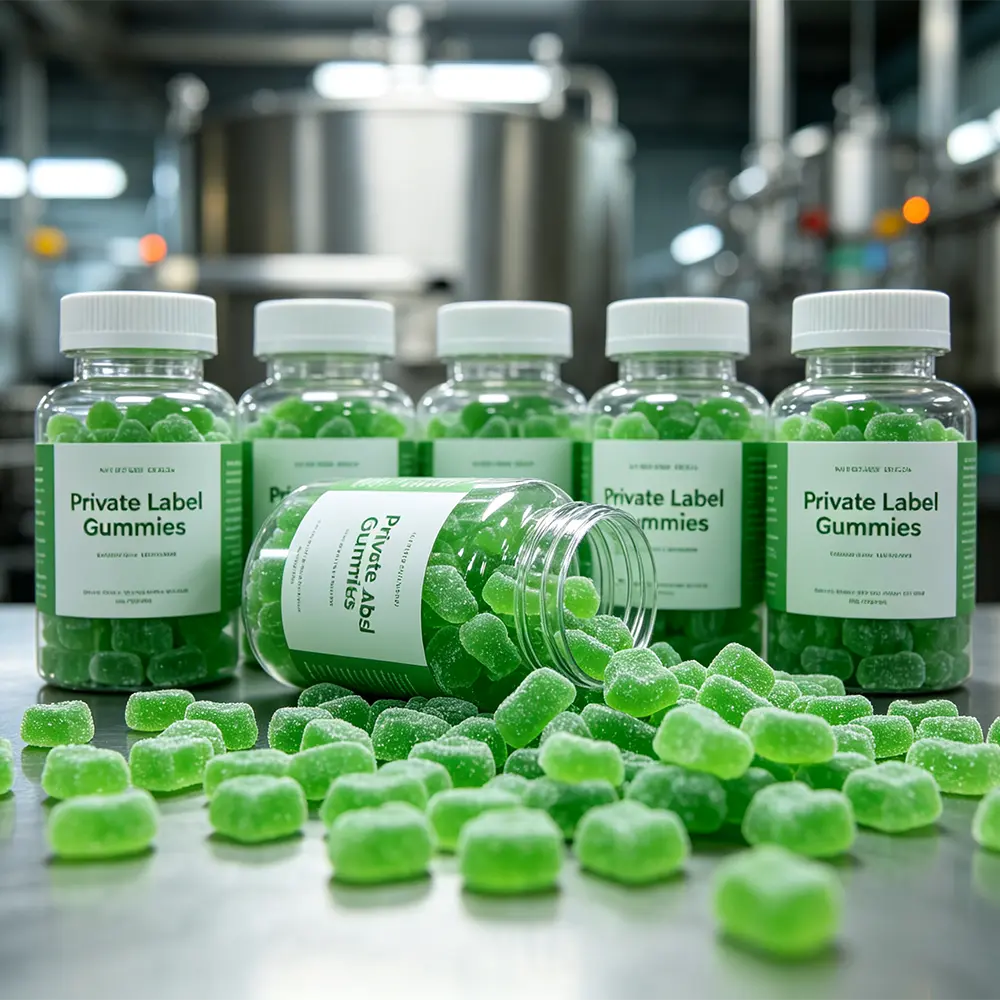
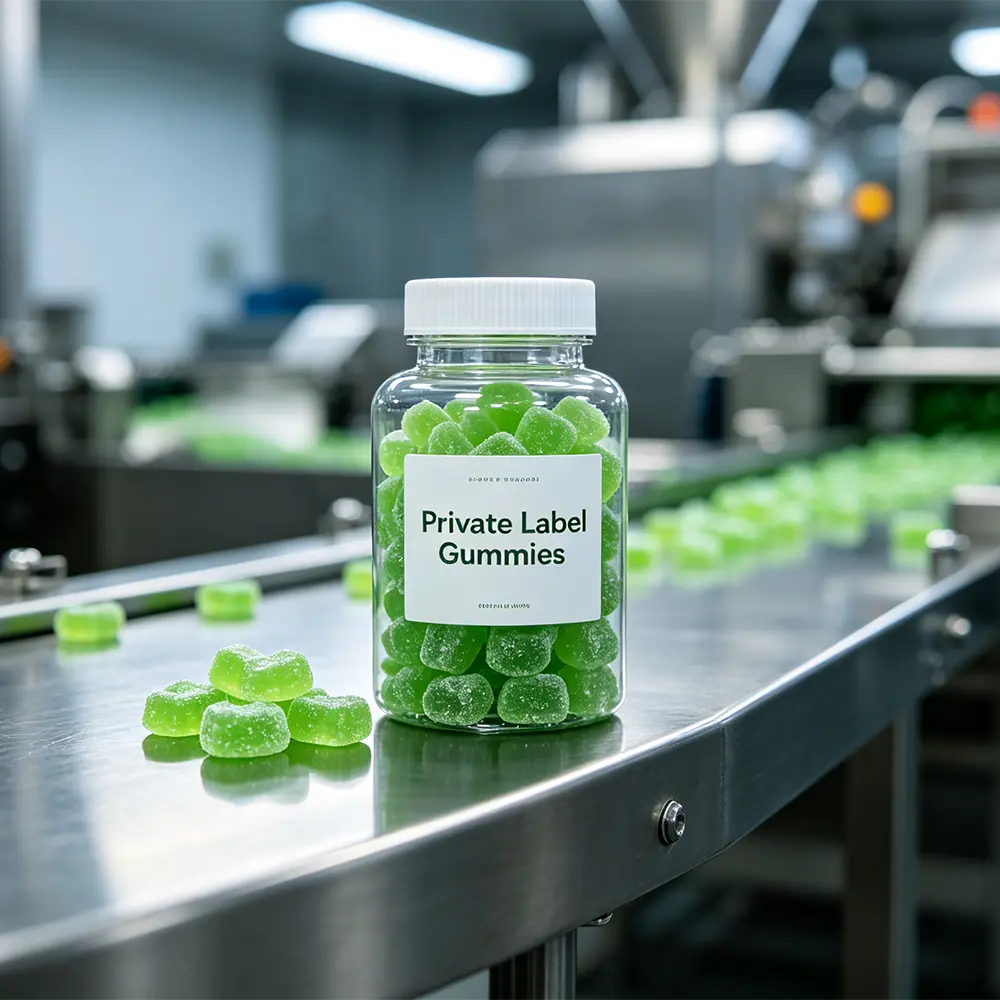
5. Private Label and Customization Flexibility: For brands pursuing private label gummies, confirm the range of available stock formulations, minimum customization thresholds, and differentiation options such as unique shapes, colors, or functional ingredient combinations. The best partners offer a tiered model: rapid-launch stock formulas for market testing, and fully custom formulations for brand differentiation.
6. Supply Chain Transparency: Request documentation on raw material sourcing, including certificates of analysis (COA) for all inputs. Traceability from raw material lot to finished product lot is essential for recall management and regulatory compliance.
Cost Structure Awareness
Gummy manufacturing costs are typically composed of raw materials (40–55%), production labor and overhead (20–30%), packaging (10–15%), and quality control/testing (5–10%). Professional factories achieve cost advantages through bulk raw material purchasing, automated production reducing labor per unit, and optimized drying processes reducing energy costs. However, the lowest per-unit price is not always the best indicator of total cost. Factors such as rejection rates, reformulation costs, compliance failures, and delivery delays can significantly increase total cost of ownership.
Conclusion
The migration of supplement brands toward professional gummy manufacturing partners reflects a maturing industry where product quality, regulatory compliance, and operational scalability have become non-negotiable competitive requirements. Gummy production is a specialized discipline that demands dedicated equipment, formulation expertise, and rigorous quality systems. Brands that partner with certified, experienced gummy manufacturers gain measurable advantages in time to market, product consistency, and regulatory confidence, while reducing the operational risks associated with non-specialized production.
FAQ
Q: What is the typical minimum order quantity for gummy contract manufacturing?
A: MOQs generally range from 30,000 to 100,000 pieces depending on the manufacturer. Some flexible operations accept smaller trial orders of 10,000–30,000 pieces for initial market testing.
Q: How long does it take to develop and produce a new gummy product?
A: Formulation development typically requires 2–4 weeks. Production, including drying, quality testing, and packaging, adds 3–5 weeks. Total timeline from concept to finished goods is generally 5–9 weeks.
Q: Can gummy manufacturers produce both gelatin-based and pectin-based products?
A: Most professional gummy factories offer both options. Pectin-based gummies are preferred for vegan, halal, and vegetarian market segments, while gelatin-based products remain popular for their texture and lower raw material cost.
Q: What certifications should a gummy manufacturer have for international distribution?
A: Essential certifications include GMP, ISO 22000, HACCP, and FDA registration. Market-specific certifications such as HALAL, KOSHER, BRC, and FSSC 22000 are required depending on target regions and consumer demographics.
Q: How do manufacturers ensure consistent active ingredient dosage in gummies?
A: Dosage consistency is achieved through precise deposit weight control (±2–3% tolerance), homogeneous mixing of active ingredients into the gummy base before depositing, and post-production assay testing to verify that each piece contains the declared amount of active ingredients.
Q: Is it possible to add heat-sensitive ingredients like probiotics to gummies?
A: Yes, but it requires specialized approaches. Probiotics can be added post-drying via coating processes, microencapsulated for heat protection, or incorporated using low-temperature pectin-based processes. Not all manufacturers have these capabilities.
About Gothink Biology Technology
Shenzhen Gothink Biotech Co., Ltd. is a leading dietary supplement manufacturer based in China, providing comprehensive OEM, ODM, CMO, and CDMO services for global health brands. The company delivers end-to-end turnkey solutions spanning product consultation, formulation development, custom design, manufacturing, packaging, and marketing support.
Gothink’s R&D team is led by co-founders and scientific advisors with postdoctoral research experience from the California Institute of Technology, Emory University, and Ohio State University. The chief scientist, a professor and doctoral advisor at the University of Science and Technology of China, has published over 30 research articles in journals including Science and PNAS, with more than 250 international citations. This scientific foundation drives advanced capabilities in synthetic biology, plant extraction, and biomanufacturing.
The manufacturing facility features a 100,000-class cleanroom with a daily output of 16 tons and an annual production capacity of 5,000 tons. A 10,000-class pharmaceutical-grade R&D laboratory supports formulation development, with approximately 2,000 new product formulations researched annually. The company holds certifications including ISO 9001, ISO 22000, HACCP, FDA, HALAL, GMP, KOSHER, BRC, FSSC 22000, PJPH, and Vegan.
Gothink specializes in custom manufacturing across multiple supplement formats, including gummy, capsule, tablet, powder, liquid, and drop production. For gummy contract manufacturing specifically, the company utilizes natural gelling agents such as pectin and carrageenan, offering full OEM/ODM customization from formula development and flavor design through molding and packaging. Product categories include vitamin gummies, herbal-infused gummies, vegan formulations, and low-sugar options.
The company supports flexible minimum order quantities, accommodating both small trial runs and full-scale bulk production. Services are structured for online sellers, retailers, established brands, and startups seeking to develop their own brand products through scalable, compliant, and professionally managed manufacturing operations. From formulation and design to regulatory compliance and export logistics, Gothink provides integrated support for brands seeking to enter or expand within the dietary supplement market through wholesale and bulk production partnerships.