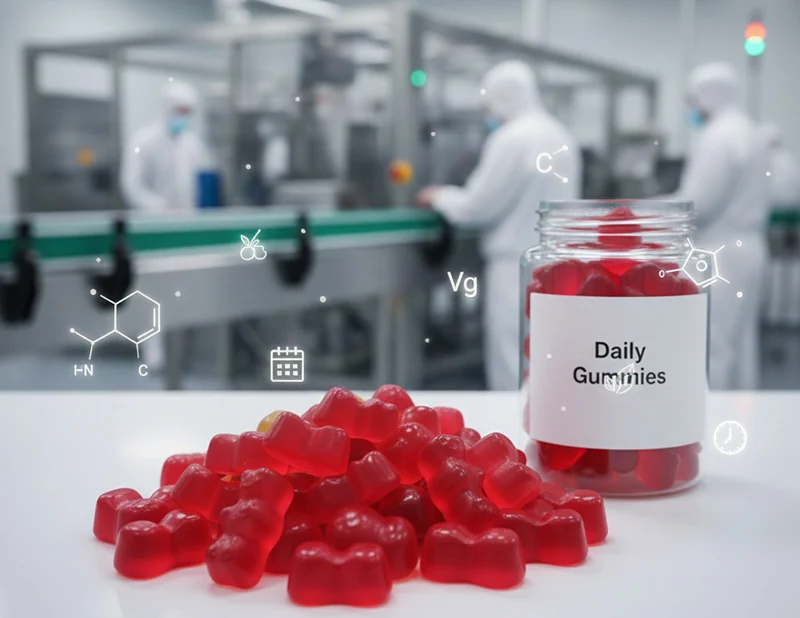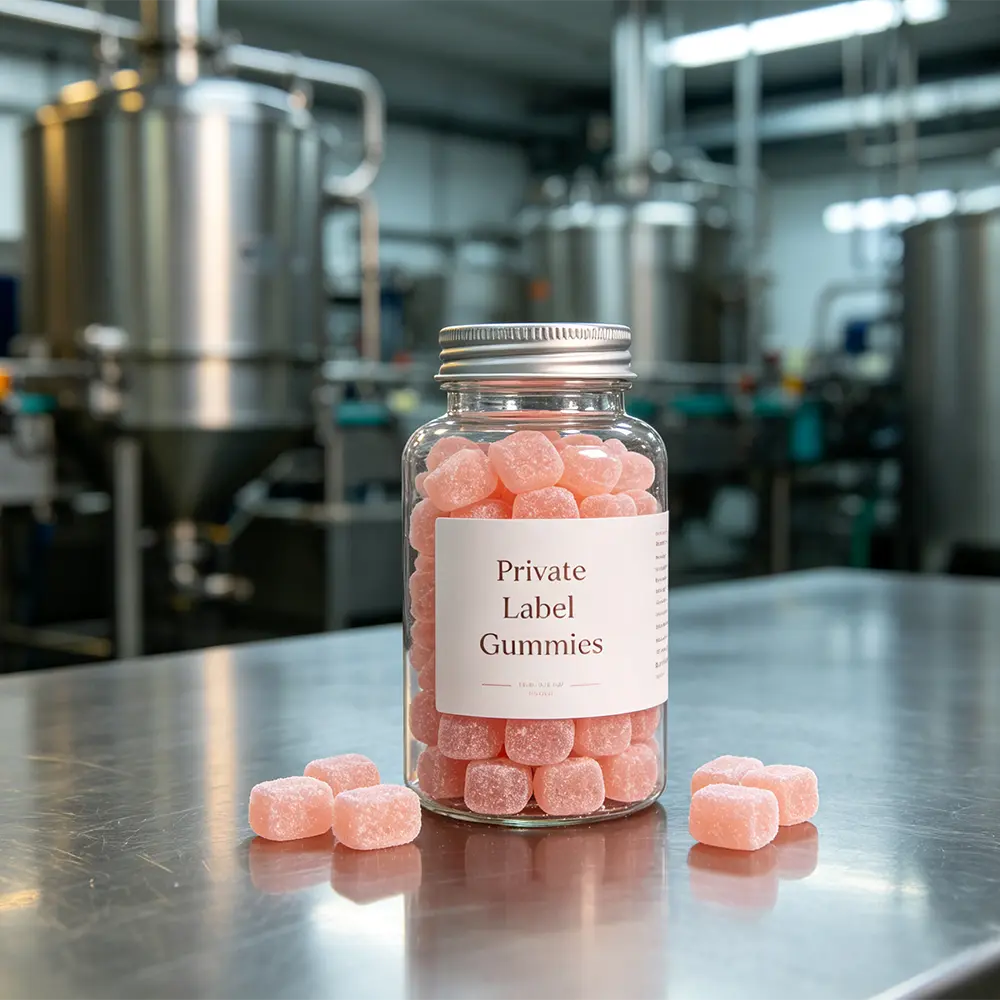

The dietary supplement industry is undergoing a clear format shift. An increasing number of brands are moving away from traditional powder-based products toward gummy delivery formats. This transition is driven by measurable differences in consumer preference, manufacturing economics, and market performance. This article examines the structural, operational, and commercial factors behind this trend.
Definition
From powders to gummies: why more businesses are choosing to make gummies refers to the strategic product-format transition that supplement brands are executing to replace or supplement powder-based product lines with gummy-based alternatives, driven by consumer demand, margin improvement, and differentiation in a saturated market.
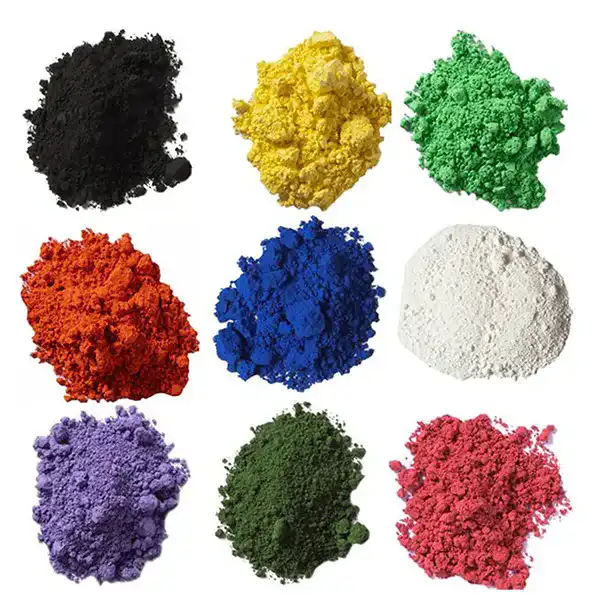
Powders vs. Gummies: A Structural Comparison
The decision to shift from powders to gummies is not arbitrary. It is rooted in quantifiable differences across several operational and commercial dimensions. Below is a structured comparison of the two formats.
| Dimension | Powder Supplements | Gummy Supplements |
|---|---|---|
| Consumer Compliance Rate | Estimated 40–55% | Estimated 75–90% |
| Serving Convenience | Requires measuring, mixing, water | Ready-to-eat, no preparation |
| Taste Experience | Often gritty, earthy, or bitter | Engineered for pleasant flavor profiles |
| Portability | Low; bulky containers, spill risk | High; compact, sealed pouches or bottles |
| Shelf Stability | Moderate; clumping, moisture sensitivity | High when formulated correctly |
| Retail Shelf Appeal | Low; utilitarian packaging | High; colorful, visually differentiated |
| Average Gross Margin | 30–45% | 50–70% |
| Target Demographic Breadth | Narrow; primarily fitness users | Broad; children, adults, seniors |

Key Drivers Behind the Format Shift
1. Consumer Compliance and Repeat Purchase Rates
Powder supplements suffer from a fundamental adherence problem. Consumers forget doses, dislike the preparation process, or abandon the product after initial purchase. Gummies eliminate preparation friction entirely. Data from multiple retail analytics firms consistently show that gummy supplements achieve repeat purchase rates 25–40% higher than equivalent powder SKUs. For businesses, this directly translates into higher customer lifetime value.
2. Premium Pricing Power
Consumers perceive gummies as a premium format. They are willing to pay 30–60% more per serving compared to powders with identical active ingredient profiles. This perception is not based on efficacy but on convenience, taste, and presentation. Brands that make gummies can therefore command higher shelf prices while maintaining competitive COGS, particularly when working with an experienced manufacturing partner.
3. Broader Demographic Reach
Powder products are largely confined to the fitness and athletic supplement segment. Gummies cross demographic boundaries. Children’s vitamins, women’s health, sleep support, immune defense, and beauty-from-within categories are all dominated by gummy formats. Brands that rely exclusively on powders are effectively limiting their addressable market.
4. Brand Differentiation on Crowded Shelves
In an e-commerce environment where thumbnail images drive click-through rates, gummies offer inherent visual advantages. Color, shape, and packaging design provide immediate differentiation. A powder tub offers minimal visual distinction. This is a structural advantage that compound over time in digital retail channels.
Technical Parameter Comparison: Gummy Production Specifications
| Parameter | Standard Specification | Notes |
|---|---|---|
| Gelling Agent Options | Pectin, Gelatin, Carrageenan | Pectin required for vegan/halal certification |
| Single Gummy Weight Range | 2g – 6g | Affects dosing precision and molding tolerance |
| Weight Variation Tolerance | ±3% – ±5% | Tighter tolerance indicates higher equipment precision |
| Moisture Content (Final Product) | 12% – 18% | Critical for shelf stability and texture |
| Water Activity (Aw) | ≤0.65 | Must be controlled to prevent microbial growth |
| Production Temperature Range | 60°C – 85°C | Heat-sensitive actives require post-addition or encapsulation |
| Molding and Drying Cycle | 18 – 48 hours | Varies by gelling agent, size, and humidity control |
| Shelf Life (Standard Conditions) | 18 – 24 months | Dependent on packaging barrier properties and Aw |
Practical Insights: Operational Considerations
Production Infrastructure Requirements
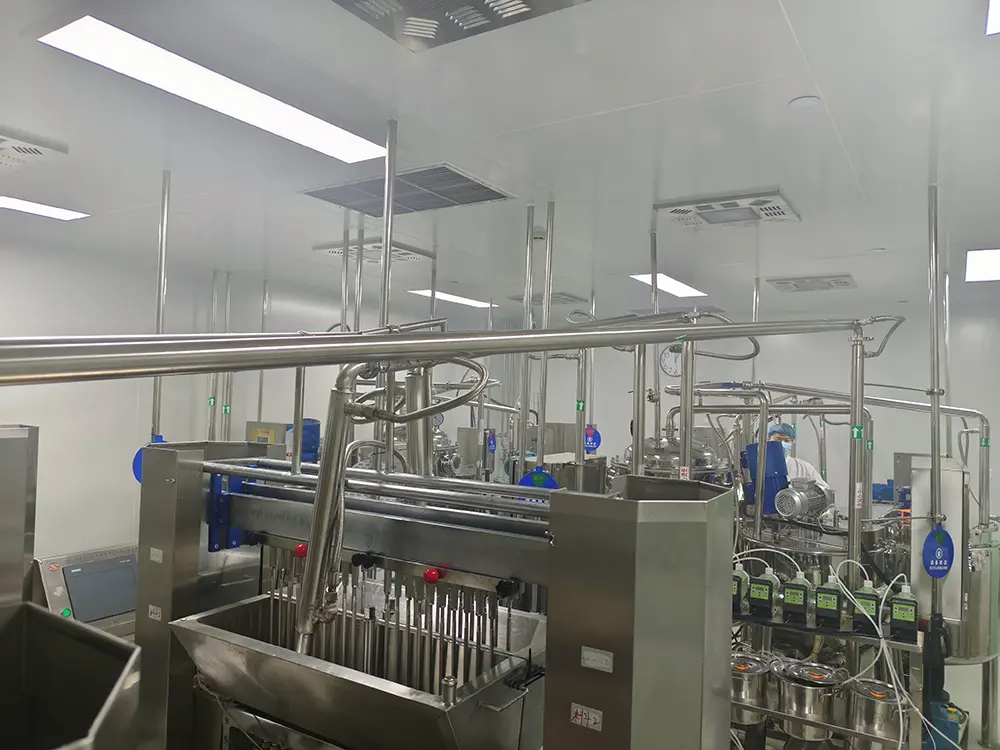
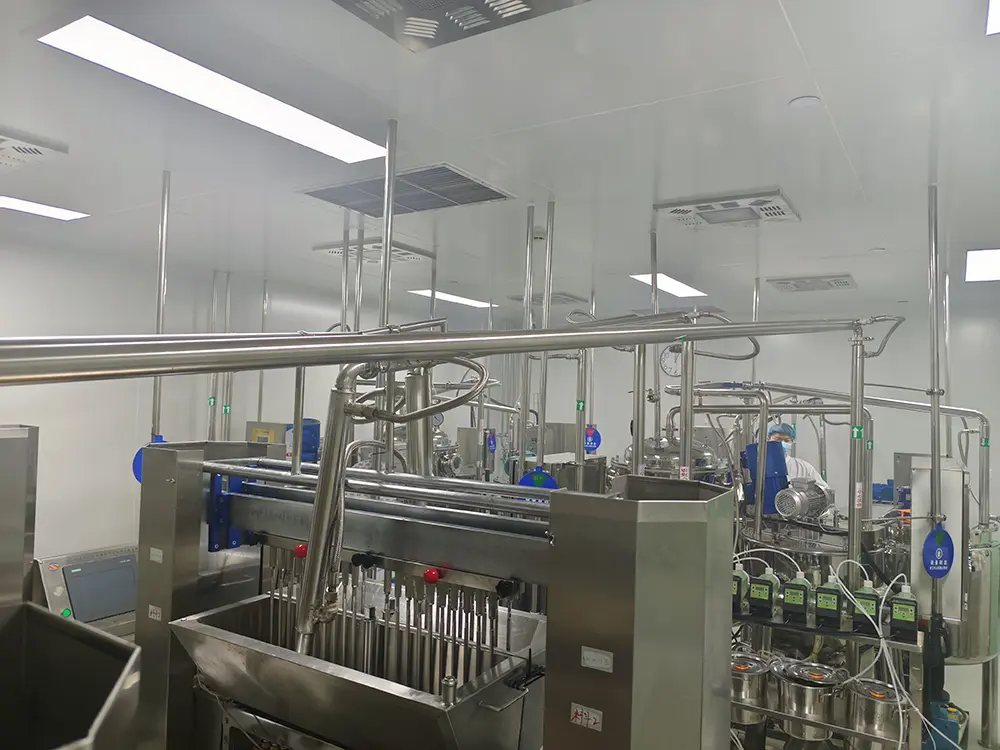
Gummy manufacturing requires specialized equipment that differs significantly from powder blending lines. A qualified Gummy Factory must deploy starch-free or starch-based depositing systems, precision temperature-controlled mixing tanks, and climate-controlled drying rooms. The capital investment for a single gummy production line typically ranges from $500,000 to $2 million, depending on automation level and output capacity. This is a primary reason most brands choose contract manufacturing rather than in-house production.
Quality Control Checkpoints
Gummy production introduces quality risks not present in powder processing. Key control points include: raw material identity verification, brix concentration measurement during cooking, depositing weight consistency, drying curve monitoring, and final product Aw testing. Each batch must pass both physicochemical and microbiological testing before release. Facilities operating under pharmaceutical GMP standards provide the most rigorous control framework.
Scalability Pathway
Brands should evaluate manufacturing partners on their ability to scale from pilot runs of 5,000–10,000 units to full production runs exceeding 1 million units without reformulation or process revalidation. Inconsistent scaling is a common failure point in gummy product launches. A facility with daily output capacity of 16 tons and annual capacity of 5,000 tons can accommodate both initial market testing and subsequent volume expansion without supply chain disruption.
Regulatory Compliance
Gummy supplements face specific regulatory scrutiny in multiple markets. In the United States, FDA regulations require that gummies meet dietary supplement cGMP requirements under 21 CFR Part 111. In the EU, gummy supplements must comply with food supplement directives and specific maximum level requirements for vitamins and minerals. Additional certifications such as HALAL, KOSHER, and Vegan are increasingly required for market access. A manufacturing partner holding ISO9001, ISO22000, HACCP, BRC, and FSSC 22000 certifications provides the broadest regulatory coverage.
B2B Decision Framework: Evaluating a Gummy Manufacturing Partner
For businesses transitioning from powders to gummies, partner selection is the most consequential decision in the product development process. The following criteria should guide evaluation:
Formulation Capability: Does the partner employ scientists with advanced credentials in biochemistry or biomanufacturing? Formulation expertise determines whether heat-sensitive or poorly bioavailable ingredients can be successfully incorporated into gummy matrices. Partners with postdoctoral-level research leadership offer measurable advantages in formulation stability and active ingredient protection.
Cleanroom Standard: Production should occur in a minimum 100,000-class cleanroom environment. Lower standards introduce contamination risk that is difficult to mitigate downstream. R&D laboratories should meet 10,000-class pharmaceutical-grade standards for formulation development and stability testing.
Gelling Agent Flexibility: The partner should offer both gelatin and pectin-based gummy formulations. Pectin capability is essential for brands targeting vegan, halal, or vegetarian market segments, which represent the fastest-growing consumer cohort in the gummy category.
MOQ Structure: Minimum order quantities should align with the brand’s market entry strategy. Flexible MOQ structures that accommodate trial runs before committing to large-volume production reduce initial capital risk. A partner supporting both small-batch validation and high-volume scale-up provides strategic flexibility.
End-to-End Service Scope: The ideal partner provides integrated services spanning formulation development, raw material procurement, production, quality testing, packaging design, and export logistics. Fragmented supply chains increase lead times, communication overhead, and quality control gaps.
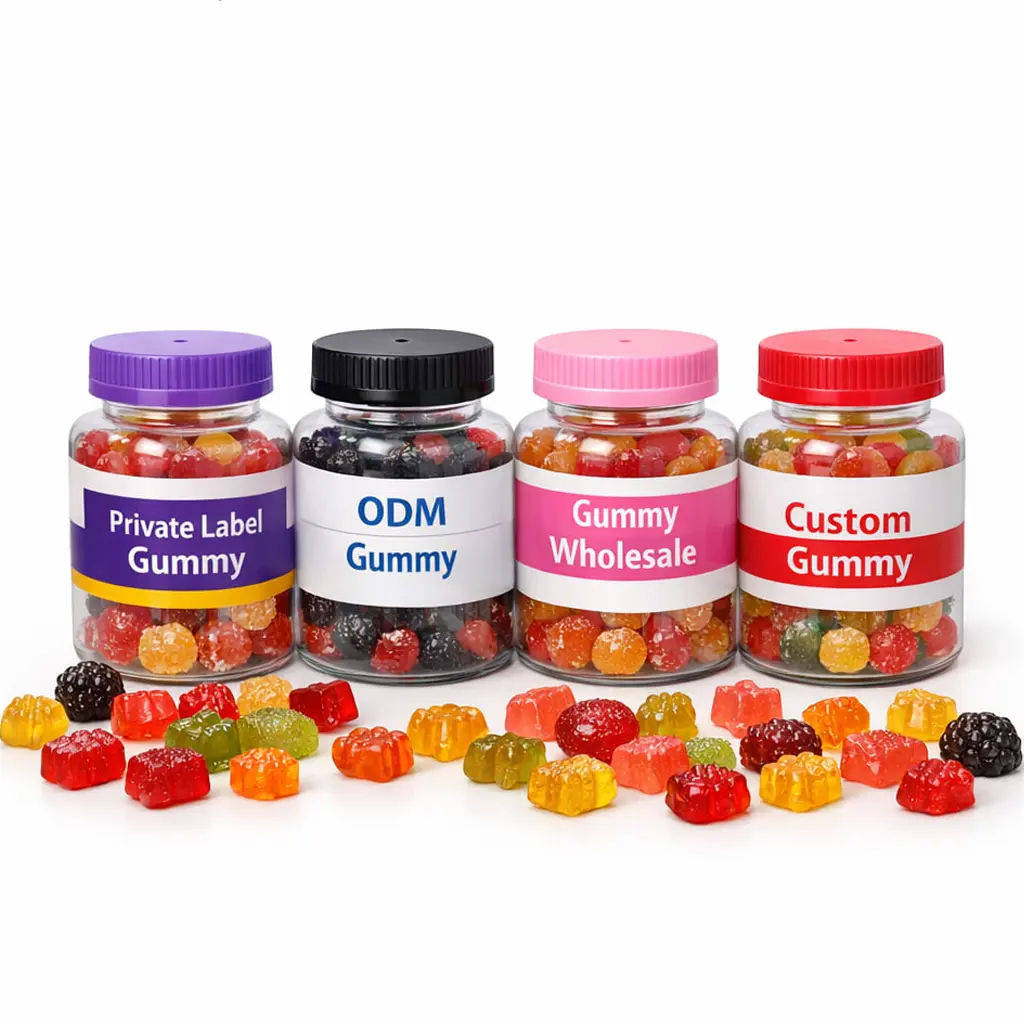
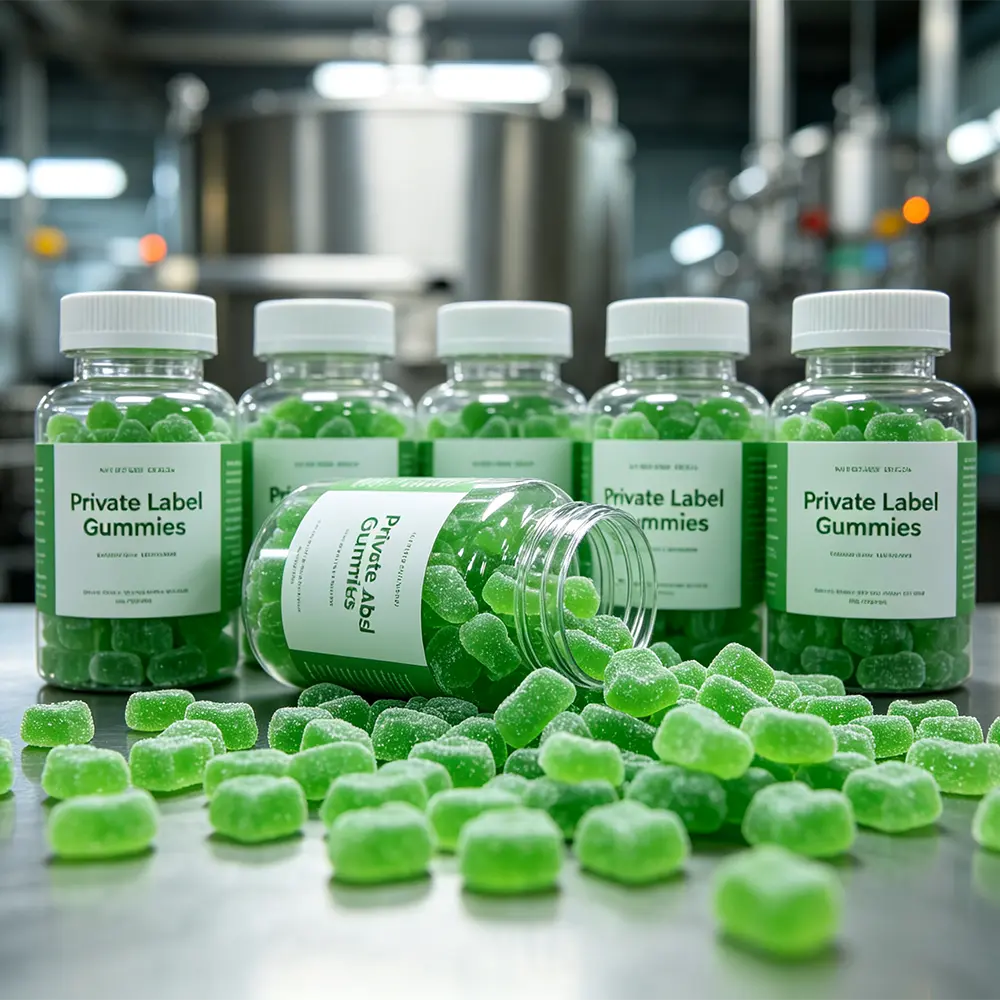
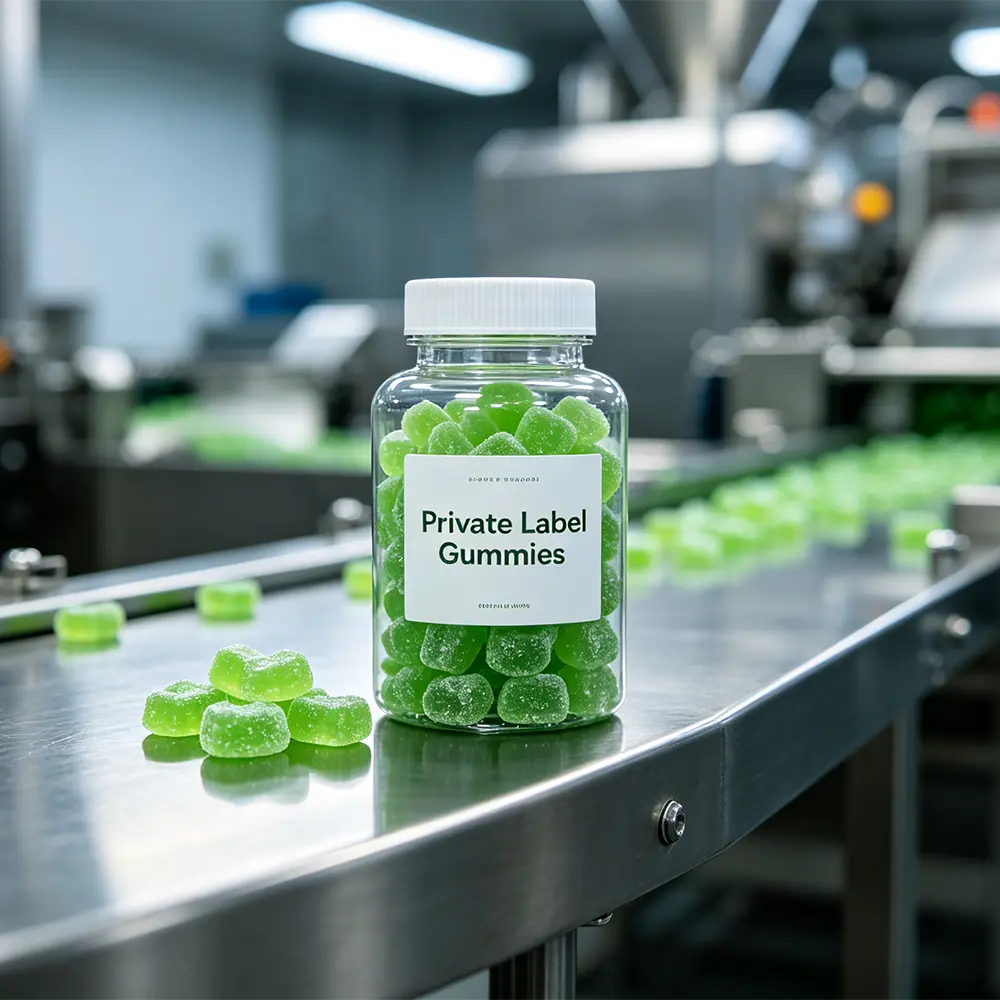
Private Label and Custom Formulation Options: Brands entering the gummy market may initially prefer private label gummies using proven formulations to reduce time-to-market, then transition to custom formulations as brand equity builds. A manufacturing partner offering both pathways enables this strategic evolution without changing suppliers.
Conclusion
The shift from powders to gummies is a data-driven business decision supported by superior consumer compliance, higher margins, broader demographic reach, and stronger retail differentiation. However, realizing these advantages requires selecting a manufacturing partner with the technical infrastructure, formulation expertise, and quality systems necessary to produce stable, compliant gummy products at scale. Brands that approach this transition with rigorous partner evaluation and clear market positioning are best positioned to capture the growth opportunity this format represents.
Frequently Asked Questions
Why are gummy supplements more profitable than powder supplements?
Gummy supplements command 30–60% higher retail pricing than equivalent powder formulations while maintaining comparable or only marginally higher production costs, resulting in gross margins of 50–70% versus 30–45% for powders.
Can heat-sensitive ingredients be used in gummy production?
Yes, but they require specialized handling. Heat-sensitive actives can be added post-cooking at reduced temperatures, microencapsulated for thermal protection, or applied as a post-molding coating, depending on the ingredient’s stability profile.
What is the minimum production volume for a gummy supplement launch?
Minimum order quantities vary by manufacturer. Flexible contract manufacturers typically support trial runs of 5,000–10,000 units for market validation, with scalable production up to millions of units per batch for established products.
Are pectin gummies functionally equivalent to gelatin gummies?
Pectin and gelatin gummies can deliver equivalent active ingredient dosing, but they differ in texture, setting mechanism, and drying requirements. Pectin gummies have a softer, more elastic texture and are necessary for vegan, vegetarian, and halal product positioning.
How long does gummy product development take from concept to shelf?
Standard timelines range from 8 to 16 weeks, depending on formulation complexity, stability testing requirements, packaging procurement, and regulatory review. Custom formulations with novel ingredients may require additional stability validation time.
What certifications should a gummy manufacturing facility hold?
Core certifications include GMP, ISO9001, ISO22000, HACCP, and FDA registration. Market-specific certifications such as HALAL, KOSHER, Vegan, BRC, and FSSC 22000 provide broader commercial access and demonstrate systematic quality management.
This article is provided by Gothink Biology, a globally recognized dietary supplement manufacturer, offering.
About Shenzhen Gothink Biotech Co., Ltd.
Shenzhen Gothink Biotech Co., Ltd. is a global leading nutrition supplement supplier and dietary supplement manufacturer specializing in OEM, ODM, CMO, and CDMO services for health and wellness brands worldwide. With extensive industry expertise and international certifications including ISO9001, ISO22000, HACCP, FDA, HALAL, GMP, KOSHER, BRC, FSSC 22000, PJPH, and Vegan, we deliver high‑quality custom formulation, contract manufacturing, and wholesale solutions for B2B clients across global markets.
For more information, please visit our official website: https://gothinkbio.com/ or contact our expert team.