
Europe’s recent heatwave—temperatures exceeding 40°C across multiple countries—triggered a sudden surge in air‑conditioner demand. Yet consumers faced empty shelves, long wait times, and installation restrictions. This was not merely a climate event; it was a supply chain stress test.
China passed that test. Europe did not.
The reason is structural:
- Europe’s manufacturing is fragmented, policy‑constrained, and dependent on imported components.
- China’s manufacturing is centralized, vertically integrated, and capable of rapid scale‑up.
This same structural advantage applies not only to air conditioners but also to gummy manufacturing and the broader nutraceutical sector.
The Hidden Parallel: Air Conditioners and Gummies Share the Same Supply Chain Logic
At first glance, HVAC systems and functional gummies seem unrelated. But from a B2B supply chain perspective, they rely on the same foundational capabilities:
1. Full‑stack manufacturing ecosystems
China produces:
- Air‑conditioner compressors, motors, PCBs, copper tubing
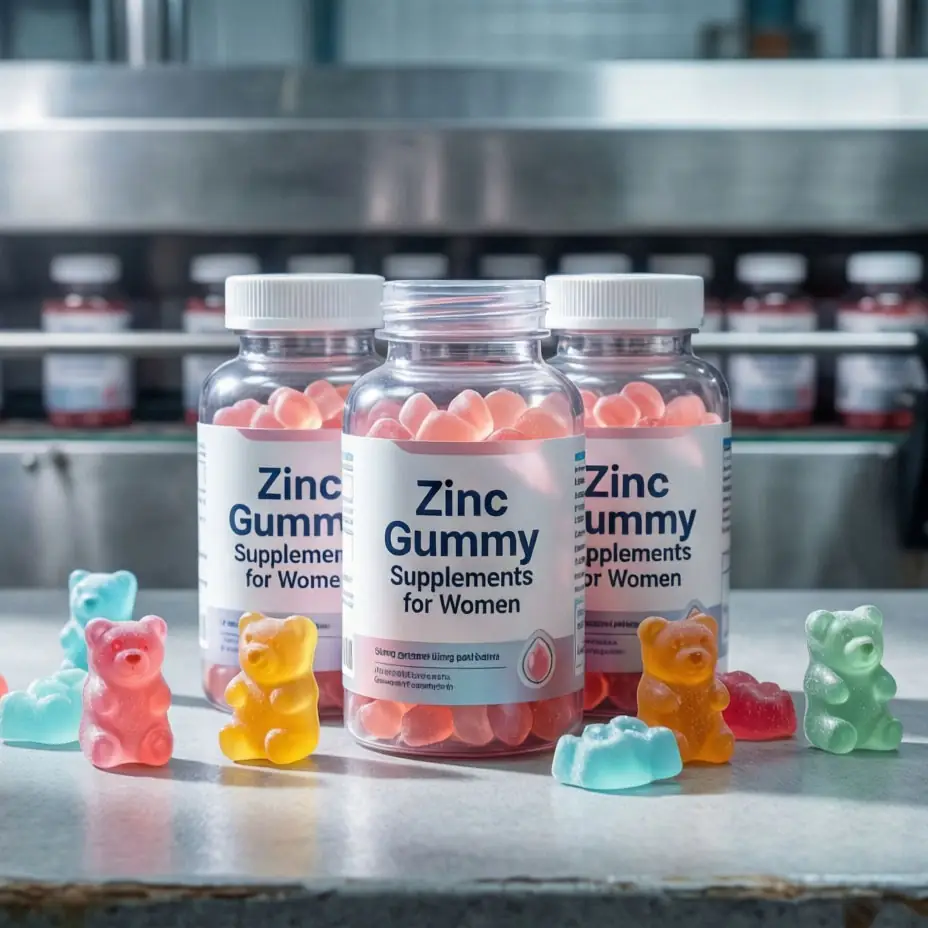
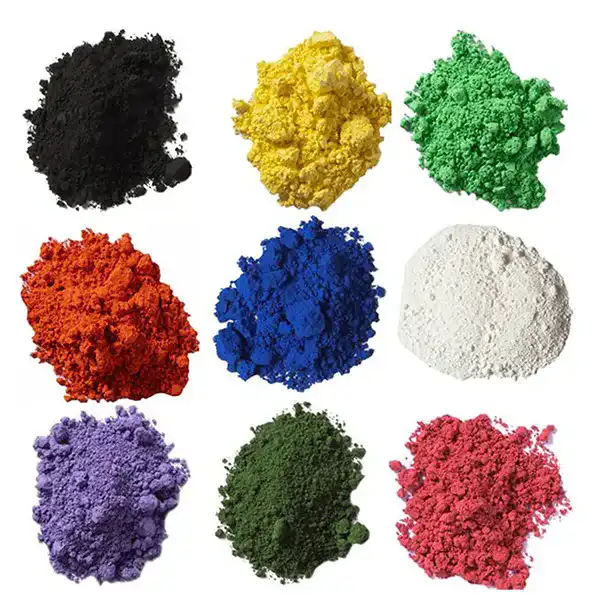
- Gummy manufacturing essentials: gelatin, pectin, active ingredients, flavors, colors, packaging
Europe imports most of these inputs. China manufactures them domestically.
2. High‑density industrial clusters
China’s industrial clusters—Pearl River Delta, Yangtze River Delta, Shandong Peninsula—create:
- 2–3 hour supply radiuses
- Rapid procurement cycles
- Lower cost of coordination
This is why Chinese factories can shift from standard production to emergency production within 48–72 hours, whether it’s air conditioners or custom gummy manufacturer orders.
3. Scalable contract manufacturing
China’s contract manufacturing ecosystem is unmatched:
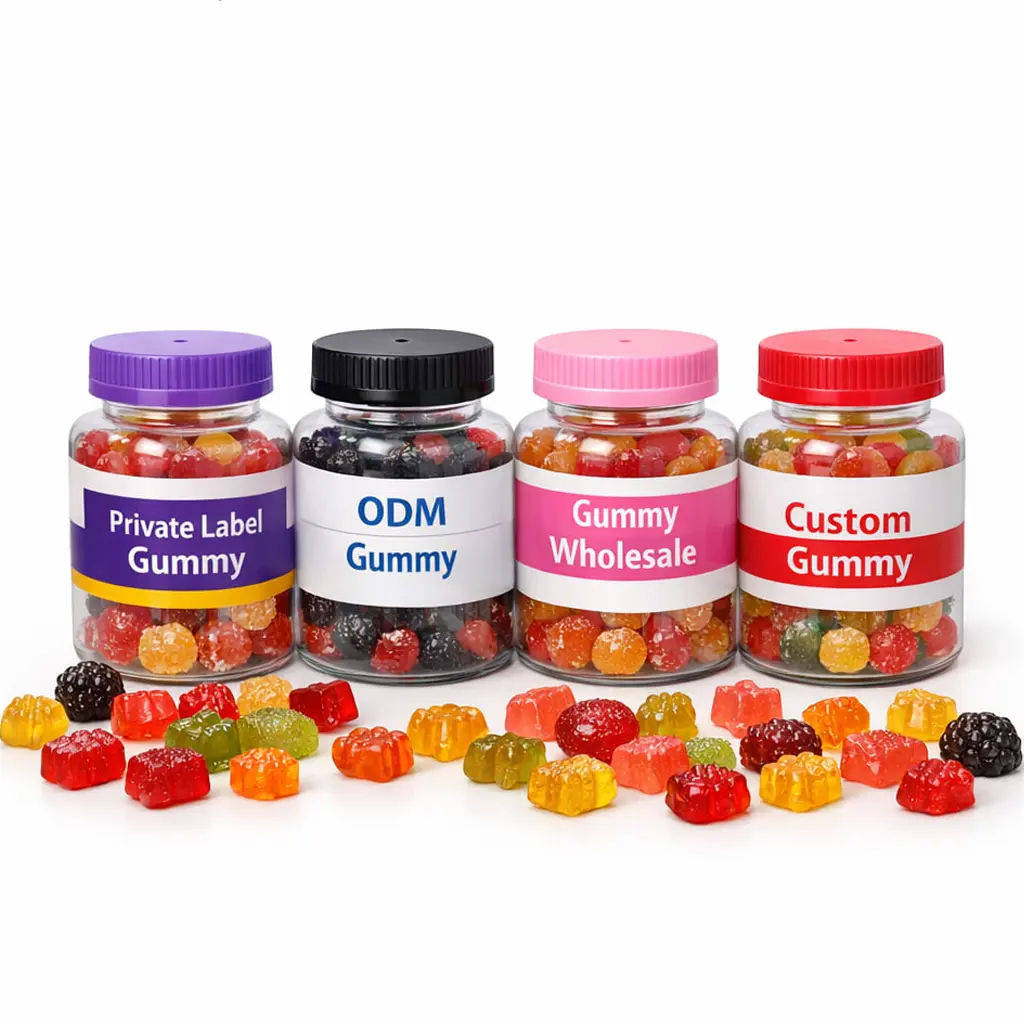
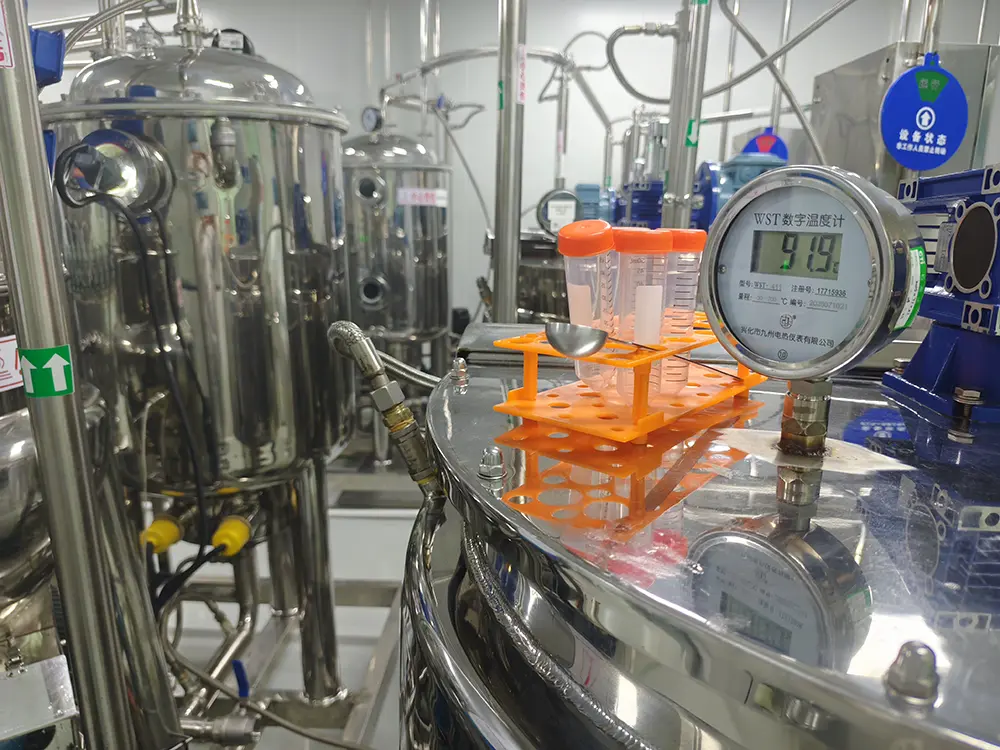
- Gummy Contract Manufacturing facilities with 10–50 production lines
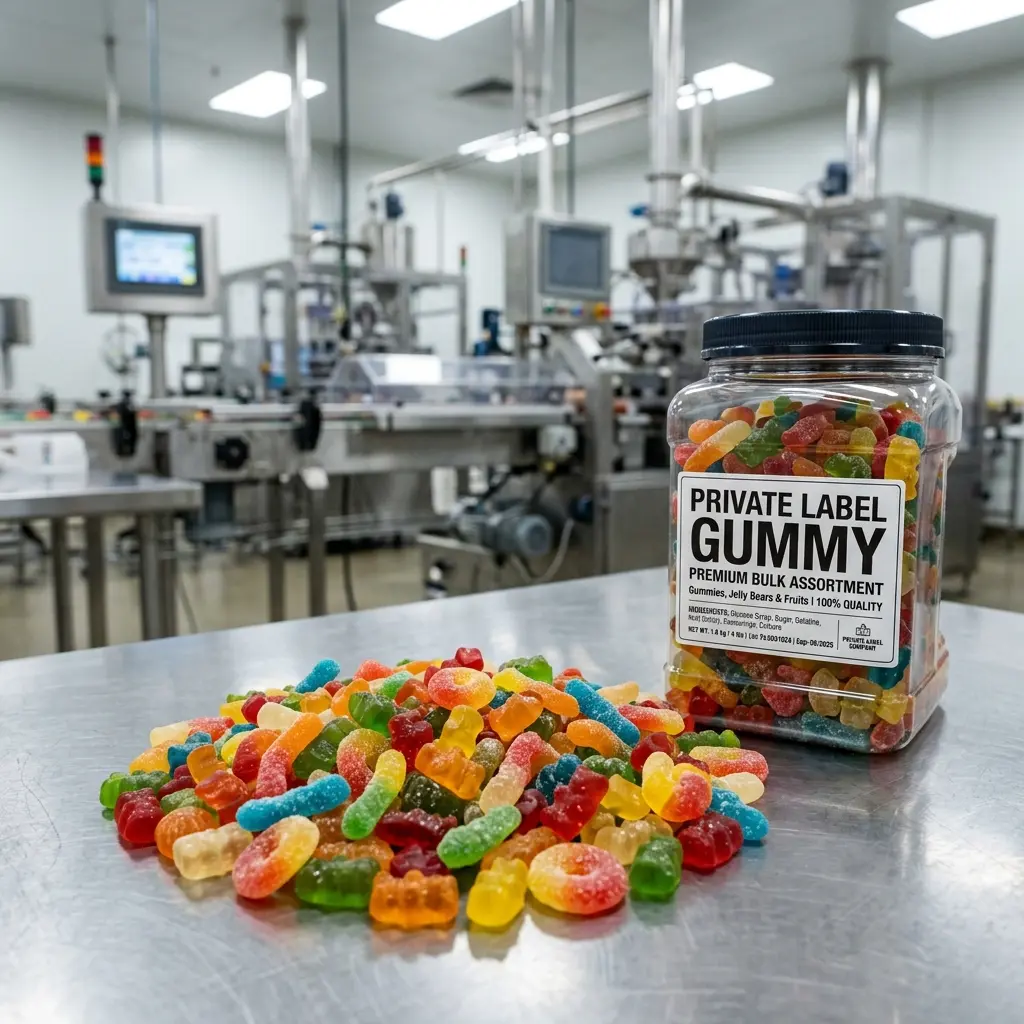
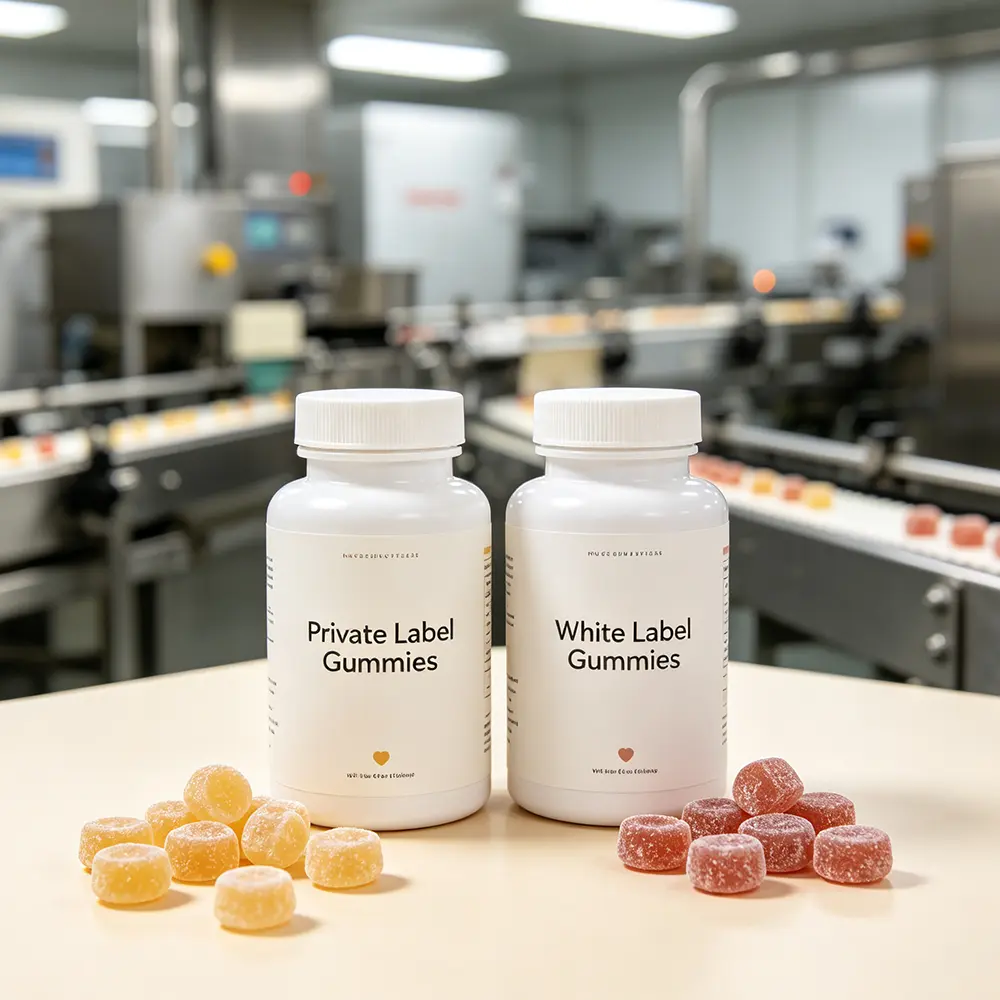
- Private label gummy factories capable of 5–100 tons per month
- Flexible MOQs for emerging brands
- Integrated R&D + formulation + packaging services
Europe’s nutraceutical factories are smaller, slower, and more expensive.
4. Logistics that actually move
China’s logistics backbone includes:
- Cross‑border e‑commerce fulfillment
- Global freight networks
- China–Europe rail (for temperature‑sensitive nutraceuticals)
- Port capacity that dwarfs Europe’s fragmented system
This is why Chinese manufacturers can deliver both air conditioners and gummies even during global disruptions.
What This Means for Global Brands and B2B Buyers
1. Reliability under stress
When Europe faces extreme weather, supply chains break. When China faces extreme weather, supply chains adapt.
This reliability is the core value proposition for brands sourcing from:
- make gummies suppliers
- gummy manufacturing partners
- Gummy Contract Manufacturing providers
- custom gummy manufacturer facilities
- private label gummy producers
2. Faster product cycles
Chinese gummy manufacturers routinely achieve:
- 2–4 weeks from formulation to pilot batch
- 4–6 weeks to full‑scale production
- 30–50% lower cost vs. EU/US manufacturing
This speed is impossible in Europe’s regulatory and manufacturing environment.
3. Vertical integration reduces risk
From raw materials to finished goods, China’s vertical integration means:
- Lower exposure to global supply shocks
- Stable pricing
- Predictable lead times
- Easier compliance and documentation
For B2B buyers, this translates into fewer disruptions and more consistent inventory.
Why Gummies Are the Next Global Category to Benefit from China’s Supply Chain Strength
The global functional gummy market is growing at double‑digit rates. But the real story is this:
The brands that scale fastest are the ones that leverage China’s manufacturing ecosystem.
Because China offers:
- Full‑service Gummy Contract Manufacturing
- Custom formulations for custom gummy manufacturer projects
- Turnkey solutions for private label gummy brands
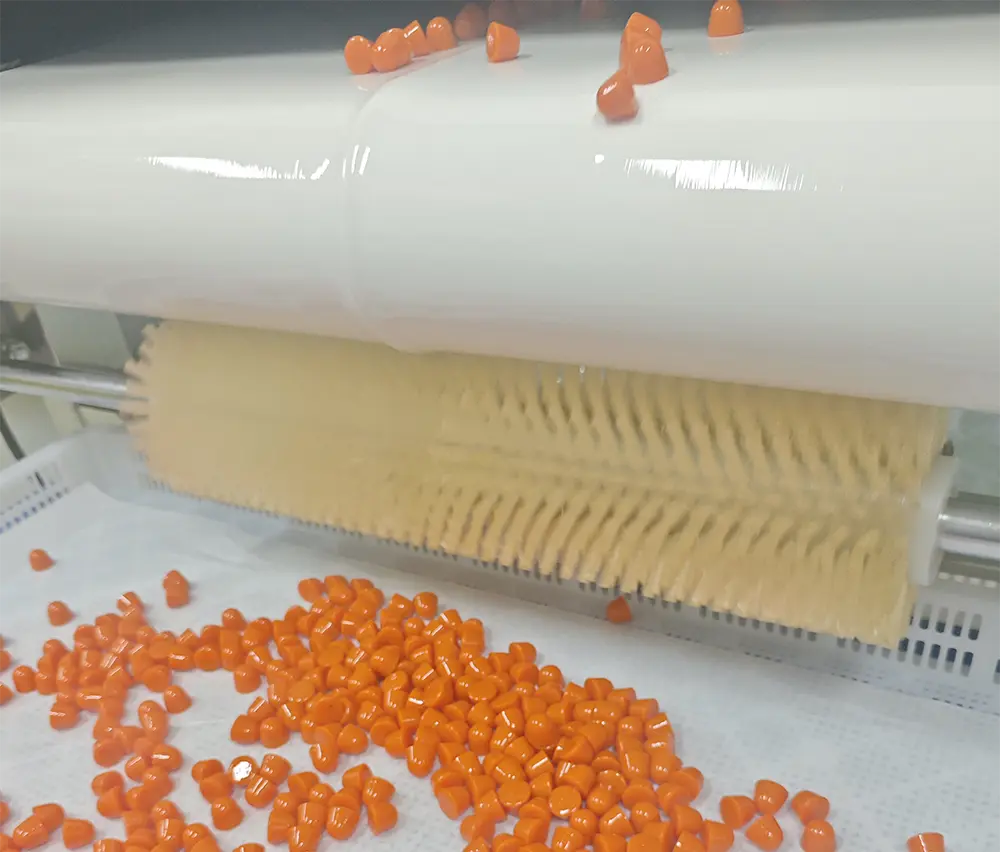
- High‑capacity gummy manufacturing lines
- Competitive pricing for make gummies production
In other words, China is not just a supplier—it is the backbone of global nutraceutical growth.
Final Insight for B2B Decision‑Makers
Europe’s heatwave revealed a truth that applies across industries:
Supply chain resilience is not built during a crisis—it is built into the system long before the crisis happens.
China’s manufacturing ecosystem is resilient because it is complete. Europe’s is fragile because it is fragmented.
This is why China can simultaneously supply:
- Millions of air conditioners during a heatwave
- Millions of gummies for global nutraceutical brands
And it is why B2B buyers increasingly choose Chinese partners for gummy manufacturing, Gummy Contract Manufacturing, custom gummy manufacturer, and private label gummy projects.